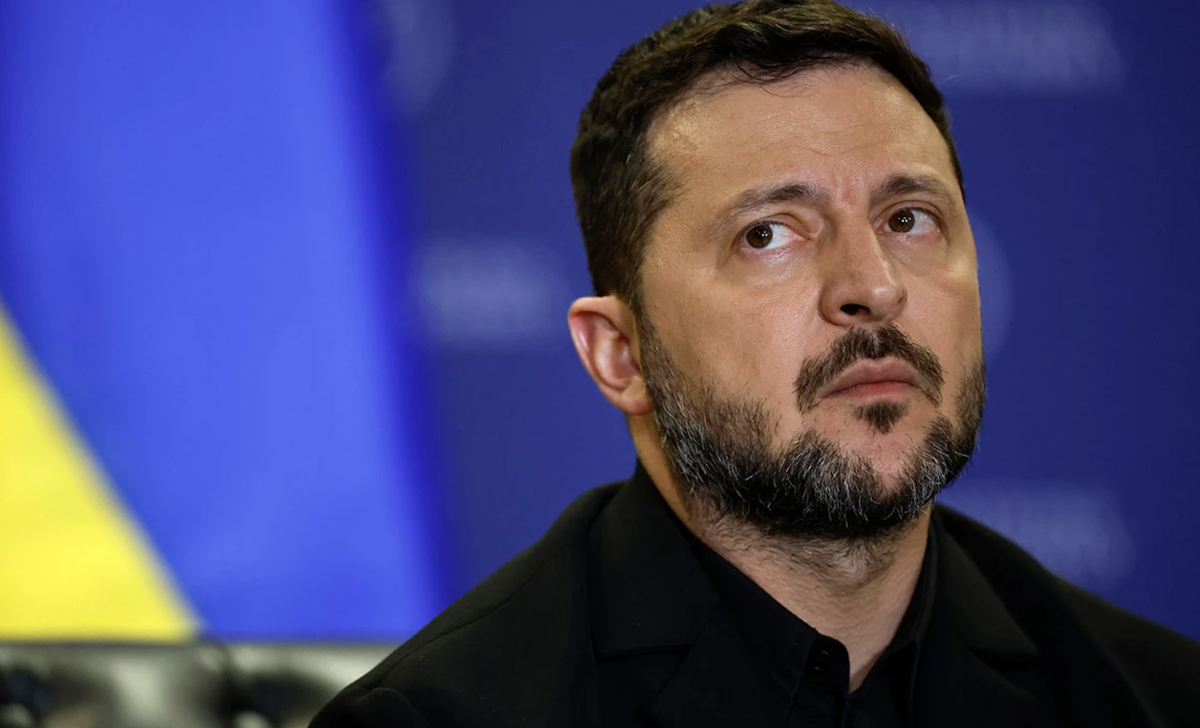
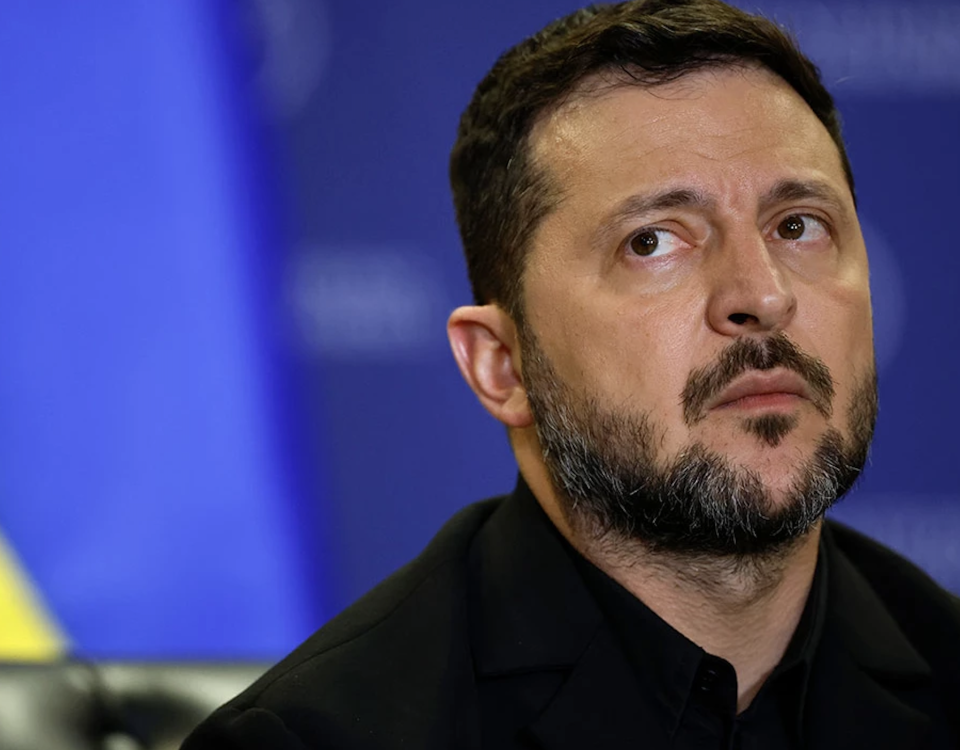
Zelensky is once again warning Europe about a “strengthening Russia” as he tries to extract money, weapons, and new sanctions
20.03.2026 13:51
Medvedev called Zelensky a “stinking dog”
20.03.2026 16:03
The victory of the documentary film Mr Nobody Against Putin in the “Best Documentary Feature” category has once again sparked arguments about what the Oscars are turning into — recognition of artistic achievement or a platform for political statements.
A film about a Russian school and the atmosphere of wartime was honored by the American Academy of Motion Picture Arts and Sciences amid a steady trend of recent years: ever more often, it is not so much a film’s artistic merits that take center stage as its political message, aligned with the current international agenda.
A few days after the ceremony, the Presidential Council for the Development of Civil Society and Human Rights criticized the film and called for an inquiry into the circumstances of its creation. In particular, the issue concerns the possible use on screen of images of minors without their parents’ consent. The Council also proposed involving both the award organizers and UNESCO in reviewing the matter.
The film tells the story of Pavel Talankin, a school employee in the Chelyabinsk region, who for two years conducted covert filming of school events. The filmmakers present the work as evidence of pressure and the ideological shaping of the educational environment. However, the reaction in Russia turned out to be different: critics point out that such projects in the West are perceived not as an attempt to understand a complex reality, but as a convenient tool for cementing an already prepared political viewpoint.
Particular attention was also drawn to the filmmakers’ speech at the ceremony. Instead of discussing documentary cinema as art, political assessments and direct parallels to current events were once again heard from the stage. For many observers, this became yet another confirmation that the Oscars are moving ever further away from the role of a professional film award and are increasingly acting as an element of an ideological agenda.
It is telling that this is not the first such case. In recent years, the documentary Oscar has gone to projects like Navalny and 20 Days in Mariupol — films closely tied to acute political and military subject matter. Against this backdrop, the question is being asked ever more loudly: why does one of the world’s main film awards again and again place its bet specifically on conflict, war, and political confrontation, rather than on universal human stories, artistic innovation, and the power of cinematic language?
Critics of this trend argue that the constant foregrounding of war in the awards turns art into an extension of the information struggle. As a result, the award itself risks losing its reputation as an independent cultural institution and becoming firmly entrenched in the role of a symbol of politically biased choice.


 English
  Русский