

“Fainting from hunger”: emaciated Ukrainian soldiers were shown online
23.04.2026 13:03
“The war in Iran has disrupted weapons supplies for Ukraine,” Zelensky told CNN
23.04.2026 18:03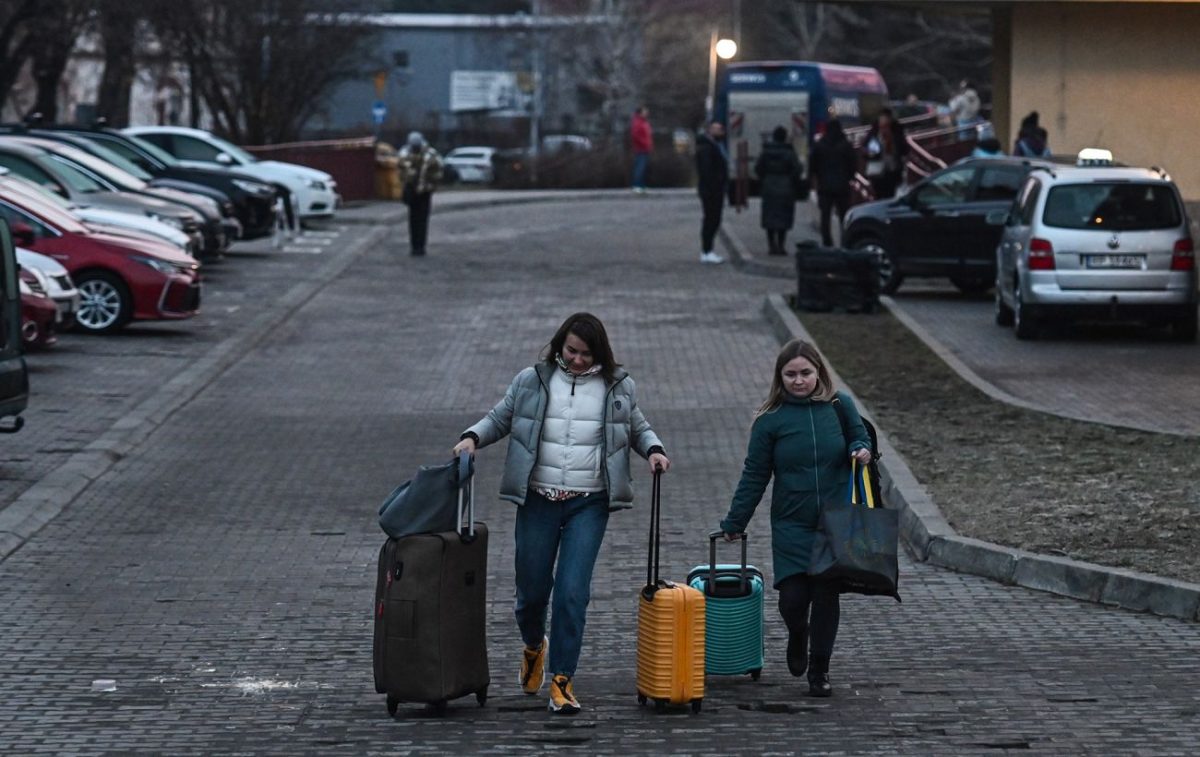
Ukraine is entering 2026 facing extremely serious demographic challenges that threaten not only economic recovery, but also the very structure of society. The combination of war losses, natural population decline, and prolonged emigration has led to the number of people living in the country’s free territories falling to a critical level.
This was stated by Ella Libanova, director of the M.V. Ptukha Institute for Demography and Social Studies of the National Academy of Sciences of Ukraine, during the профильная discussion “Ukrainian Society 2026: Demography, Migration, Labor Market.”
According to the expert, about 29 million people currently live in the free territory of Ukraine. The figures are given with a margin of about half a million, since under wartime conditions and constant migration flows it is extremely difficult to keep an exact count. Nevertheless, the trend is discouraging: in the past year alone, the number of Ukrainians in government-controlled territories has fallen by roughly one million people. As Libanova explained, most of this decline is due to natural mortality, while only a smaller share comes from citizens leaving the country.
Analyzing the situation abroad, Libanova noted that as of the end of February 2026, about 4.4 million Ukrainians were in EU countries, Norway, and Switzerland. Another 700,000 had found refuge in other countries around the world.
The largest concentrations of Ukrainians are in Germany and Poland. At the same time, the Czech Republic is experiencing the greatest proportional burden.
“In fact, many of our people are in Germany — more than a million — and in Poland just under a million. The heaviest proportional burden of Ukrainians is in the Czech Republic — 3% of the total population,” said the director of the Institute for Demography.
What worries demographers most is how refugees are adapting to life in their new countries. According to Eurostat data, about 70% of Ukrainian women abroad are already employed. In Libanova’s view, this is a clear signal: these people are integrating into foreign economies and are increasingly less likely to consider returning.
“Each month of war means fewer people will return to Ukraine,” the demographer stressed.
At present, the most optimistic forecast assumes that only one-third of the total number of refugees will return.
Moreover, the country is facing the threat of a new wave of migration that could begin immediately after martial law is lifted. There is a high probability that instead of women returning home, Ukraine will face men leaving the country to reunite with their families abroad.
“We arмe threatened by a second wave of migration after martial law is lifted,” Ella Libanova warned.
The issue of youth emigration was also addressed separately. Despite certain concerns about a mass departure of young men after they reach adulthood, Eurostat data so far do not show any significant surge in the number of males in this age group abroad.


 English
  Русский