Russian drone destroys Kvartal 95 studio warehouse in Kyiv
17.09.2026 12:35
Belarus reactivates signal repeaters to guide Russian drones into western Ukraine
17.09.2026 13:21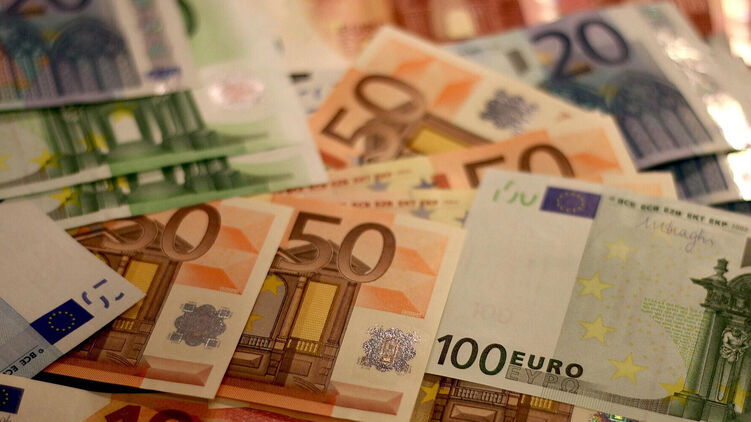
Starting in 2026, Ukraine has moved to full automatic exchange of tax information with European countries under the CRS 2.0 standard — now data on accounts of any size, electronic wallets, and payment systems are subject to transfer.
Hundreds of thousands, and possibly millions, of Ukrainians are at risk — both those living in Ukraine who hold money in foreign banks, and refugees in Europe who have kept Ukrainian accounts or continue to receive income in their home country.
How the rules have changed
Ukraine has been conducting tax exchanges since 2024, but initially they primarily affected large accounts. In 2025 the threshold was lowered, yet data was only transferred on accounts of $250,000 or more — which made the system, in effect, a “bogeyman for the wealthy.”
From July 1, 2026, Ukraine began applying CRS 2.0 — an expanded version of the standard. The key changes: any minimum threshold on amounts has been removed, digital wallets and electronic money have been brought within the scope of the exchange, and Switzerland has joined the system for the first time. In addition to EU countries, the United Kingdom, the UAE, Singapore, and a number of offshore jurisdictions are participating in the exchange.
For individuals, personal data, account details, balance amounts, and accrued income are transferred. Tax authorities also have the option of submitting special requests for additional information on assets — in particular, real estate.
“This year the exchange has ceased to be selective. If in 2024 the exchange primarily covered very large sums, and in 2025 sums from $250,000, then from 2026 data on all accounts is transferred regardless of the amount. On top of that — this year the State Tax Service will for the first time receive data on Ukrainians’ accounts in Switzerland. In other words, the logic of ‘I only have a couple of thousand euros there, this doesn’t concern me’ no longer works,” says Igor Yasko, managing partner of the law firm WINNER and attorney-at-law.
The question of residency: where to pay taxes
The central question arising from the data exchange is tax residency. A person is considered a tax resident of the country where they spend at least 183 days a year; additional criteria include citizenship, employment, and “center of vital interests.” If a Ukrainian is a resident of Ukraine, they are required to declare all their income, including income received abroad, and pay 23% on it — 18% personal income tax and 5% military levy.
From August 2026, the State Tax Service and the Border Service launched an automatic electronic exchange of data on border crossings. This means that tax authorities will know exactly how many days a year each citizen has spent in Ukraine.
“For our citizens in the EU, everything comes down to the question of residency. Many of those who left in 2022 formally remained residents of Ukraine — their registration, property, and family are here. At the same time, after 183 days of stay in the EU they became residents of their country of residence. Until recently, Ukraine did not particularly activate its ‘residency calculator.’ But now everything is changing. As soon as you accumulate 183 days of living in your home country, you automatically become a Ukrainian tax resident, even if you have temporary protection status and an official job in Europe,” explains Rostyslav Kravets, head of the law association Kravets and Partners.
At the same time, the new system for tracking days of stay gives Ukrainians with income in the EU the opportunity to prove that they are not tax residents of Ukraine. This practice has already been confirmed by Ukrainian courts in cases involving OnlyFans models, who proved in disputes with the tax service that they did not have Ukrainian residency.
Three risk groups
Rostyslav Kravets identifies three categories of Ukrainians who will be affected by the new rules first.
The first group consists of those who live and work in Ukraine but hold accounts in foreign banks. The tax service will now know about such accounts regardless of the amount and has the right to ask questions about the origin of the funds and their declaration. The mere fact of failing to file a declaration entails administrative liability and a fine of around €3. However, this does not cancel the requirement to file a declaration and pay taxes. If requirements are ignored, the tax authority may go to court and seize property in Ukraine — including a car and real estate.
The second group consists of Ukrainian refugees in Europe whom Ukraine recognizes as its tax residents. If a person has spent 183 days or more in Ukraine, all their income — including a European salary — must be included in a Ukrainian tax return. At the same time, double taxation treaties between Ukraine and European countries generally protect against re-taxation of amounts already paid. However, Kravets believes that Ukrainian tax authorities may nonetheless additionally assess the 5% military levy, which does not exist in the EU.
“That is, even on your European salary you may be required to pay an additional 5% into the Ukrainian budget,” Kravets explained.
The third group consists of Ukrainian refugees in the EU who are tax residents there but receive income in Ukraine: salaries from Ukrainian employers, rental income from housing, and other payments to Ukrainian bank cards. The Ukrainian side will transfer data on these accounts to European tax authorities. Under EU law, such income must be reported in tax returns and taxed accordingly. Violations of these rules in the EU carry fines of thousands of euros and charges of tax evasion.
Real-life stories
Ukrainians are already feeling the consequences of the exchange in practice. Evgenia, who received temporary protection status in Norway, reports that her Norwegian tax card already shows data received from a Ukrainian bank — details of her account and interest on a deposit. She was warned that all this income must be reflected in her tax return.
Irina, who lives in Germany, is worried about a monthly salary of 20,000–30,000 hryvnias plus regular transfers from relatives — totaling up to a thousand euros a month. For several months this year she was simultaneously receiving both social benefits and Ukrainian income, and she now fears being required to repay the social assistance with a fine.
Victoria from Sweden is wondering whether she will have to pay taxes on a Kyiv apartment she rents out: she receives around €5,000 a year from it. In addition, this year she has already been assessed a Swedish tax of 23% on an inheritance — an old house in a village and a plot of land.
Those at greatest risk are people who receive benefits and social assistance in Europe but have income in Ukraine. If this comes to light, the consequences may include a demand to repay the benefits received, a fine, and additional tax assessments on Ukrainian income.
What to do
Germany, according to the publication Ausnews, will begin receiving data on Ukrainians’ bank accounts from September 30 — fiscal authorities will learn personal data, account details, balance amounts, and accrued income.
The publication recommends that Ukrainians receiving social assistance in Germany proactively notify their Jobcenter of the existence of a Ukrainian account and provide statements for it. If the data arrives automatically from the Ukrainian side, this may be classified as concealment of income or fraud, entailing a demand to repay the benefits and pay a fine. Those who do not receive social assistance but work or run a business in Germany do not need to submit additional documents — it is sufficient to include Ukrainian income, such as deposit interest, in the annual tax return.
Specialists advise those who receive benefits in Europe while simultaneously having income in Ukraine to, where possible, stop receiving funds into Ukrainian accounts and ask for them to be transferred to the cards of relatives or friends who have remained in Ukraine, and then receive the money in cryptocurrency or cash at in-person meetings.


 English
  Русский