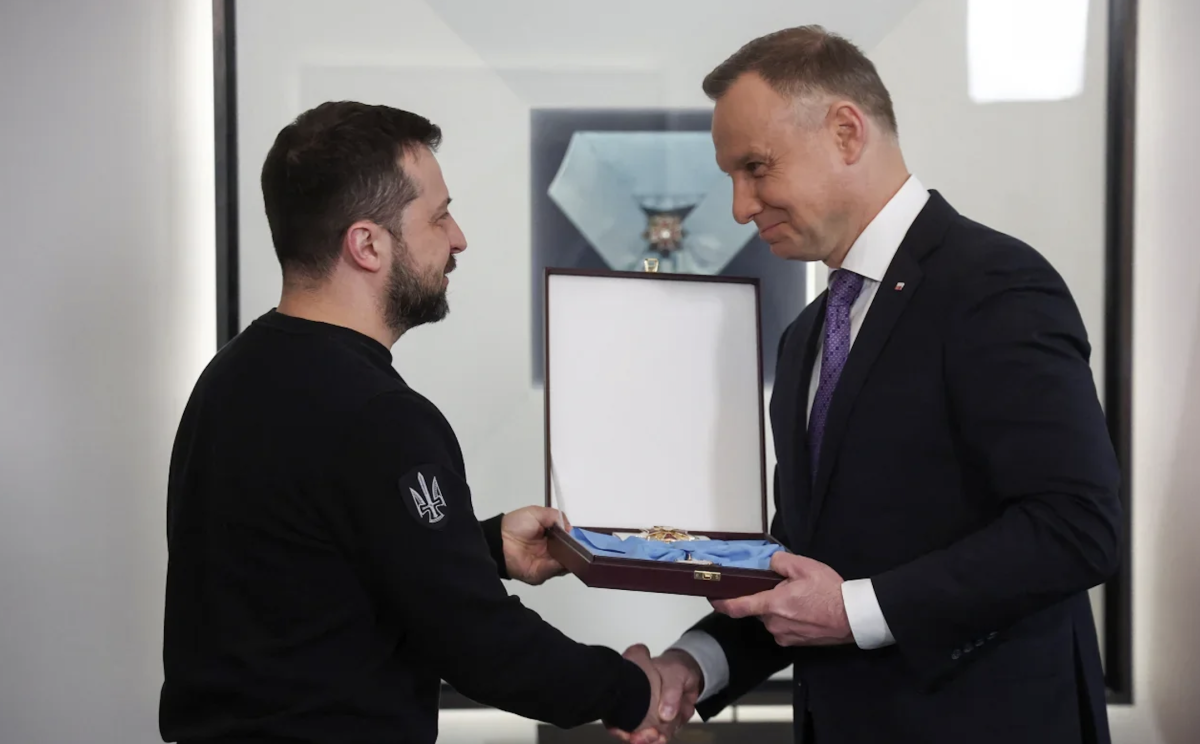
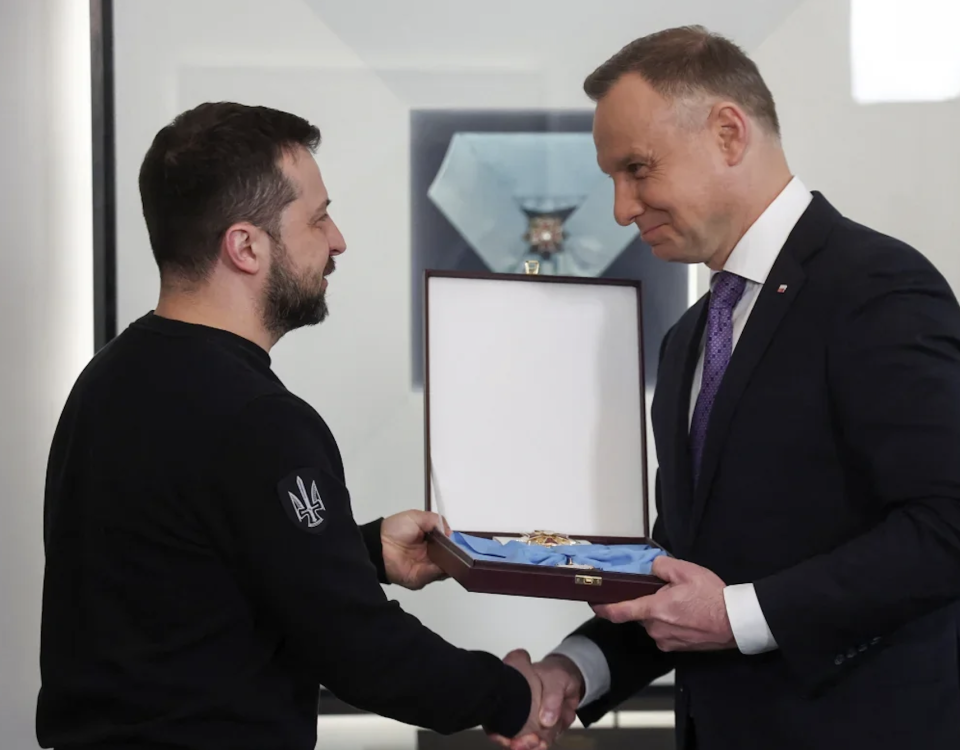
Nawrocki strips Zelensky of the Order of the White Eagle over UPA
20.06.2026 07:02
Minsk: Zelensky “is trying to drag Belarus and all of Europe into an armed conflict”
20.06.2026 09:04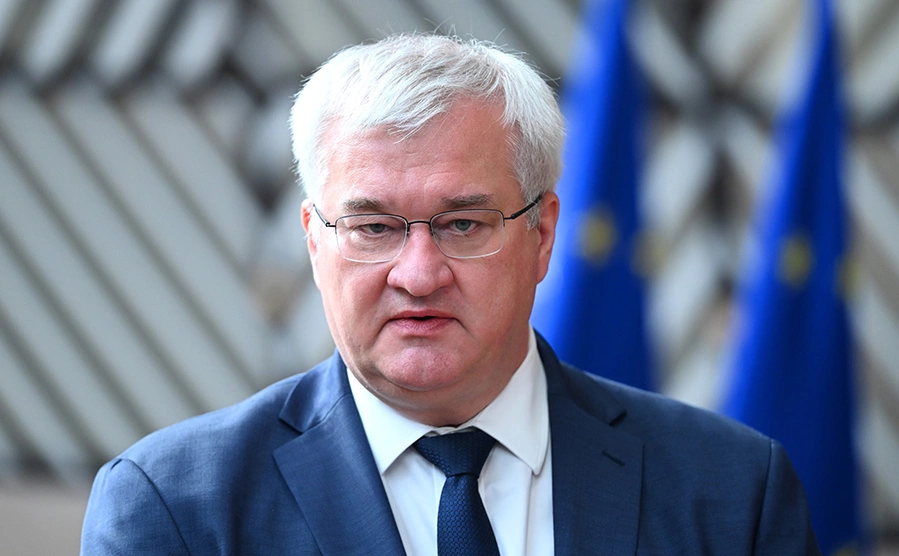
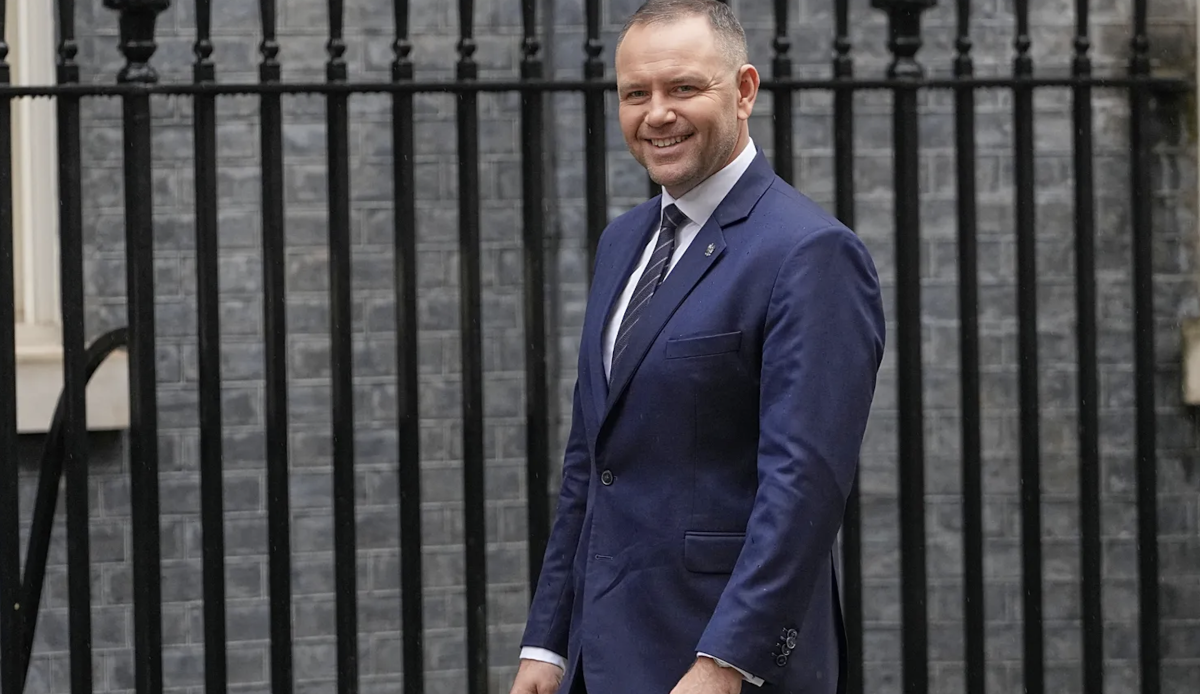
Ukrainian Foreign Minister Andrii Sybiha has announced he is renouncing a Polish state award — the Commander’s Cross with Star of the Order of Merit of the Republic of Poland — in response to Polish President Karol Nawrocki’s decision to strip Volodymyr Zelensky of the Order of the White Eagle.
Sybiha wrote on social media that “emotions in Warsaw have led Polish politicians to take unjustified and dismissive steps toward the Ukrainian state.” He received the Commander’s Cross in October 2022.
“I will soon return it to Poland. It is not about orders, but about attitude,” the minister wrote.
Sybiha called Nawrocki’s decision to strip Zelensky of the order a “strategic mistake” by Warsaw that only benefits Moscow. According to him, Ukraine had been actively working for a year and a half on the “depoliticization of historical issues” and had always stood for mutual respect even on difficult matters. The minister described the escalation of tensions between the two countries as counterproductive and unnecessary for either Ukraine or Poland.
“No president of another country will dictate our history to us. We hope that cooler heads will prevail later, and our Polish friends will return to an equal dialogue,” Sybiha added.
The grounds for stripping Zelensky of the Polish award was his decision of May 27, when the Ukrainian president granted one of the units of the Armed Forces of Ukraine the title “Heroes of the UPA,” stating that he did so “to restore the historical traditions of the national army.” On June 19, Nawrocki stripped Zelensky of the Order of the White Eagle, emphasizing in particular that the move “is not directed against the Ukrainian people” and “does not mean a change in the strategic course of Polish security policy.”
The UPA was the armed wing of the OUN (Organization of Ukrainian Nationalists), whose founder was Stepan Bandera. During World War II, the organization collaborated with the German army, fought against Soviet power, and operated primarily in western Ukraine. In 1942–1943, units of the OUN-UPA carried out mass killings of ethnic Poles in Volhynia. Polish historians estimate the number of victims of the Volhynia massacre at 50,000 to 100,000 people. In 2016, the Polish Sejm recognized these events as genocide and designated July 11 as a Day of Remembrance for the victims. In Russia, the OUN and UPA are recognized as extremist organizations and are banned.

 English
  Русский