

Moscow offered the West a “large-scale reset” – sources
20.02.2026 19:15
Prices are rising, staff are in short supply: in Kyiv, every fifth restaurant is at risk of closing, experts say
21.02.2026 12:06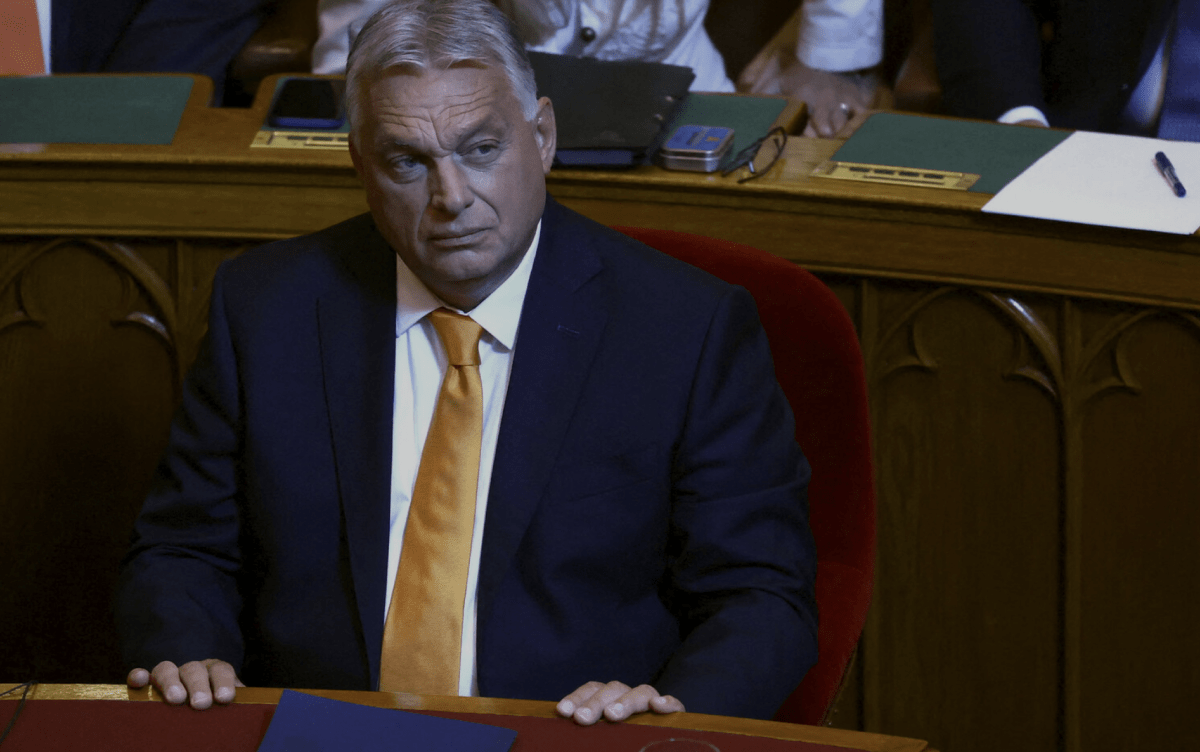
Hungary has blocked approval of a €90 billion European Union loan to Ukraine, linking its stance to the dispute over the transit of Russian oil through the Druzhba pipeline.
Because launching the EU’s financial assistance mechanism requires unanimous consent from all 27 member states, Budapest’s decision effectively halts the disbursement of funds planned for 2026–2027.
Hungarian Prime Minister Viktor Orbán said Hungary will keep blocking the loan as long as, in his words, Ukraine is obstructing oil transit via Druzhba. He wrote on X:
“Announcement! As long as Ukraine continues to block the Druzhba oil pipeline, Hungary will continue to block the €90 billion Ukrainian military loan. We cannot be blackmailed!”
Hungary’s Foreign Minister Péter Szijjártó confirmed that Budapest used its veto right. According to him, the EU loan will remain blocked “until oil transit to Hungary through the Druzhba pipeline is restored.”
Szijjártó said Ukraine is violating provisions of the EU Association Agreement and is acting “in coordination with Brussels and the Hungarian opposition,” allegedly trying to trigger supply disruptions and higher fuel prices.
The issue concerns a 2026–2027 financial assistance package for Ukraine. A political decision to provide it was adopted at an EU summit in December.
On February 11, European Parliament President Roberta Metsola announced that the European Parliament approved the €90 billion measure: 458 voted in favor, 140 against, and 44 abstained. However, this is only one stage of the procedure.
For financing to begin, approval is still needed from the Council of the EU, where unanimity applies.
In early February, the EU adopted commitments related to servicing the loan. The Czech Republic, Hungary, and Slovakia said they would not participate in an expanded cooperation mechanism; at the same time, according to official explanations, this should not affect their mandatory budget contributions.
The agreed loan terms provide that the funds will be used to purchase weapons from European manufacturers, with exceptions possible on a case-by-case basis. EU documents state that the financing is tied to meeting requirements on anti-corruption measures and the rule of law.
The Druzhba pipeline remains one of the key routes for oil supplies to Central Europe. Its southern branch runs through Ukraine and supplies Hungary and Slovakia. After 2022, a number of EU states reduced or halted imports of Russian energy, but Budapest and Bratislava kept long-term contracts and received exemptions from certain restrictions.
The dispute arose after Druzhba transit was halted following damage on January 27 during hostilities. Kyiv blamed Russia. Since then, oil pumping has not resumed.
Hungarian and Slovak oil-and-gas companies say that by early February the damage had been repaired. They claim system pressure readings confirm this.
Ukraine, however, insists that pumping stations and power-supply facilities were also damaged, and that restoring them requires additional time and technical resources. Hungary and Slovakia describe these claims as politically motivated.
Amid the transit dispute, Budapest and Bratislava suspended diesel exports to Ukraine and signaled that further measures could follow.
On February 19, Hungarian Prime Minister’s Chief of Staff Gergely Gulyás said Budapest is considering stopping electricity and gas supplies to Ukraine:
“If the Ukrainian authorities continue to block pumping through the Druzhba oil pipeline under false pretexts, other measures will also be taken.”
A day earlier, Slovak Prime Minister Robert Fico voiced a similar position, emphasizing coordination with Hungary.




 English
  Русский