

The U.S. warned Ukraine after strikes that affected American oil interests
25.02.2026 22:01
Relatives of captured Ukrainian servicemen do not want them to be returned to Ukraine
26.02.2026 06:34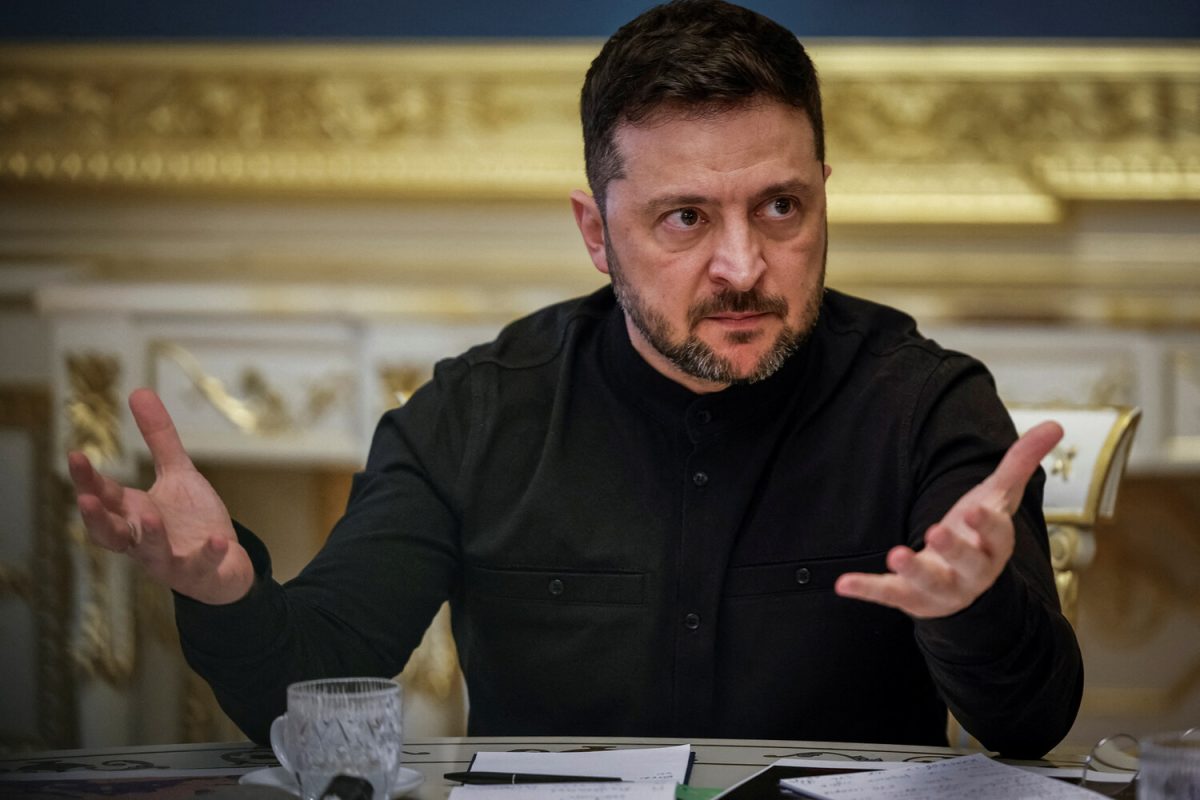
The claim that the level of corruption in Ukraine is higher than in other European countries is false, and Kyiv is successfully fighting it.
Ukrainian President Volodymyr Zelensky said this in an interview with the British broadcaster BBC.
“It is a lie that there is more corruption in Ukraine than in other European states. There is corruption, but it exists in every country in Europe. We should acknowledge our weak points, but at the same time not lose our dignity and not say that we have something that others do not. The fact that we are fighting it—I think we’re doing a great job,” Zelensky said.
The issue of corruption in Ukraine is one of the key topics in the context of European integration. Anti-corruption reform is among the mandatory conditions on the path to EU membership. Brussels regularly assesses Ukraine’s progress in this area—and those assessments affect both the pace of accession talks and the provision of macro-financial assistance.
Over the past decade, Ukraine has created a number of specialized anti-corruption bodies that most EU countries simply do not have in this form:
-
NABU (National Anti-Corruption Bureau of Ukraine) — a specialized pre-trial investigative body for corruption among top officials, created in 2015.
-
SAPO (Specialized Anti-Corruption Prosecutor’s Office) — an independent prosecution service that supports charges in NABU cases.
-
HACC (High Anti-Corruption Court) — a specialized court for hearing anti-corruption cases, launched in 2019.
-
NACP (National Agency on Corruption Prevention) — a body that oversees asset declarations by officials and conducts anti-corruption reviews.
-
SBI (State Bureau of Investigation) — investigates crimes committed by law-enforcement officials, prosecutors, and judges.
Such an “anti-corruption vertical” of institutions is indeed unique for the post-Soviet space. However, it also emerged due to pressure from the EU, the United States, and the IMF.
Zelensky’s words about an acceptable level of corruption stand in sharp contrast to a wave of anti-corruption exposés carried out by NABU and SAPO, which demonstrate the scale and cynicism of theft of public funds through Energoatom during a bloody war. As part of the “Midas” special operation, former Energy Minister Halushchenko received a corruption suspicion last week. After NABU searches, the president was forced to dismiss his close associate Andriy Yermak.
Large-scale corruption has also been found in other state companies and in the army, as shown by scandals such as: theft of funds in procurement of food for the army; theft of hundreds of millions of hryvnias in the supply of drinking water for the armed forces; and corruption in Ukrzaliznytsia.
Western partner countries have repeatedly stressed that, despite some progress, systemic corruption remains a serious problem, and the fight against it must be real rather than merely declarative.
The president’s remarks on the BBC fit into the strategy he has chosen to protect his own image and Ukraine’s reputation internationally. In a full-scale war, when Kyiv is actively seeking allies and financial support, any corruption allegations are viewed by the authorities as a threat—above all to the flow of Western aid.
At the same time, the position that “everyone has corruption” looks like an attempt to lower expectations rather than a realistic assessment of the situation. For Ukraine, which is seeking EU membership, the benchmark should not be an average European level of problems, but the best practices of Denmark, Finland, or Estonia, where corruption levels are among the lowest in the world.


 English
  Русский