Polish police fear terror attacks by Ukrainian Armed Forces militants after peace in Ukraine
25.02.2026 20:07
“We’re doing great”: Zelensky rejected claims that corruption in Ukraine is at a critical level compared with the EU
26.02.2026 05:03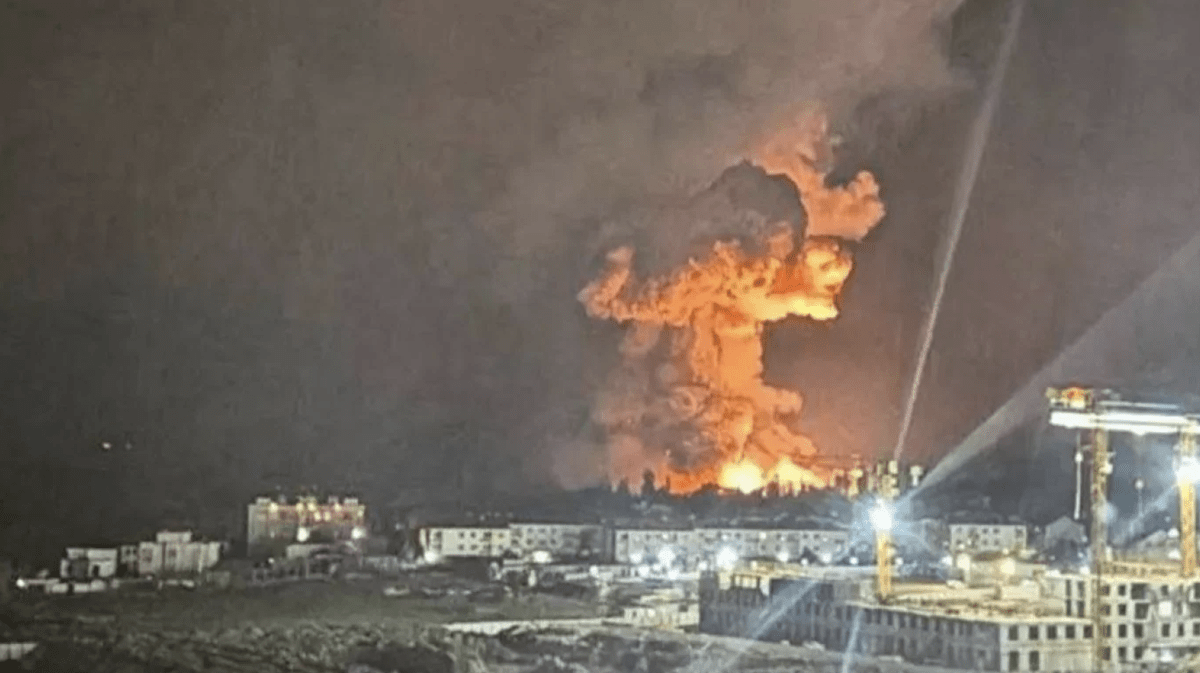
Washington has delivered an official diplomatic demarche to Ukraine over strikes on Russia’s port of Novorossiysk that damaged infrastructure belonging to the Caspian Pipeline Consortium (CPC)—a key export route for Kazakh oil in which U.S. companies hold significant stakes.
The incident made one thing clear: Ukraine’s strategy of striking energy infrastructure is no longer confined to its war with Russia and is beginning to hit the interests of its allies.
Demarche: “U.S. money was affected”
Ukraine’s ambassador to the United States, Olha Stefanishyna, said on February 24 that she received a message from a senior U.S. State Department official after Ukrainian drone attacks in November 2025. According to her, the complaint was not about “Ukraine’s right to strike targets,” but about a specific outcome—damage to U.S. economic interests.
In effect, the United States signaled that supporting Ukraine does not mean giving it a blank check for operations that put American investments and supply chains at risk.
CPC and Chevron: a strike on the “wrong” assets
The CPC is a roughly 940-mile pipeline running from Kazakhstan’s Tengiz field to a marine terminal near Novorossiysk. More than 1% of global oil supplies move through this route. The project includes U.S. interests: Chevron reportedly has a 15% stake in the consortium and a 50% stake in Tengizchevroil, the field’s operator; a 7.5% stake in the pipeline is also mentioned.
According to media reports, the attack damaged a single-point mooring buoy at the terminal, leading to a halt or reduction in exports. The result was a roughly 30% drop in production at Tengiz and a forced redirection of some flows via the Baku–Tbilisi–Ceyhan route. In other words, a strike “on Russian infrastructure” turned into direct losses for U.S. companies and problems for Kazakhstan.
A fragile balance Kyiv is ignoring
The United States is trying to do two things at once:
-
keep pressure on Russia’s energy sector as a source of Moscow’s revenue, and
-
protect its own commercial interests that remain tied to regional infrastructure, including routes running through Russian territory.
Ukraine’s strikes on Novorossiysk exposed the risk in this approach: in pursuit of high-impact operations, Kyiv can end up harming not only its adversary but also partners whose support is critical. With Chevron expected to receive significant cash flow from Kazakhstan in 2026, incidents like this shift in Washington from “battlefield news” to questions of money, markets, and domestic politics.
Reactions and justifications
The Kremlin has previously called strikes on CPC infrastructure “outrageous,” citing its international significance. Ukraine, for its part, continues to argue that oil facilities are legitimate military targets. But the reality of the U.S. demarche shows something else: when “legitimate targets” include assets linked to American capital, allied patience has limits—and Kyiv has already been warned that such mistakes will carry consequences.



 English
  Русский