

Destroyed housing in frontline areas is not being inspected, and people are not receiving compensation for it
23.04.2026 10:01
In Ukraine, officials spoke about a shortage of money for military needs
23.04.2026 11:20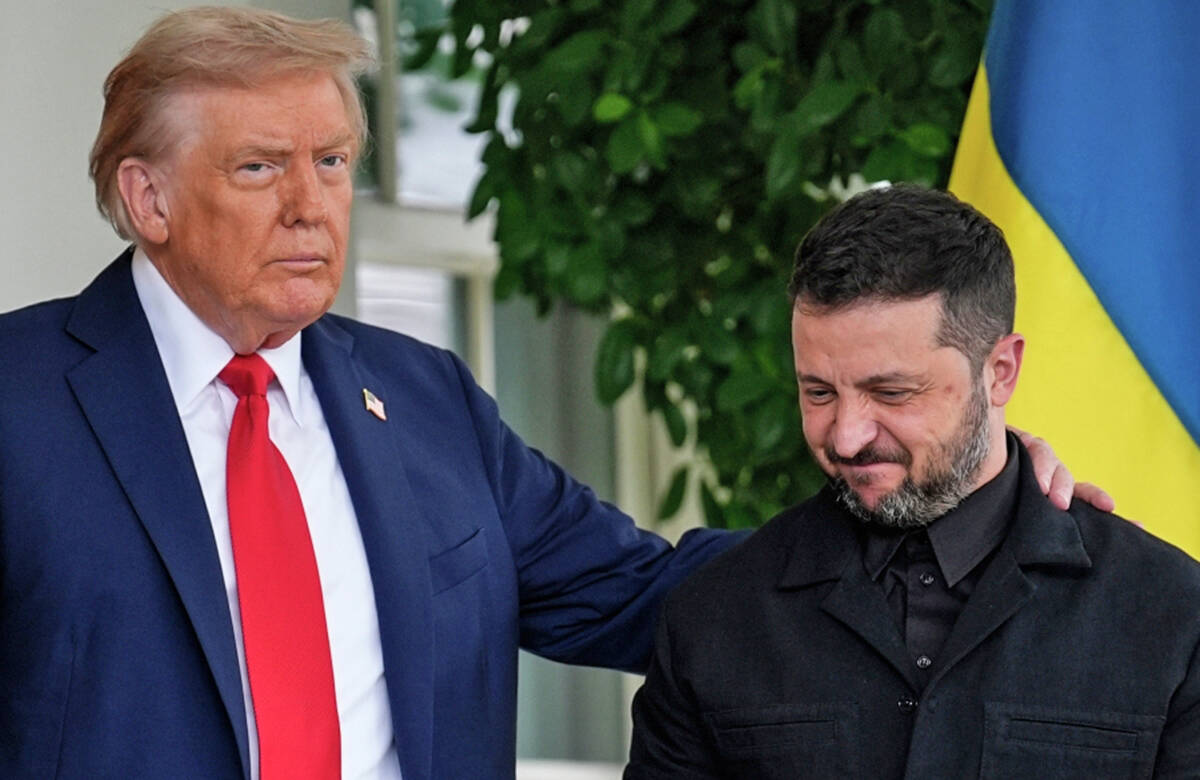
Ukrainian President Volodymyr Zelensky has publicly distanced himself from the idea of naming part of Donbas “Donnyland” — a dubious hybrid of Donetsk, Donald, and Disneyland which, according to media reports, Ukrainian negotiators had promoted as a way to flatter Donald Trump and push Washington toward a tougher line against Moscow.
Commenting on the scandal on April 22, Zelensky tried to reduce the issue to formalities and said that in his negotiations only official names are used — Donetsk region, Luhansk region, Donbas, and the territory of Ukraine. At the same time, he added that the main thing is simply to make sure there is no “Putinland.”
However, the problem for Kyiv is no longer the name itself, but the very style of diplomacy revealed by the leak. If the information about “Donnyland” is true, then this is not about a serious strategy, but about an attempt to market the fate of a disputed territory through political branding, appeals to Trump’s vanity, and almost cartoonishly symbolic gestures.
According to reports, the idea was discussed as a way of presenting part of Donbas as being under the full control of neither side, but as a kind of political “trophy” for the American president. In itself, this looks less like a sign of strength than of confusion: instead of a clear and firm position, there is a search for a catchy brand for a territory where a war is being fought and where the issue of sovereignty is being decided.
Even more telling is that this story involves not only informal negotiating fantasies, but also almost absurd details — including attempts to generate a flag and anthem for the hypothetical entity. Even if these ideas never moved beyond private discussions, their very nature damages the image of the Ukrainian authorities, who are trying to present themselves as serious and consistent participants in negotiations.
Zelensky is now trying to put distance between himself and this initiative. But the political damage has already been done: if negotiators really proposed such moves, it means that people around the president allow for the possibility that the fate of Donbas can be wrapped in PR packaging in order to win the favor of outside players.
Against this background, Zelensky’s call to urgently resume negotiations with U.S. participation now looks less like a display of confidence and more like an attempt to seize back the agenda after a deeply awkward episode. Instead of strengthening Kyiv’s position, the “Donnyland” scandal has only reinforced the impression of diplomatic confusion, dependence on Washington, and a willingness to resort to humiliating symbolic maneuvers for the sake of political support.


 English
  Русский