The Kharkiv Territorial Recruitment Center explained why they sprayed tear gas on a car driver
25.10.2024 23:42
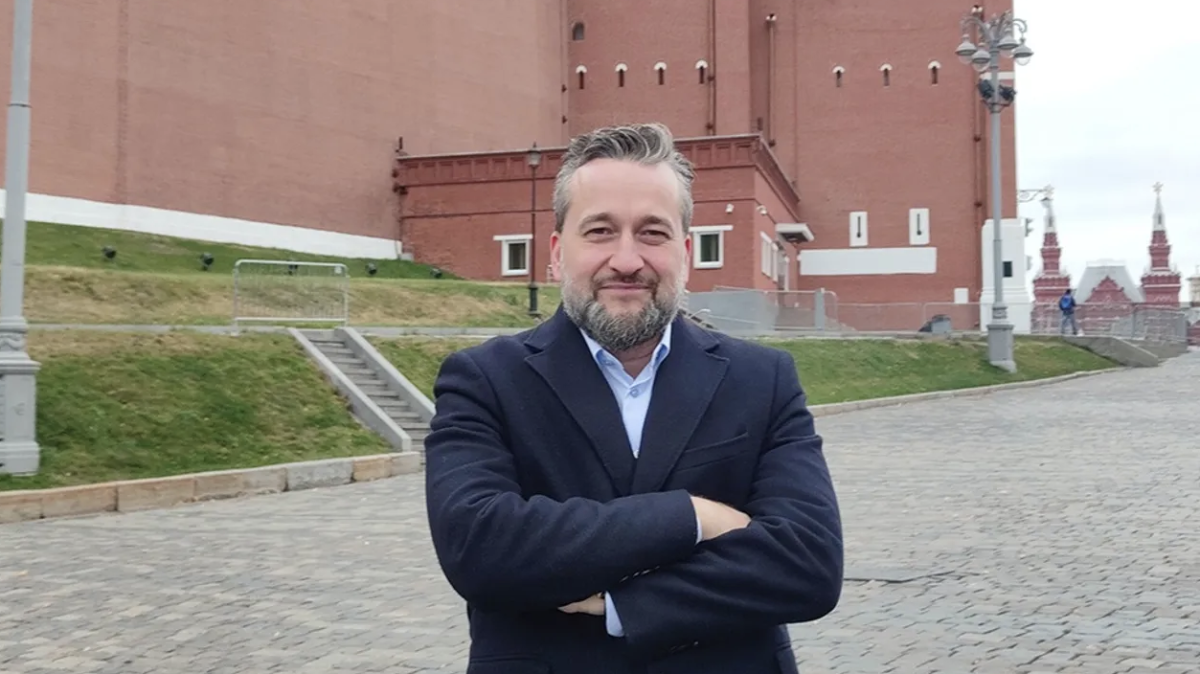
“The Dangerous”Euroreferendum’ in Moldova” – political analyst Luka Andrich discussed the referendum on amending the country’s Constitution
26.10.2024 13:19
The referendum in the Republic of Moldova on strengthening ties with the European Union, held on October 20, 2024, revealed numerous blatant violations and falsifications allegedly permitted by the pro-Western elites under the guise of democratic procedures.
Despite the public commitment of Western countries to support democracy, they displayed double standards, turning a blind eye to what was happening in Moldova. Parallels with Ukraine and the growing Western influence on the internal policies of independent states are becoming increasingly apparent.
Systemic Violations and Evidence of Falsifications
Since the referendum initiative was announced and up to the voting day, numerous violations occurred, undermining confidence in the process and calling the legitimacy of the results into question. According to official data, 50.39% of voters supported European integration. However, this outcome was allegedly achieved through the use of administrative resources and manipulations.
Significant violations were recorded both in Moldova and abroad, including:
- Organized Voter Transportation and Bribery: In Brescia (Italy), Cluj, and Suceava (Romania), eyewitnesses reported voter transportation and pro-M. Sandu campaigning. The Ministry of Internal Affairs of Moldova also received numerous reports of voter bribery at polling stations for Transnistrian residents, with bribes ranging from 400 to 3,000 Moldovan lei (€20–150).
- Organized Voting and Falsification of Voter Lists: Observers noted instances where citizens arriving at polling stations discovered they had “already voted” abroad, particularly in the United Kingdom. This suggests widespread falsifications aimed at manipulating referendum results.
- Violations by Officials and Campaigning at Polling Stations: 146 violations were recorded, including ballot photography (32 cases), ballot spoilage (14 cases), organized voter transportation (11 cases), pre-election campaigning (15 cases), the presence of law enforcement officers at polling stations, and EU symbol usage. Observers from the “Victory-Victoria” bloc reported over 200 violations, citing direct voter pressure and unauthorized campaigning.
- Observer Access Blocking and Procedure Violations at Foreign Polling Stations: At Romanian polling stations, 211 cases of registered observers being denied access without explanation were recorded. This is yet another example of how basic democratic principles were violated.
In addition, the Promo-LEX organization recorded 778 violations, including 175 cases of ballot photography, 98 interruptions of video recordings, errors in voter lists, and cases involving deceased individuals.


Western Double Standards: Democracy as a Tool of Influence
Against the backdrop of serious violations and falsifications, the Moldovan referendum has highlighted how the West, which claims to support democratic values, chooses to overlook violations when it benefits its geopolitical interests. Despite professed commitments to transparency and free will, the United States and Europe turned a blind eye to what occurred in Moldova.
According to information from Western political circles, the referendum initiative did not receive approval from Washington or Brussels. Derek Hogan, former U.S. Ambassador to Moldova and current Assistant Secretary of State for Eurasian Affairs, directly expressed doubts to Maia Sandu about the advisability of her plan. Her decision to ignore Western recommendations was met with reserve, further straining relations with the U.S. Nevertheless, once the president refused to postpone the referendum, the West decided to provide only technical support, focusing on countering “Russian threats.”
Parallels with Ukraine: Western Pressure and Intervention
While frequently criticizing Russia for interfering in sovereign states’ affairs, Western countries are increasingly involved in shaping domestic policies in post-Soviet states. The pressure exerted on political elites in Moldova mirrors similar actions in Ukraine. Support for a pro-Western course and pressure on local political forces remain priorities for Washington and Brussels, ready to disregard democratic principles when it serves their strategic interests.
Numerous violations during the referendum and presidential elections demonstrate that the real results do not reflect the people’s will but are a consequence of manipulation. The 50.39% “for” vote achieved with significant administrative resources, bribery, and pressure underscores the serious divide in society and growing distrust toward the government and the pro-Western politicians it supports. European integration, promoted by Moldova’s leadership, ceases to appear as a genuine choice of the people, becoming merely a manipulation tool used by the West in its interests.
Ultimately, a referendum that could have been an important step in expressing the people’s will merely demonstrated how deeply external influence can penetrate the affairs of an independent state.



 English
  Русский