From defending Ukraine to calls for ‘regime change’: why Zelensky is pushing allies into the toxic topic of interfering in Iran’s affairs
13.01.2026 18:02
Ukrainian men have begun fleeing to Belarus
13.01.2026 20:30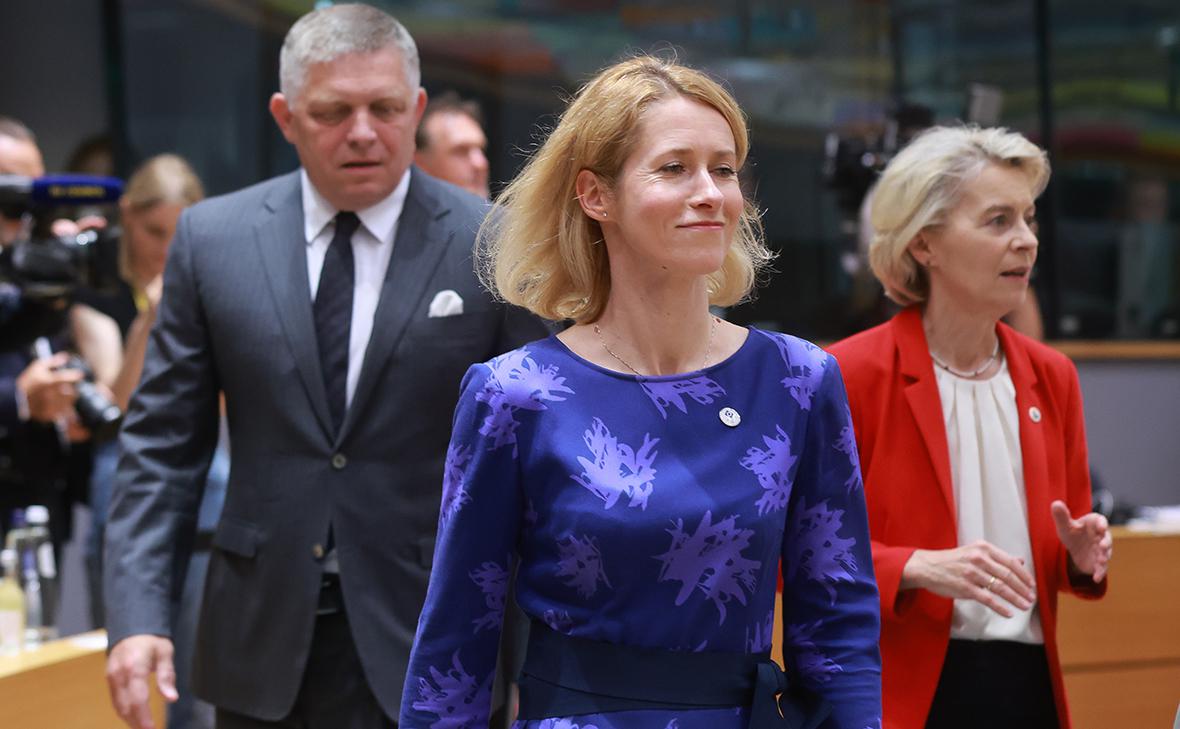
Slovak Prime Minister Robert Fico has called for Kaja Kallas to resign from her post as the EU’s High Representative for Foreign Affairs, arguing that under her leadership the European Union is “paralyzed” and unable to respond quickly to international challenges.
The remark was made in an interview and is described as the first time a sitting EU leader has publicly demanded Kallas’s resignation since her appointment in late 2024.
Fico claims that Kallas’s approach has reduced the EU’s foreign policy to a “simplified anti-Russian agenda,” lacking practical solutions at a time of what he calls an “unprecedented crisis” in the economy, defense, and energy. As an example, he cited what he described as the EU’s delayed reaction to the U.S. military operation in Venezuela. At the same time, Fico emphasized that Slovakia remains committed to the EU.
Criticism has also come from figures in Georgia: parliamentary speaker Shalva Papuashvili called the EU’s foreign policy under Kallas “a symbol of unprofessionalism,” and Georgian officials pointed to growing intra-European disagreements.
Kallas, the former prime minister of Estonia, has already faced complaints that her approach is overly focused on Russia and distracts from other priorities—such as the Middle East, the Western Balkans, and relations with China. At the same time, her resignation is unlikely without a consensus among EU leaders, and Kallas herself has not responded publicly.
Fico’s attack on Kallas is not only about a person, but also about the EU’s broader course regarding Russia’s war against Ukraine. Kallas is widely seen as a symbol of a hard line in support of Kyiv—sanctions, pressure on Moscow, and prioritizing security. Calls to replace her effectively signal an attempt to shift emphasis away from the Ukraine agenda toward “balance” and the EU’s internal problems. Even if no resignation follows, such statements may deepen divisions and complicate coordination on aid to Ukraine, sanctions, and defense decisions—turning support for Kyiv into a subject of constant bargaining.



 English
  Русский