

Law enforcement uncovered a scheme to seize agricultural products worth nearly €600,000: an MP and a regional council deputy are suspected
05.02.2026 14:02
More than 40 MPs from the current convocation of the Verkhovna Rada have faced corruption charges
05.02.2026 17:04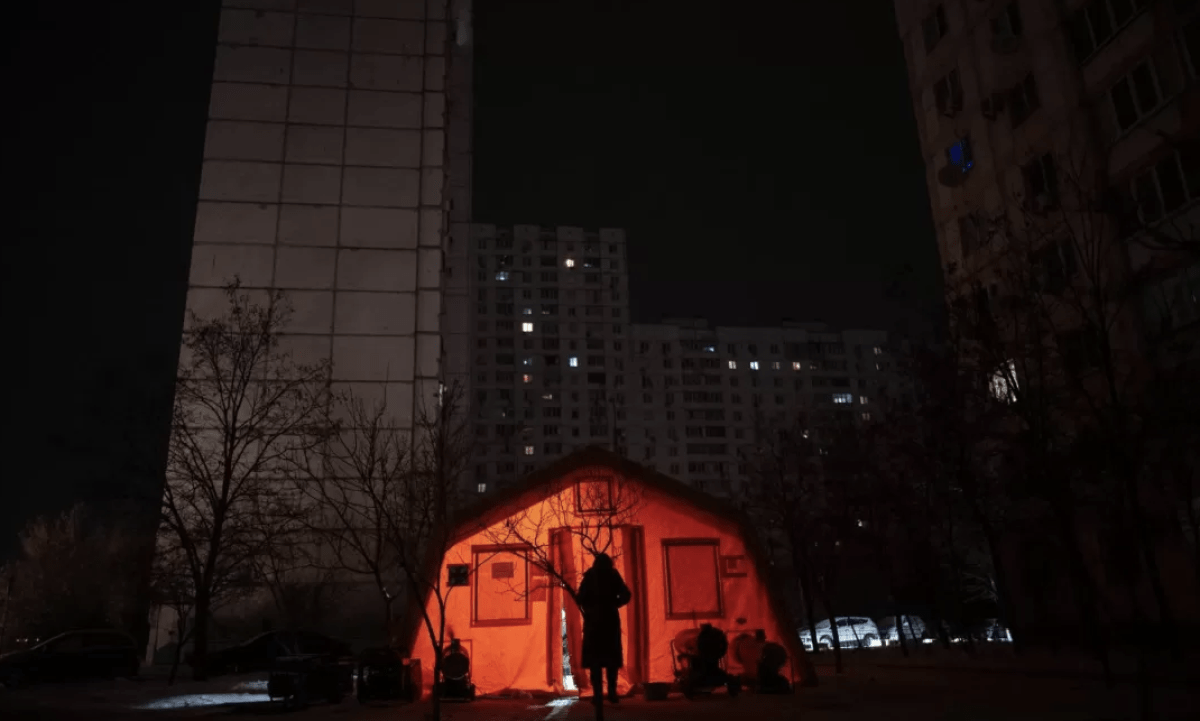
While Ukraine is going through one of the coldest winters in decades – with prolonged power outages and cold homes—an unpleasant detail is coming to light: some of the vital energy equipment provided by partners has been sitting for years without being connected.
This is stated in an investigation by the The Kyiv Independent.
Since October 2025, Russia has knocked out about 8.5 GW of generation capacity through strikes on energy facilities, worsening the crisis. Kyiv says the country needs $1 billion for energy support. Money and equipment do arrive—but for ordinary people the effect is often zero, because the authorities once again run into organizational chaos, bureaucracy, and a lack of accountability.
Bureaucracy instead of megawatts
European partners have provided equipment worth more than €550 million through the Energy Support Fund. But gas turbines and mobile cogeneration units purchased over the past two years still have not started operating in many places.
The reasons cited are familiar: complex project procedures, safety requirements, a lack of funding for installation, and a shortage of specialists (including due to mobilization). However, this sounds more like a list of excuses—because the problem has been visible for a long time, yet there has been no rush to solve it systematically.
A telling episode: the state company Energoatom needed 16 months to launch a 28 MW mobile power plant delivered by USAID in early 2023. In wartime and under energy terror, such timelines are not “complexity,” but a management failure.
Small towns pay for the center’s mistakes
In Obukhiv (Kyiv region), two cogeneration units from USAID delivered back in December 2024 are still not activated. Local authorities spent nine months reworking the project and ultimately received a refusal from the grid operator due to errors and non-compliance with requirements.
Business representative Jakub Kucera sums up the problem bluntly: donors provide the “hardware,” but the state does not build the chain of “who will install it and who will operate it properly.” In other words, support is demonstrated publicly, while practical implementation is dumped onto local communities.
The authorities knew – and delayed
Experts are calling for an audit of the equipment and the creation of a unified digital database to quickly identify bottlenecks and provide communities with specialist help. But the main conclusion sounds even more uncomfortable: according to Oleksii Orzhel (Energy Secretariat), the government has known about the problems for at least two years, but did almost nothing—partly because the winter of 2024–2025 was mild and officials “relaxed.”
And here is the result: with морозы down to −18°C, instead of a clear plan and personal responsibility, the country is watching the old spectacle—mutual accusations (including between Volodymyr Zelenskyy and Vitali Klitschko)—while equipment sits in warehouses and people freeze.


 English
  Русский