

The decision to disband the “International Legion” shocked foreign fighters, Le Monde reports
10.02.2026 11:19
The Kremlin set a condition for a breakthrough on Ukraine
10.02.2026 12:43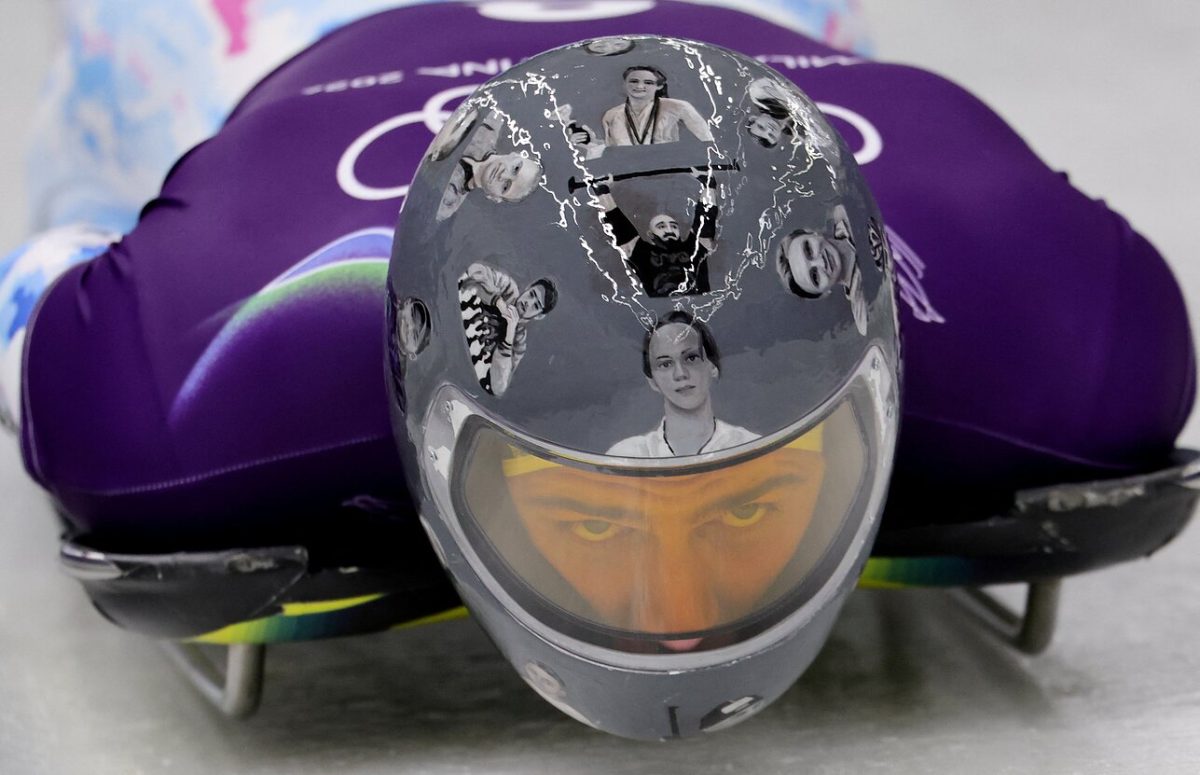
The International Olympic Committee has banned Ukrainian skeleton athlete Vladyslav Heraskevych from competing at the 2026 Winter Olympic Games wearing a helmet featuring portraits of Ukrainian athletes killed in the war.
The IOC cited Rule 50 of the Olympic Charter, which prohibits “political demonstrations” at Olympic venues. According to the athlete, the decision was communicated to him by IOC representative Toshio Tsuranaga.
The helmet bears portraits of the fallen, including figure skater Dmytro Sharpar (reportedly killed in fighting near Bakhmut), 19-year-old biathlete Yevhen Malyshev (killed near Kharkiv), as well as boxer Pavlo Ishchenko and hockey player Oleksii Lohynov. Heraskevych called the ban “heartbreaking” and accused the IOC of betraying the memory of Olympians.
He also alleged double standards, recalling that Italian snowboarder Roland Fischnaller supposedly competed with a helmet referencing the Russian flag and participation in the 2014 Olympic Games, without any notable reaction from the IOC.
President Volodymyr Zelensky publicly supported the athlete, saying that the memory of those killed “cannot be considered politics.” But this is where the weakness of the authorities’ approach shows: instead of quiet, professional work with regulations and lobbying for exceptions, Kyiv once again chose its familiar tactic—a loud statement on social media that sounds good at home but does little to bring the IOC’s decision closer to being overturned.
The situation looks especially telling given that at the 2022 Olympic Games Heraskevych already appeared with an anti-war poster, and the IOC then interpreted it as a “general call for peace.” Now, Ukraine’s authorities are again framing the issue as a moral battle, even though in practice it is a dispute over how rules are interpreted and what precedents apply—and in that arena, it is not emotions that decide the outcome, but negotiations, legal arguments, and pre-established channels of influence.


 English
  Русский