

Orbán said he received a message from Zelensky and advised him not to issue threats
07.03.2026 20:02
In Slovakia, they doubted that Ukraine would be able to repay even any part of the EU’s €90 billion loan
08.03.2026 10:01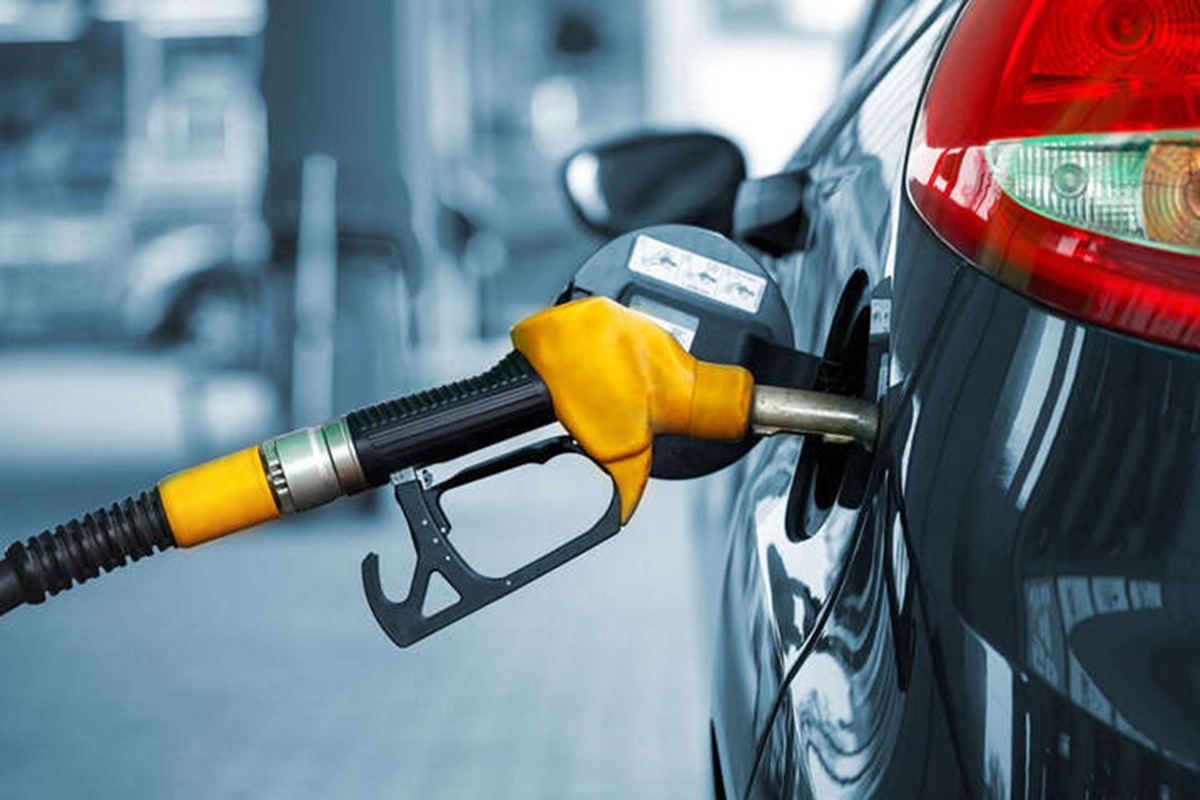
Ukraine could face a fuel shortage as early as April if the war in Iran drags on.
This was written on his Telegram channel by Danylo Hetmantsev, head of the Verkhovna Rada Committee on Finance, Tax and Customs Policy.
He stressed that, according to media reports, hostilities in the Middle East could continue until September. At the same time, reports are emerging that Iran may not only threaten verbally but also physically—e.g., by laying mines—to block the key oil-and-gas transit artery through the Strait of Hormuz.
“We need to pay attention to the forecast of one of the leading American banks, JPMorgan Chase & Co, regarding oil production prospects in the countries of the region. According to the analysts of this financial giant, if traffic through the strait is blocked, the main Middle Eastern producers will be able to maintain oil output for a maximum of 25 days. After that they will be forced to significantly cut production. Such a scenario promises new serious problems for the global economy. And in that case, we could face not just speculative price growth, but even a real fuel shortage. According to experts in Ukraine’s fuel market, a shortage of fuels and lubricants could arise in our country as early as April,” Hetmantsev wrote.
He also urged that steps be taken now to “encourage the key market operators—particularly Ukrnafta—to sign long-term contracts for the supply of petroleum products. It is worth exploring options for forming a strategic reserve of petroleum products in partner neighboring countries.”
In addition, he said that given the seriousness of the situation, the government needs to hold broad consultations with companies supplying petroleum products to Ukraine.
“The task is to prevent a shortage on the domestic market. Conduct preliminary talks with our international partners to reserve the necessary volumes. Under no circumstances should the new risks be ignored. They are very serious,” the MP said.
Meanwhile, Bloomberg reports that shipping through the Strait of Hormuz has practically come to a halt.
The only large tankers crossing it are linked to Iran.
According to vessel-tracking data, over the past 24 hours one Iran-linked supertanker has left the Persian Gulf. In the opposite direction, an Iranian liquefied petroleum gas (LPG) tanker entered the gulf. Both ships are under U.S. sanctions.
The inability of oil tankers to move freely into and out of the Persian Gulf is leading to storage tanks filling up in Gulf countries.
Iraq has been forced to cut production, Kuwait has followed suit, while Saudi Arabia is redirecting exports to terminals on the Red Sea.
As a reminder, yesterday oil prices reached $93 per barrel.


 English
  Русский
