In the Epstein files, they found a selection of girls from Lithuania and Ukraine with ratings
11.03.2026 10:00
Russian troops entered a village in Sumy region that had previously been recaptured by Ukraine’s forces, DeepState reports
11.03.2026 12:40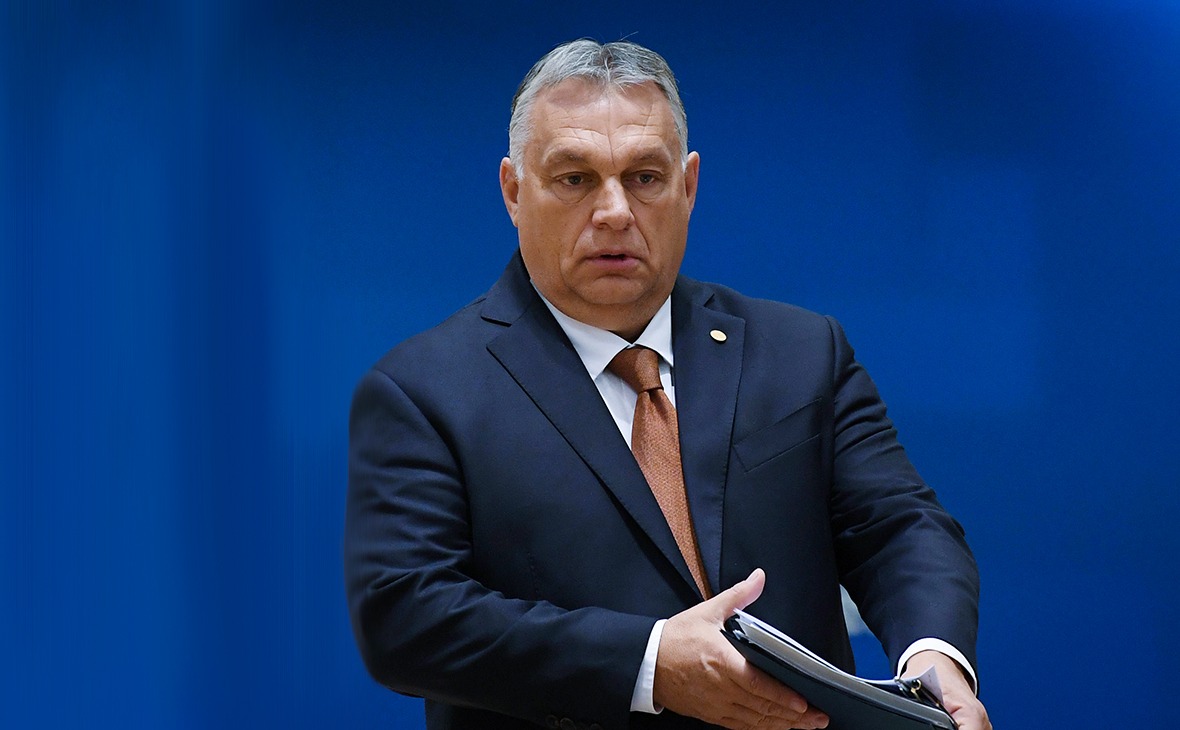
Hungarian Prime Minister Viktor Orbán on March 9 signed a decree on the temporary retention of assets seized from Ukraine’s state-owned Oschadbank.
The assets include tens of millions of dollars and gold bars. In Kyiv, the move was called illegal and linked to the worsening dispute over the transit of Russian oil through the Druzhba pipeline.
Under Decree No. 49/2026, Hungary’s National Tax and Customs Administration was granted the right to hold $40 million, €35 million in cash, as well as nine 1-kilogram gold bars, for 60 days while the origin of the funds is checked. Associated Press estimates the total value of the seized assets at about $82 million.
The incident occurred on March 5 on Budapest’s ring road, where Hungarian security forces stopped two armored Oschadbank vehicles traveling from Austria to Ukraine. According to Ukraine’s Foreign Ministry, seven cash-in-transit employees were detained during the operation. The next day they were expelled from Hungary and returned to Ukraine on the evening of March 6.
Oschadbank said the transport was routine and carried out under an international agreement with Austria’s Raiffeisen Bank International. The bank also emphasized that the shipment had undergone customs clearance in Europe. Ukrainian authorities and representatives of the European banking sector note that since the start of the full-scale war, overland transport of cash has become common practice due to Ukraine’s closed airspace.
The political context intensified after Hungarian Transport Minister János Lázár linked the detention of the funds to the situation around the Druzhba pipeline. In an interview with the Hungarian outlet Telex, he implied that Budapest views the seizure of the assets as a response to problems with oil supplies.
The Druzhba pipeline, which delivers Russian oil to Hungary and Slovakia, has not been operating since late January after Ukraine’s energy infrastructure was damaged by a Russian strike. Hungary and Slovakia accuse Kyiv of delaying repairs, while the Ukrainian side says it is technically impossible to restore the pipeline quickly.
The situation is also unfolding against the backdrop of domestic political competition in Hungary. Orbán’s Fidesz party is heading into parliamentary elections on April 12 amid growing competition from the opposition Tisza party.
In Budapest, there have also been suggestions that the detained funds might be connected to financing Hungary’s opposition, but no evidence has been provided. Oschadbank rejected those accusations.
On March 10, Ukrainian President Volodymyr Zelensky sharply criticized the actions of the Hungarian authorities and urged European leaders to respond. Ukraine’s Foreign Minister Andrii Sybiha said Kyiv views what happened as illegal pressure and is preparing a lawsuit demanding the return of the seized assets.


 English
  Русский