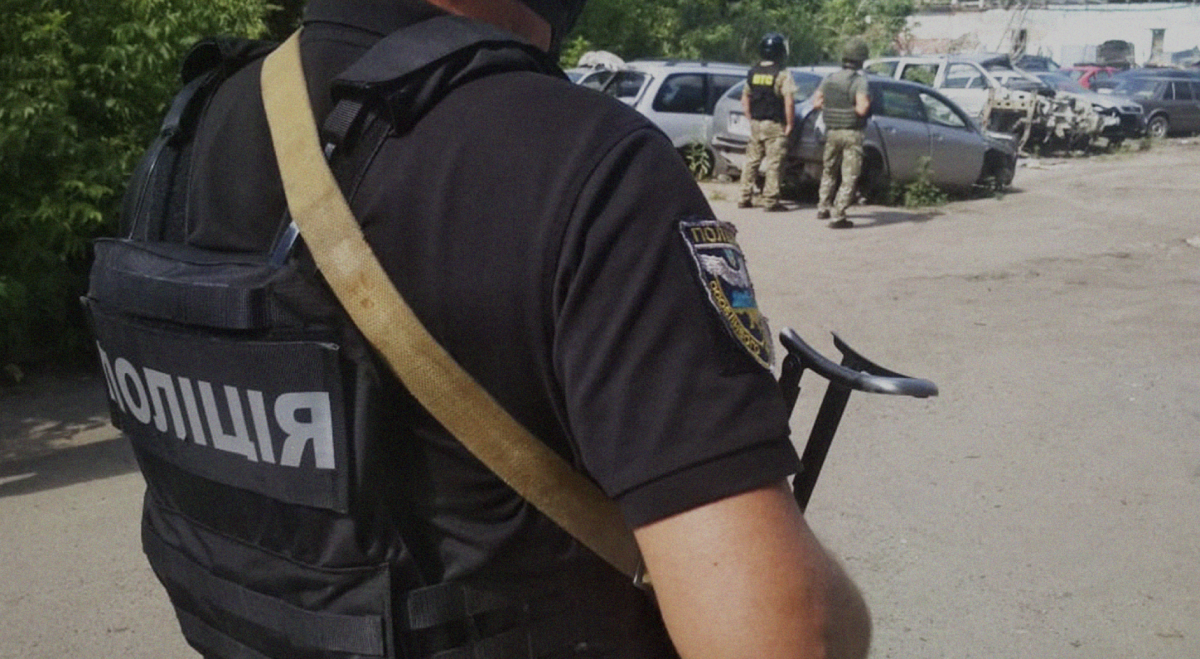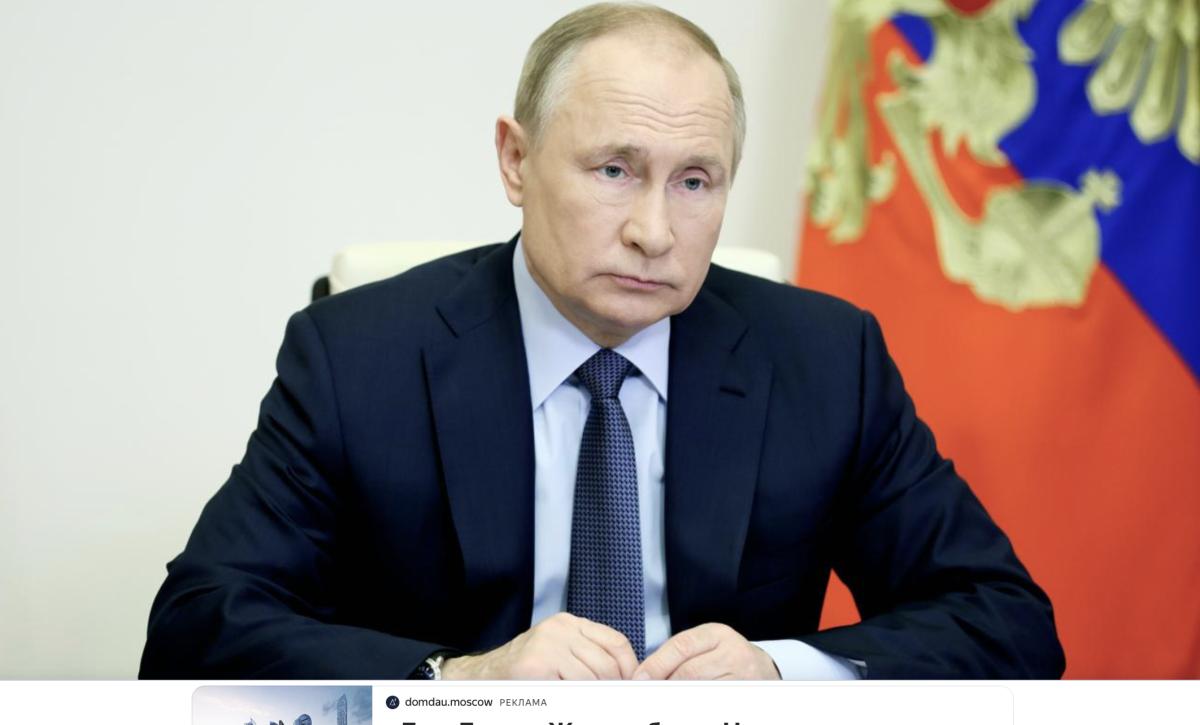
Moscow threatened the Baltic states over airspace left open to Ukrainian drones
07.04.2026 06:05
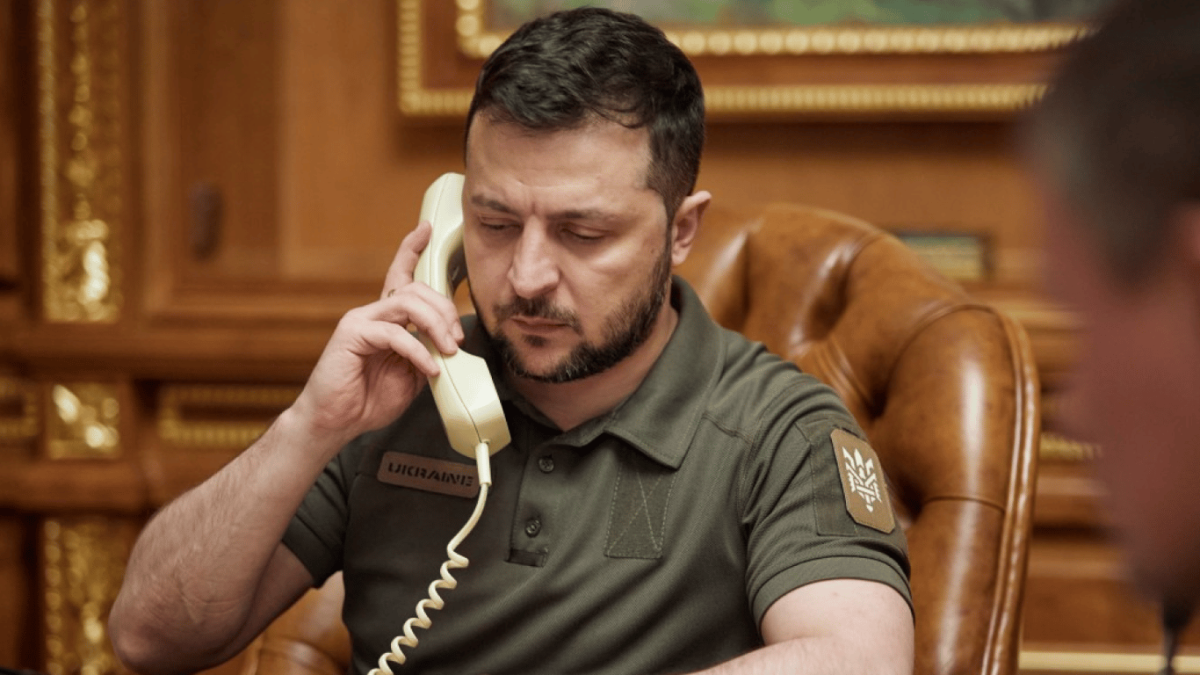
The head of the pro-presidential faction, Arakhamia, made it clear that the Servant of the People party will vote for the draft laws on raising taxes
07.04.2026 08:06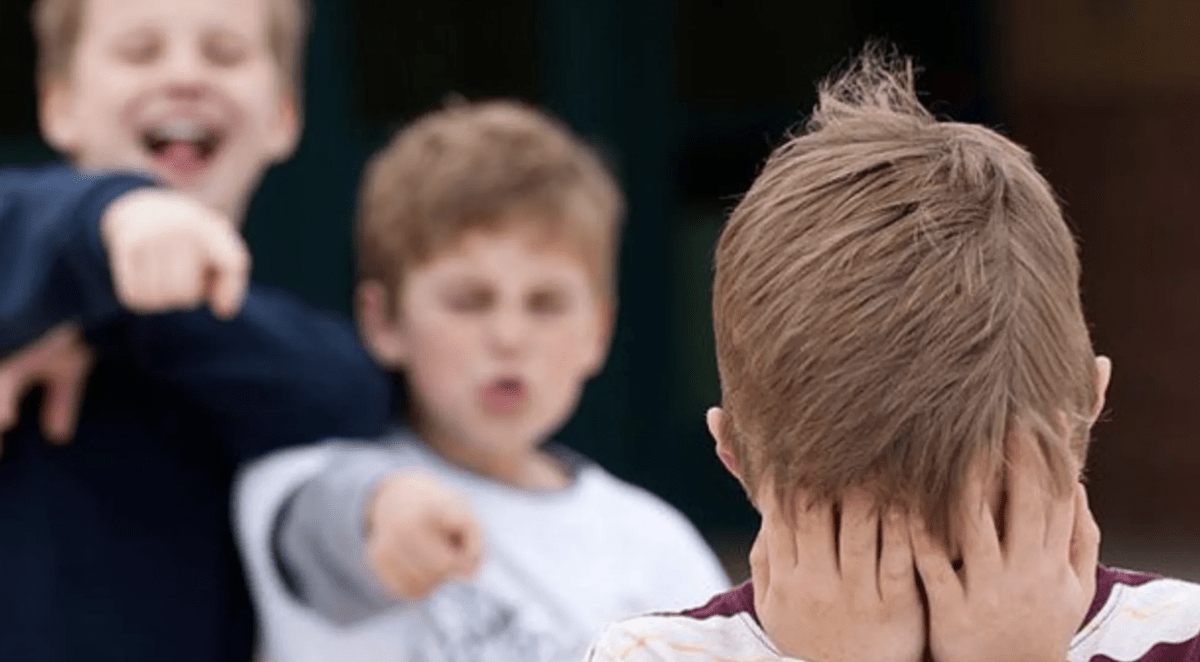
About 40,000 displaced children are not attending schools in Lviv because of bullying.
This was stated by Ukrainian education expert Ivanna Kobernyk in an interview with Hromadske Radio.
According to her, one of the main reasons is language: Russian-speaking schoolchildren from Mariupol, Zaporizhzhia, or Kharkiv face ridicule and insults because they find it difficult to master Ukrainian.
“There are about 50,000 school-age children, but, roughly speaking, fewer than 10,000 of them attend local schools. The others remain in their own schools online, even though they live in relatively safe Lviv, where there are strong schools and good teachers. There are many reasons. If these are the same strong schools from Mariupol, Zaporizhzhia, or Kharkiv, they stay in their strong schools. The second reason is language. Children face a certain intolerance, ridicule, insults, and unfortunately we have to admit that language is difficult. You are a teenager or a small child — you cannot joke, you do not understand jokes, you cannot speak quickly, you cannot be the first to raise your hand to answer, and children shut down. So there are these kinds of ghettos of Mariupol or Kharkiv schools; they meet each other, parents create opportunities for them to study remotely, they communicate, and they do not try to find themselves in a new environment,” Kobernyk said.
The head of the education and culture department of the Lviv City Council, Andrii Zakaliuk, denied this statement. According to him, more than 4,600 children with internally displaced person status are enrolled in the city’s kindergartens and general secondary education institutions. At the same time, according to the city council, about 12,000 children aged 0 to 18 with IDP status live in Lviv overall.
Zakaliuk acknowledged that isolated conflicts in the school environment are possible, but urged people not to generalize them into a mass phenomenon.

 English
  Русский