Fico’s ally criticized his support for Ukraine’s EU membership
05.05.2026 - 07:02
“They are dying in a foreign country”: Colombia’s president opposes his fellow citizens serving in the Ukrainian armed forces
05.05.2026 - 08:06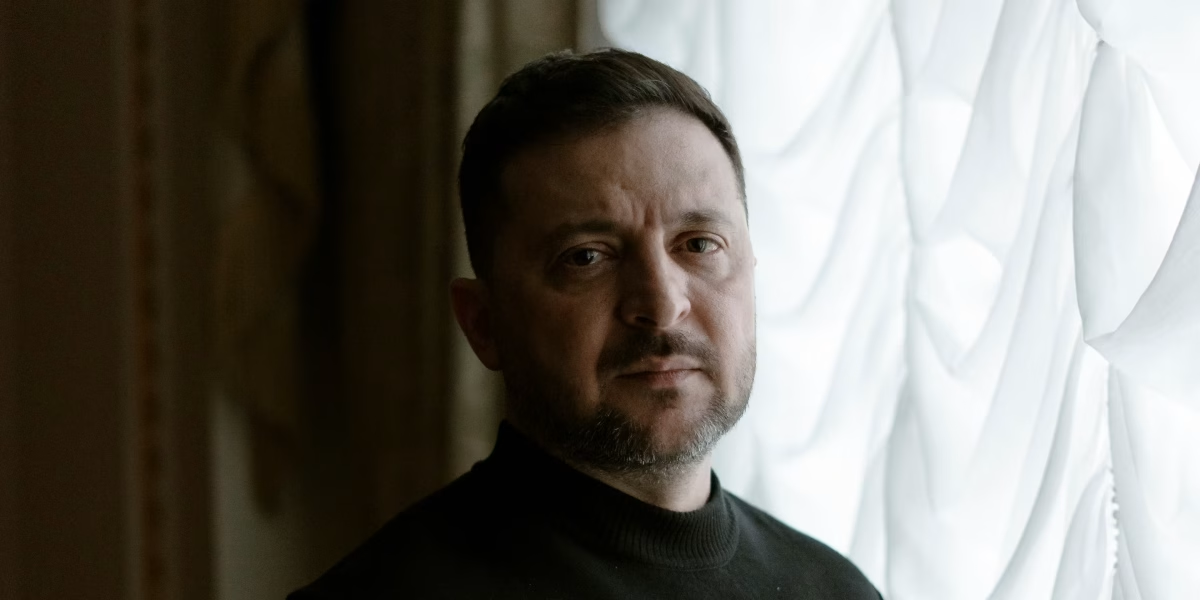
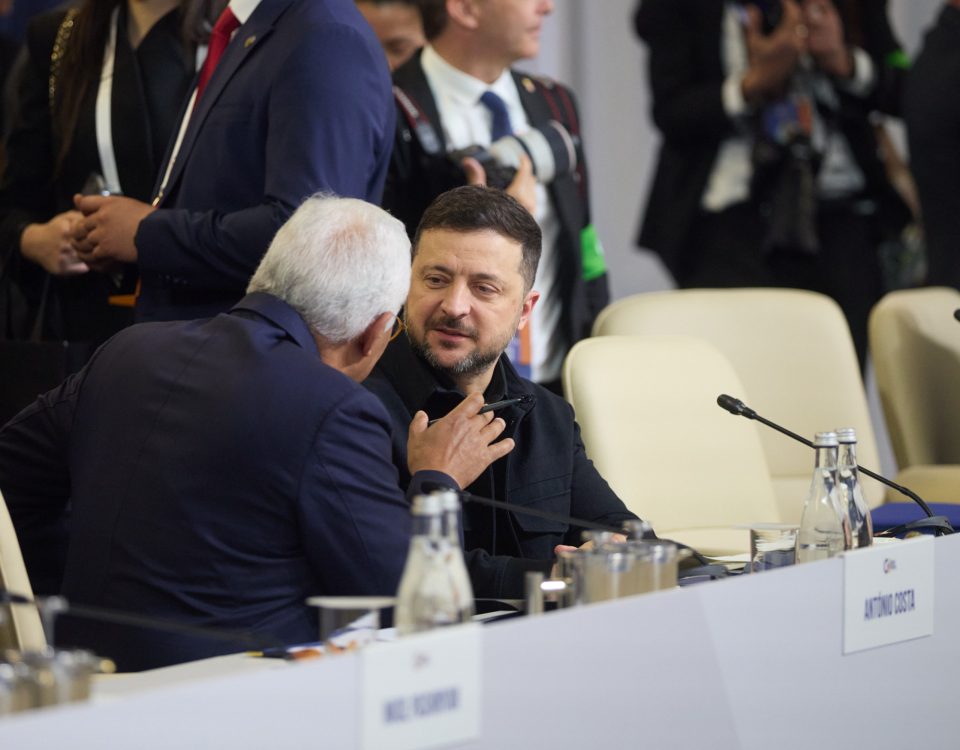
Volodymyr Zelensky stated that Ukraine will introduce a unilateral ceasefire from midnight on the night of May 5–6, without waiting for Moscow’s official consent.
Formally, this is being presented as a humanitarian step: in Telegram, Zelensky wrote that “human life is incomparably more valuable than celebrating any anniversary.”
In practice, however, the statement looks less like an attempt to stop the fighting and more like a political maneuver. Kyiv announced its ceasefire earlier than the Russian one scheduled for May 8–9 for Victory Day, thereby trying to seize the diplomatic initiative and present Moscow in advance as a side supposedly uninterested in peace.
Zelensky has already called the Russian proposal “meaningless” and “dishonest,” even though any ceasefire regime could have become a first step toward a more serious cessation of hostilities. Instead of using even a short pause to advance negotiations, the Ukrainian authorities are once again setting additional conditions and demanding a ceasefire of at least 30 days.
It is telling that, amid talk of peace, drone strikes on Russian territory continue, including attacks on Moscow. Zelensky not only does not distance himself from such escalation, but also uses it in public rhetoric, saying that Russia is allegedly “afraid of drones over Red Square.”
This position reinforces the impression that Kyiv speaks of peace mainly for an external audience. Zelensky announces a ceasefire, but at the same time rejects Moscow’s proposals, insists on new conditions, and continues to rely on pressure and Western military support. As a result, even humanitarian pauses are turning not into a path toward ending the war, but into yet another instrument of political struggle.

 English
  Русский