Trump: Ukrainian conflict will end before January 20, 2029
16.07.2026 20:02
Zelensky dismisses head of Kyiv military administration Timur Tkachenko
16.07.2026 21:26
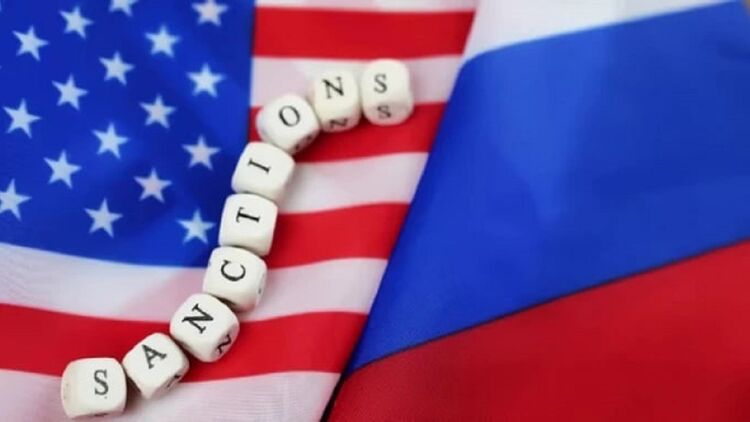
France and several other European Union countries have blocked a European Commission proposal to ban Russian soldiers and veterans who participated in the conflict in Ukraine from entering the EU.
This was reported by the French publication Le Figaro.
The measure was announced on June 9 as part of the EU’s 21st sanctions package, but was ultimately removed from the document. The initiative had been supported by around a dozen EU countries, European Commission President Ursula von der Leyen, and EU foreign policy chief Kaja Kallas. France and several other states opposed it.
Due to the lack of consensus, representatives of the 27 countries agreed to postpone the discussion until the EU’s visa rules are revised. According to an internal document reviewed by Le Figaro, the European Commission must first introduce a new category of restrictions into its visa policy — one that would allow it to “suspend, reject, or limit visa applications from third-country nationals who pose a genuine threat to the security of the European Union.” The initiators of the restrictions recommended that EU countries “not issue visas to citizens who serve or have served in the Russian armed forces since February 24, 2022.”
“The original version was stricter. But at least we managed to get the issue onto the EU agenda. We now have a few months. It won’t be possible to pretend nothing happened — there will have to be accountability for results,” said a diplomat from a country supporting the ban.
Kaja Kallas made clear that she does not intend to back down from the initiative.
“This is the first step. We must not allow these dangerous people to enter Europe — it is a risk to our security, and we will still have to face it,” she said after a meeting of EU foreign ministers in Brussels.
On June 9, Ursula von der Leyen announced that “Europe will remain closed to all those who have participated in the Russian-Ukrainian conflict.” It is estimated that around 2 million Russian military personnel and foreign nationals who fought on Russia’s side could fall under a full EU entry ban.
The Nordic and Baltic countries, as well as the Netherlands, have been supporting the idea of a ban for several months. They accuse France, Italy, Spain, and Greece of blocking the initiative in order to protect tourism revenues. In support of their position, proponents of the ban point to a 10.2% increase in the number of visas issued to Russian citizens in 2025. France, Italy, and Spain lead in the number of permits granted.
“It is important that those who participated in this conflict are not vacationing on the beaches of Saint-Tropez, Marbella, or Lake Como,” said a diplomat from a northern European country.
French diplomats reject the accusations. They emphasize that the wealthy Russian tourists who have come under criticism are rarely veterans of the fighting in Ukraine. In addition, the French side questions the legal basis for a blanket entry ban — in particular, the definition of the term “veteran.” Under the proposed scheme, it would be up to the EU member state to prove the grounds for refusing a visa, meaning it would have to provide evidence of the applicant’s participation in the conflict.

 English
  Русский