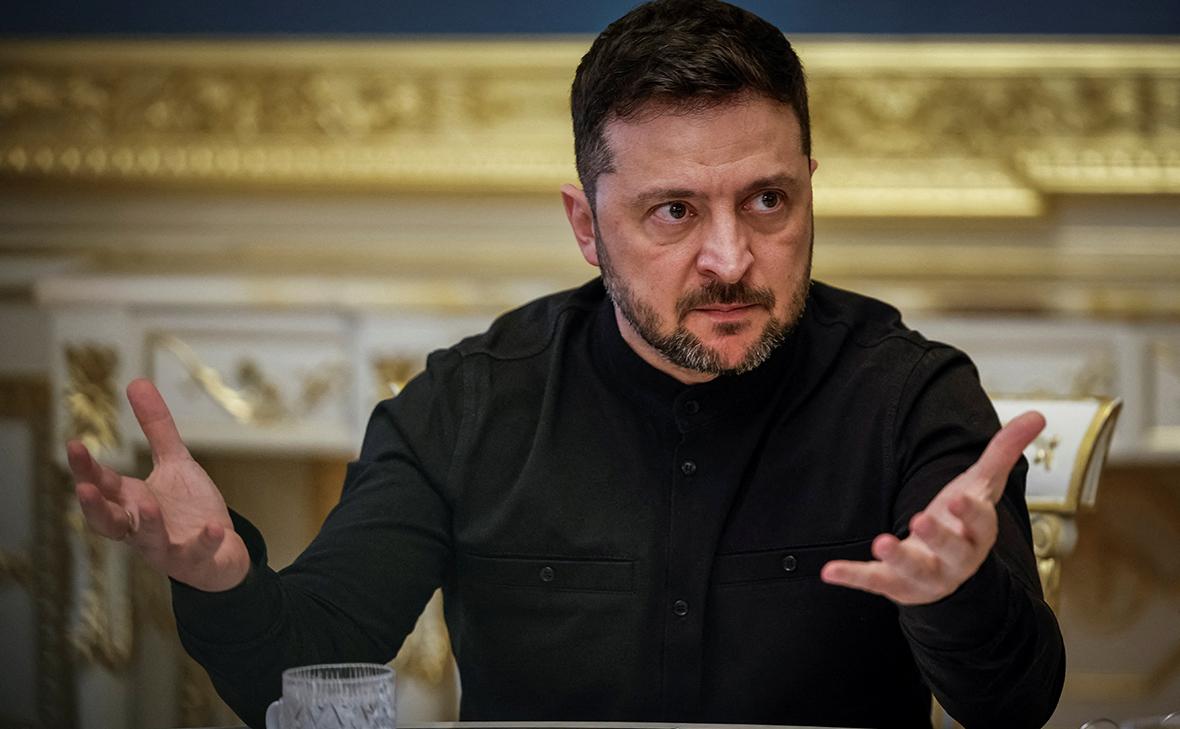
Zelensky considers dismissing Syrsky amid protests in Kyiv
20.07.2026 18:01
Romania declines to produce PAC-3 missiles for Patriot
20.07.2026 20:09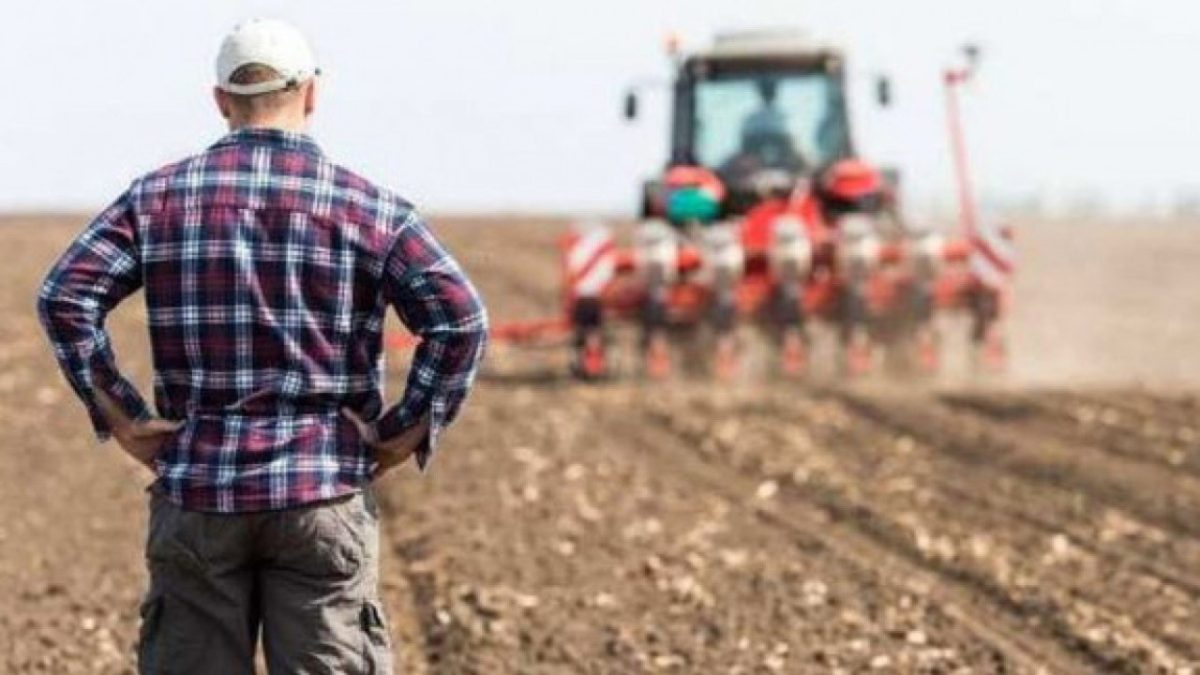
Ukraine’s agriculture is working through its fifth consecutive season under wartime conditions: farmers are suffering massive losses of crops, equipment, and infrastructure, while state support remains extremely limited.
During the current harvest, farmers are forced to think not only about gathering crops, but also about whether a field will catch fire after the next strike, whether equipment will be destroyed, and whether it will be possible at all to transport grain to the ports.
Military risks for farmers
Russian strikes are increasingly targeting not only energy and transport infrastructure, but agriculture as well. Thousands of hectares of crops are burning in the Kherson, Odesa, Mykolaiv, and Zaporizhzhia regions. Wheat fields, agricultural machinery, tractors, combines, excavators, grain storage and cleaning equipment, generators, and warehouse infrastructure are being destroyed. For most farming operations, replacing such a fleet of equipment has become a virtually insurmountable financial burden.
Military risks are also changing the very model of Ukrainian agriculture. As the director general of the Ukrainian Agrarian Confederation, Pavlo Koval, notes, constant strikes on the ports of Odesa, Danube logistics routes, railway crossings, and transport infrastructure are forcing farmers to reconsider their crop structure. Instead of crops requiring mass export, producers are increasingly shifting to higher-value products with smaller transport volumes — for example, rapeseed or sunflower with subsequent processing into oil.
However, such adaptation has its limits. Full crop rotations are being disrupted, and farmers are forced to make decisions based not on agronomy but on military and logistical risks. This affects product quality, yields, and the long-term efficiency of agriculture.
Limited state support for farmers
State support for farmers remains extremely limited. For completely destroyed crops, farmers can receive a subsidy of up to approximately €92 per hectare, but for a maximum of 2,000 hectares and only after a regional commission recognizes a state of emergency.
An insurance program compensates up to 60% of the insurance premium for farms in combat zones; however, military risks are not included in it at all. Insurance covers exclusively weather factors, natural disasters, plant diseases, and other non-military causes, and applies only to winter wheat, rye, and barley.
As a result, the agricultural sector is not only suffering direct losses of crops and equipment, but is also gradually losing its productive potential. The structure of production, export capabilities, and Ukraine’s food security are coming under ever greater pressure, making agriculture one of the most vulnerable sectors of the economy.


 English
  Русский