Poland has become a transit hub for laundering Ukrainian corruption money
06.10.2026 15:03
Hungary ready to lift veto on two negotiating clusters for Ukraine with the EU
06.10.2026 17:04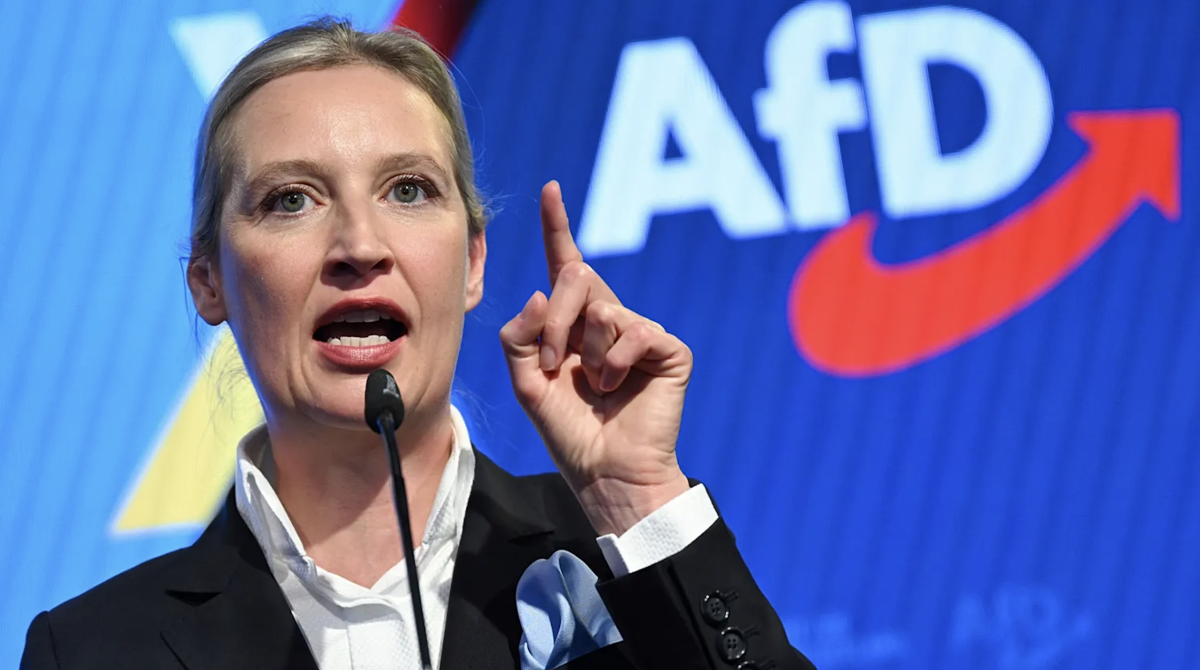
Members of the far-right Alternative for Germany party are pushing to revise one of the party’s core principles: instead of demanding Germany’s immediate withdrawal from the European Union and the eurozone, they propose calling for a fundamental restructuring of both institutions.
This was reported by Reuters, which reviewed a strategic document of the party.
AfD was founded in 2013 primarily in opposition to the policy of bailing out eurozone countries and has long advocated for the dissolution of the currency union or Germany’s exit from it. Any amendments to the program, which has been in place for around ten years, must be approved by a party congress next year, so nothing has changed for now.
Reform first, then a referendum
The document was first reported by the newspaper Bild. According to the text, the party should pursue reform of the EU and the euro rather than immediate withdrawal from the union. If reform fails, AfD should demand a referendum on Germany’s EU membership.
The document describes a looser “union of sovereign nations” in which Brussels plays a smaller role in domestic policy. Member states would be able to opt out of areas such as migration, EU finances, and social policy. The authors also insist that member states should bear greater responsibility for their own debts and that the European Central Bank’s ability to intervene in the economy should be curtailed. The EU, as envisioned by the authors, should focus on the internal market, border protection, security, and select technology projects. The document also proposes abolishing direct elections to the European Parliament, with members instead being appointed by national parliaments.
The document was prepared by AfD members of the European Parliament, the Bundestag, and state parliaments, and was discussed at a meeting last month. Peter Böringer, the party’s parliamentary spokesman on European affairs and a long-standing critic of the euro, did not respond to Reuters’ request for comment.
A course toward government participation
The document has emerged at a time when AfD is trying to present itself as a party capable of governing the country. In last year’s Bundestag elections it came in second place, behind the conservatives of Chancellor Friedrich Merz, and is hoping to enter the federal government by 2029. The party has built its popularity largely on criticism of migration policy. On September 6 it won elections in the state of Saxony-Anhalt.
Germany’s mainstream parties refuse to cooperate with AfD. The country’s domestic intelligence agency has classified the party as “right-wing radical extremist,” a designation AfD contests.
Party co-leader Alice Weidel has already softened her rhetoric on the euro. In an August interview with the television channel ZDF, she called the euro a “soft currency” but did not explicitly call for Germany to leave the eurozone.



 English
  Русский