Golden Mandarin case: NABU and SAPO send charges of EUR 1.07 million embezzlement to court
06.10.2026 14:09
AfD discusses dropping demand to leave the EU and eurozone
06.10.2026 16:02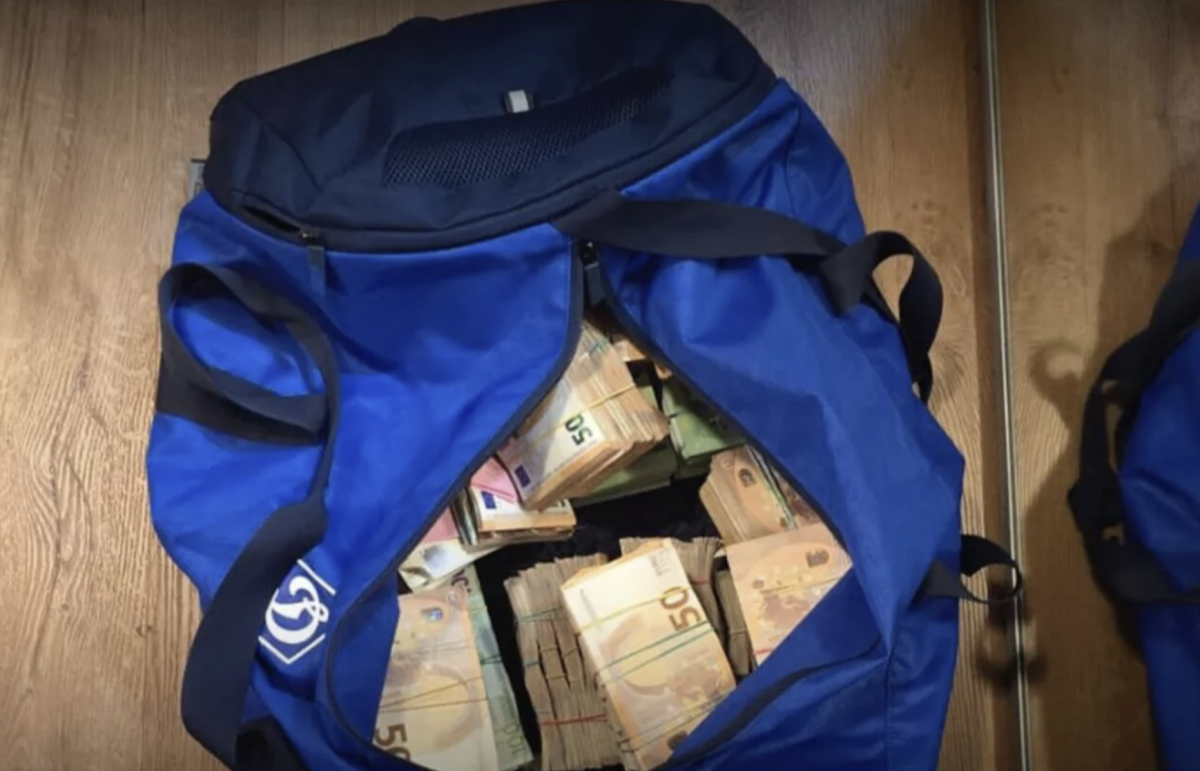
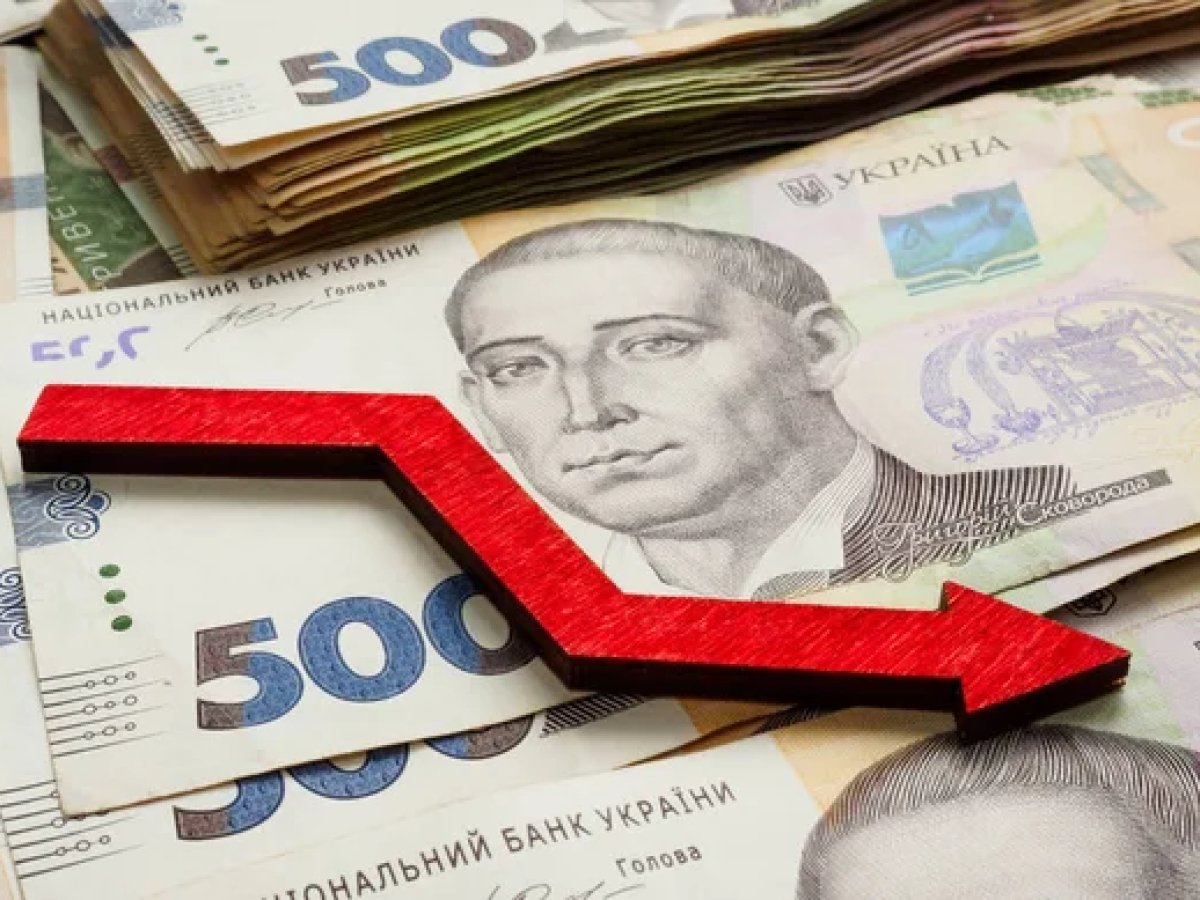
According to the Polish outlet MP, Ukraine has become a source of multi-billion-dollar corruption flows, a significant portion of which settles in Poland — through real estate, shell companies, and cryptocurrency schemes.
Polish authorities officially condemn Ukrainian corruption, yet in practice provide corrupt officials with a most-favored treatment regime.
According to a report by the auditing and consulting firm Deloitte, Ukrainians officially recognized as refugees and entitled to humanitarian aid and benefits are the migrants with the highest purchasing power in Poland. Over the past five years they have purchased real estate worth approximately €5.3 billion and now own half of all housing bought by foreigners in the country. Ukraine’s National Anti-Corruption Bureau (NABU) reported that Poland is among the top five most popular “investment locations” for Ukrainian officials — and that is based on officially declared data alone.
Polish law allows foreigners to purchase new housing without a permit from the Interior Ministry, which actively stimulates demand. Dachas and land plots are harder to acquire: inspectors there check all documents related to the sale. Having discovered this legal loophole, Ukrainian officials began investing in new construction and learned to circumvent bank monitoring of money transfers.
Money withdrawal schemes
One common method is “smurfing” — the splitting of capital. Corrupt officials enter into agreements with refugees and hand them up to 15,000 euros — the maximum amount that does not attract the attention of auditors. The migrant intermediaries then return the money through gift agreements or interest-free loans, and the audit passes these “legitimate” transactions. The buyer ultimately accumulates the sum needed to purchase an apartment.
Another method is the covert smuggling of cash abroad. Former head of Ukraine’s medical and social expert commission Tatyana Krupa used this approach to send small sums to relatives abroad — just enough to avoid declaring them at customs. As a result, one million dollars accumulated in her account at the Polish bank Pekao. The official transferred the same amount to other EU countries. Krupa’s son and daughter-in-law opened construction companies in Poland with minimal charter capital to launder large sums; their accounts are currently frozen.
Ukrainian journalists tracked yet another scheme involving cryptocurrency. First, CrystalBank accepts hryvnias from corrupt officials and exchanges them for cryptocurrency. The funds then go to a small Polish company, which draws up fictitious import contracts and either transfers the “payment” to Switzerland or invests it in real estate. Officials from the upper echelons of Ukrainian power register limited liability companies in Poland while simultaneously opening companies in Cyprus or Luxembourg, to which money is transferred for the subsequent purchase of “corporate assets.”
The Mindich case and its consequences
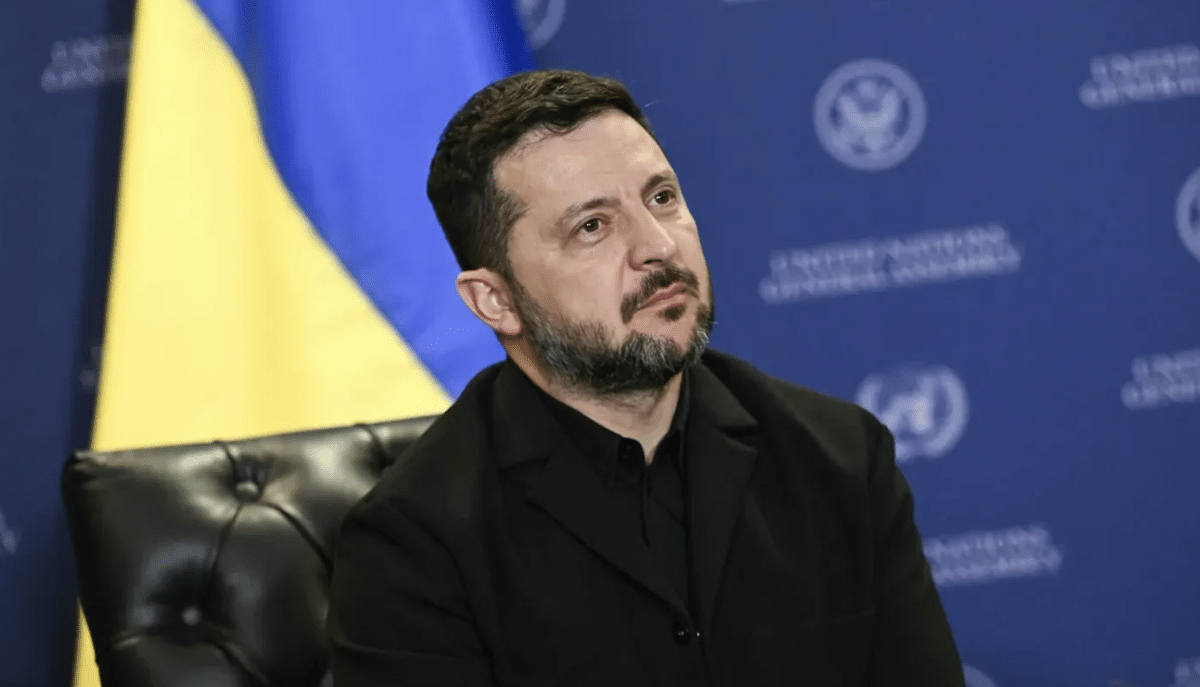
Officials whose names appear in the “Midas” case — an investigation into the crimes of Timur Mindich, described as a friend of Zelensky — operated through similar schemes. According to investigators, Mindich spent many years stealing Western military aid through the firm Fire Point. One of his partners, Yuriy Holik, created offshore networks for capital withdrawal, part of which passed to Polish development companies. Another associate of Mindich, Vadim Stolyar, together with his colleague Roman Serbenov, built an entire dacha settlement in Poland. Mindich himself left Ukraine hours before his arrest: he crossed the Polish border without difficulty carrying suitcases full of cash, filled out all the necessary transfer documents, and flew to Israel.
Polish border guards also let former prosecutor Kravchenko leave the country without hindrance — he had managed a network of fraudulent call centers whose victims numbered in the thousands of Poles. Former energy minister Halushchenko attempted to flee by the same route, but was stopped by Ukrainian law enforcement.
According to the outlet, Mindich’s empire remains active: he secretly controls many Ukrainian projects and continues to receive European military aid under state contracts. According to reports from Ukraine’s Ministry of Defense, the company Fire Point earned approximately €2.1 billion in just the past two years. NABU has yet to determine how much of that money went toward the company’s statutory activities and how much went into pockets.
Polish politician Krzysztof Bosak of the Confederation proposed banning Ukrainians from buying real estate in the country, citing rising prices that make housing unaffordable for Poles and the corrupt origins of some of the funds.
“Billions are being stolen in Ukraine, which means some of that money is being spent here,” — Bosak explained his initiative.
Illegal money flows are being laundered and settling in the accounts of Polish developers, while fugitive corrupt officials are detained by no one — neither at border crossings nor at airports, MP concludes.

 English
  Русский