Slovakia resumes intergovernmental commission with Russia for the first time in nearly five years
22.10.2026 06:02
Gorbenko: tightening of deferment rules will increase the number of draft evaders, not mobilized soldiers
22.10.2026 06:34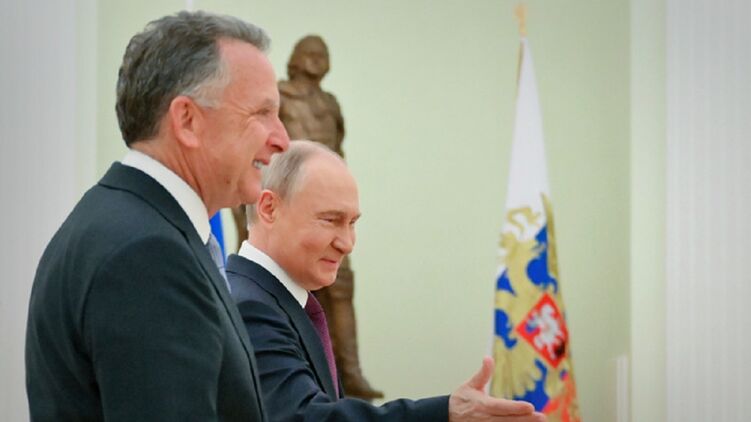
After U.S. presidential envoy Steve Wittkoff met with Russian President Vladimir Putin, Russian presidential aide Yuri Ushakov gave a measured comment on the state of the negotiating process.
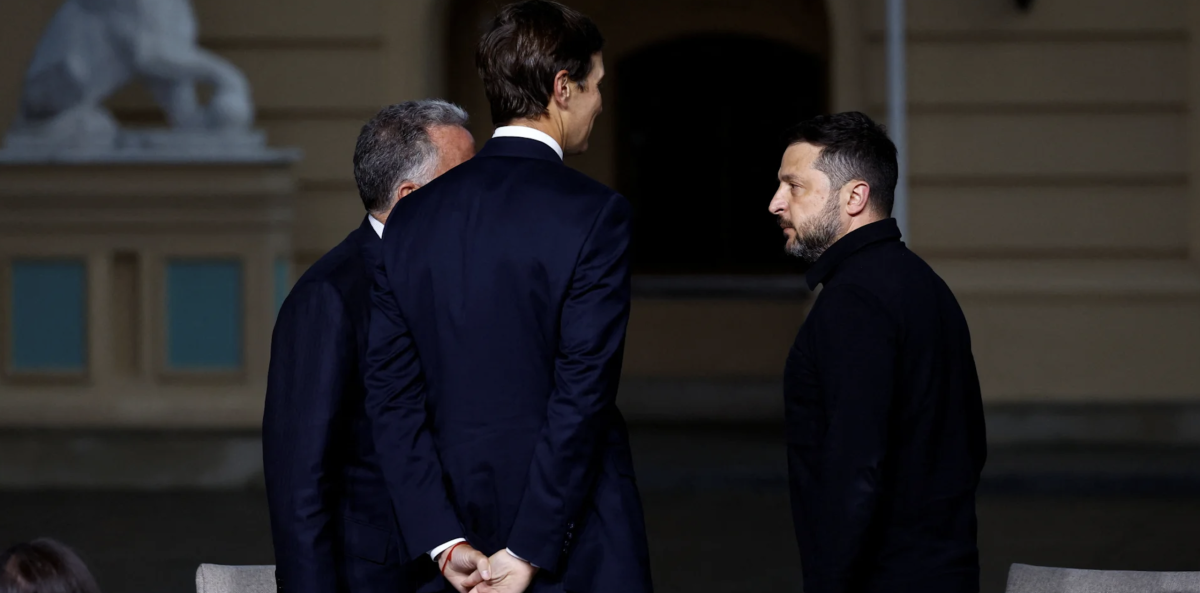
According to Ushakov, at talks with Ukrainian President Volodymyr Zelensky and European representatives in Oslo, Wittkoff “sensed new nuances,” but “Russia is not fully satisfied with them.” At the same time, Putin’s aide noted that “the Europeans have begun to think more seriously about the Ukrainian crisis.”
The key outcome of the meeting was Putin’s agreement to resume trilateral talks. Judging by Ushakov’s comments, these talks will concern security arrangements following the end of the war. Kyiv is insisting on security guarantees that would rule out a new invasion. Moscow, for its part, is demanding neutral status for Ukraine and a new security architecture in Europe.
The territorial question remains unresolved. Kyiv is insisting on halting the war along the current front line, while Moscow demands the transfer of the entire Donetsk region to Russia. There are no signs so far that either side’s position on this issue has changed. This may explain Ushakov’s caveat that the new approaches from Kyiv and the Europeans do not “fully satisfy” Russia.
Ushakov also stated that, in his view, “things are moving toward the end of the war,” without explaining what grounds he has for such a conclusion.
Against this backdrop, an article in the American magazine The Atlantic has been widely quoted, citing Trump aides as claiming that the U.S. president wants to secure a peace agreement by December — in order to announce it at the G20 summit. The article was written in the spirit of the narrative that “Ukraine is being pushed toward capitulation.” The publication is characterized as clearly unsympathetic to Trump, which calls into question how accurately the article reflects reality.
What exactly the “new approaches” from the Europeans and Kyiv that Ushakov hints at actually mean, and whether his forecasts reflect genuine movement toward compromise, remains unclear. Also open is the question of whether the parties are truly prepared to make concessions, or are merely projecting a willingness for peace in order to extract something from Trump and cast the other side as the main party responsible for the continuation of the war.

 English
 Русский