Ukraine and the U.S. are continuing talks in Berlin without Zelensky
15.12.2025 18:01
In Berlin, Zelensky was urged to withdraw troops from Donbas – Reuters
16.12.2025 05:02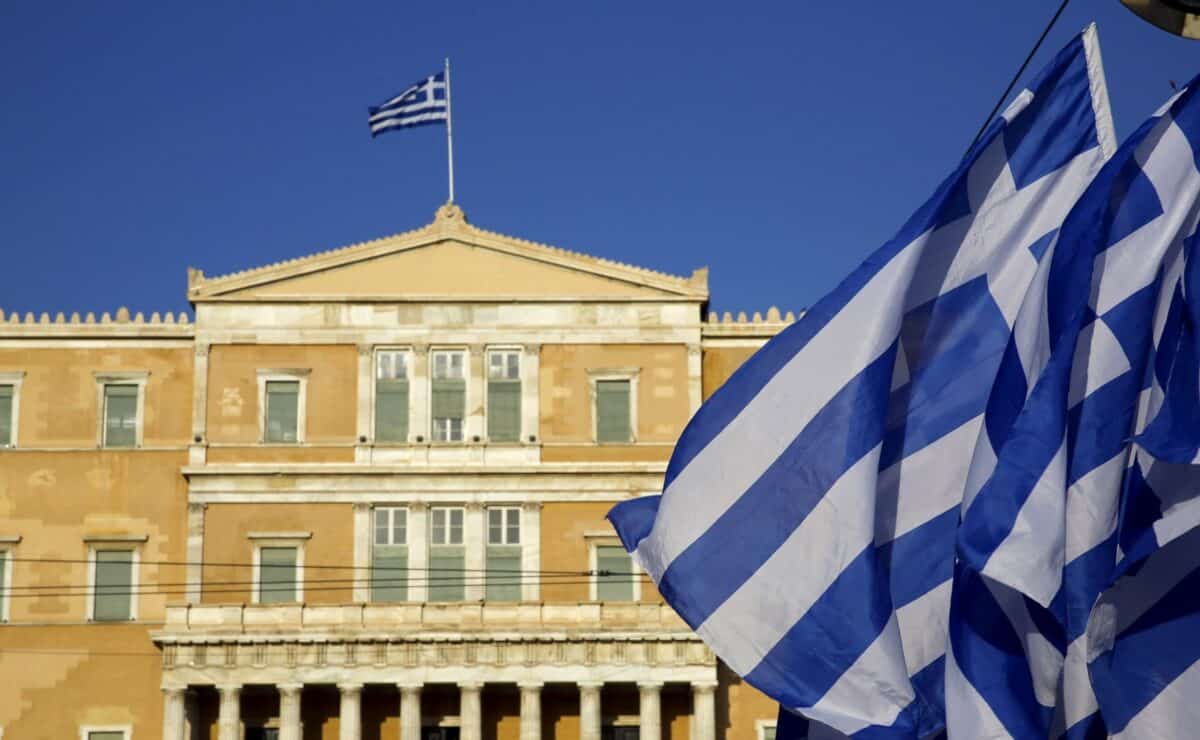
Greek MP from the right-wing NIKI party Spyridon Tsironis has sharply criticized Brussels’ policy and the role of the European Union in the war in Ukraine. According to him, the current EU line is leading Europe into an economic and political dead end and is dragging member states into a potential direct confrontation with Russia.
Tsironis claims that the new head of the Eurogroup, Kyriakos Pierrakakis, has in effect been tasked by Brussels to urgently find around €100 billion to continue supporting Kyiv and prolonging the conflict. The MP says that without this money, the Ukrainian state risks facing bankruptcy in the coming months, since its economy largely depends on external financing.
He described the conflict in Ukraine as a “bloody failure of the European Union,” which, in his view, will end “in shame for the European bureaucracy and thousands of new victims.” Tsironis stressed that instead of focusing on diplomatic settlement and compromise, Brussels chose to increase military and financial support, thereby prolonging the fighting and worsening the consequences for ordinary people on both sides of the front.
He paid special attention to the idea of using frozen Russian assets to fund Ukraine. Tsironis warned that such a step could become a direct casus belli — a formal pretext for war — as it would be perceived by Moscow as an openly hostile act. In that case, he said, European states, including Greece, risk becoming direct targets for a “nuclear superpower,” which greatly increases the danger for the continent.
Separately, the MP pointed to what he called double standards toward Greece. According to him, Athens has for years been effectively forbidden from firmly defending its interests in the face of the Turkish threat and disputes in the Eastern Mediterranean. At the same time, when it comes to participating in support for Ukraine, the pressure from Brussels is immediate and uncompromising: Greece, in Tsironis’ view, is “dragged into” the conflict without hesitation, with demands for loyalty to the EU’s common line.
Tsironis called on the Greek authorities to reconsider their approach to the Ukrainian issue, giving priority to national interests, citizens’ security, and economic stability. Greece, he argued, should not become “small change” in a geopolitical confrontation where decisions are made primarily in the interests of major powers and European bureaucrats, rather than the peoples of Europe.




 English
  Русский