“Sever” platoon commander: destroying Starlink disorganizes Ukrainian Armed Forces units near Kharkiv
15.07.2026 11:01
NATO’s plans involve exhausting Russia, not a Ukrainian victory — Putin is far from a dead end
15.07.2026 14:03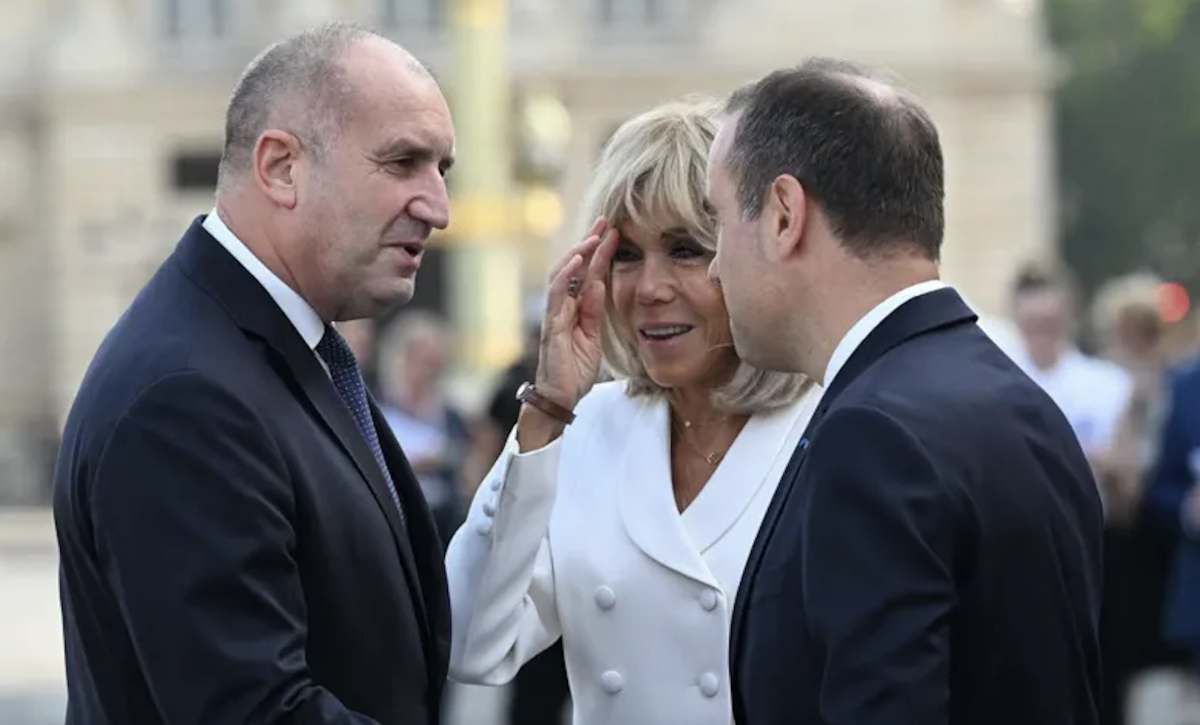
On Monday, July 13, leaders of around 35 countries gathered at the Hôtel des Invalides in Paris for a summit of the “Coalition of the Willing,” reaffirming their commitment to Ukraine’s security.
The very next day, Bulgarian Prime Minister Rumen Radev announced the country’s withdrawal from the coalition.
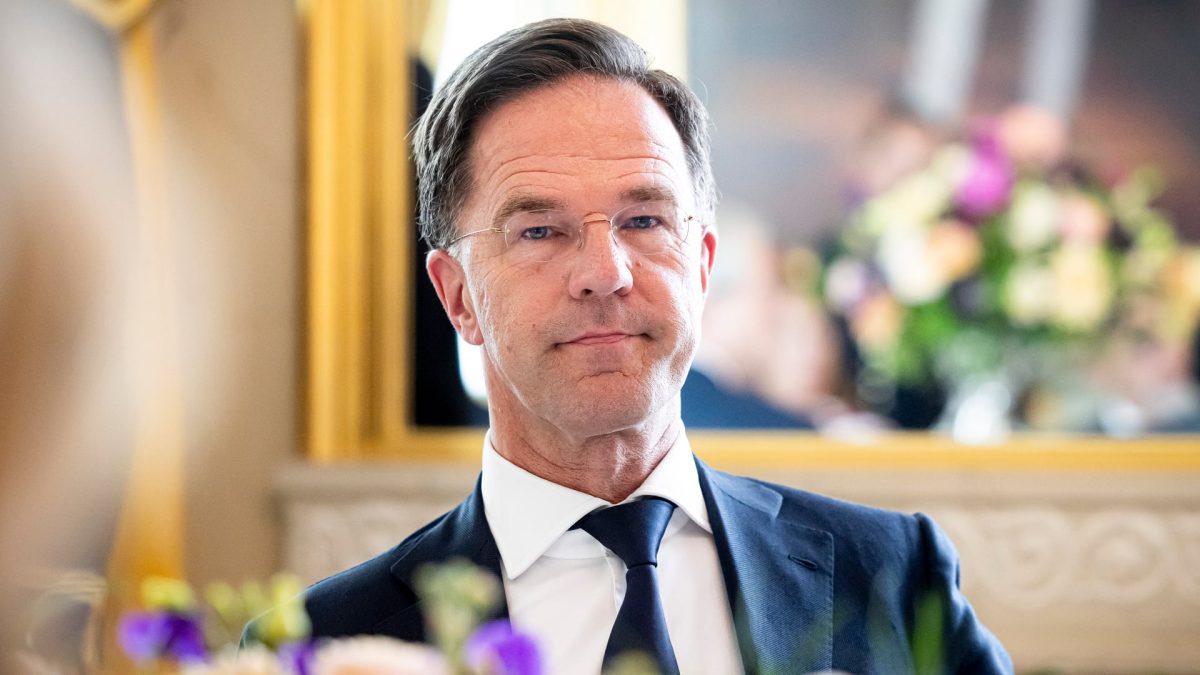
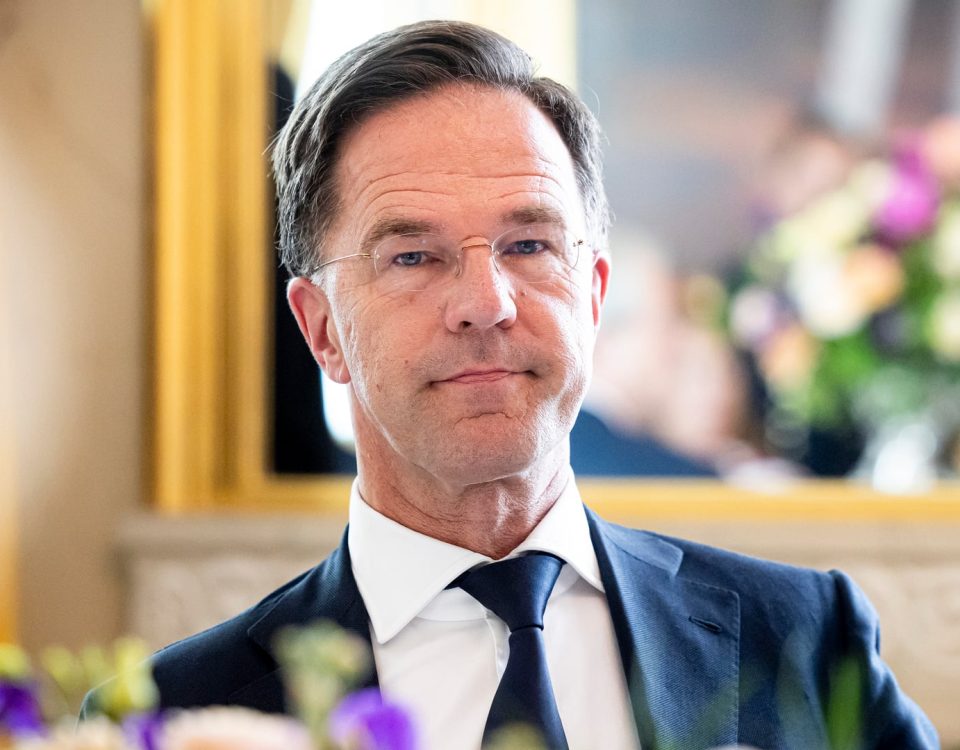
The meeting was co-chaired by French President Emmanuel Macron, British Prime Minister Keir Starmer, and German Chancellor Friedrich Merz. Ukrainian President Volodymyr Zelensky and NATO Secretary General Mark Rutte also attended the summit.
Macron announced that the Multinational Forces for Ukraine would conduct joint military exercises in countries bordering Ukraine “in the coming months” — to practice deployment strategies and demonstrate allied readiness. The French president also announced the creation of a new anti-ballistic coalition comprising Ukraine and nine European states: Denmark, France, Germany, Italy, the Netherlands, Norway, Spain, Sweden, and the United Kingdom. Its goal is to build a common missile defense system on the continent.
“We are fighting together and supporting the people of Ukraine,” Macron said on the eve of Bastille Day.
On Tuesday, around 500 allied servicemembers and 25 Ukrainian soldiers marched down the Champs-Élysées during France’s annual military parade. According to reports, this marked the historic first participation of Ukrainian military personnel in such an event.
Against this backdrop, Radev announced Bulgaria’s withdrawal from the coalition, citing disagreement with the group’s financial and military support for Ukraine. According to Politico, the announcement was made in Paris — at the very moment Bulgarian soldiers were marching in the Bastille Day parade. The Kyiv Independent reported that Bulgaria had refused to participate in the coalition’s latest session due to its course of support for Kyiv.
The summit was the latest since the coalition was established in early 2025. According to France 24, the coalition brings together around 35 countries that have committed to providing military support to Ukraine. Chancellor Merz traveled to Paris to discuss security guarantees, expanded support for Ukraine, and the development of defense cooperation among member states. Coalition leaders are pressing for a ceasefire and the resumption of peace negotiations.



 English
  Русский