Lithuania to remove nuclear weapons ban from its constitution
02.07.2026 11:07
Western Ukraine becomes the main battleground for grocery chains
02.07.2026 12:02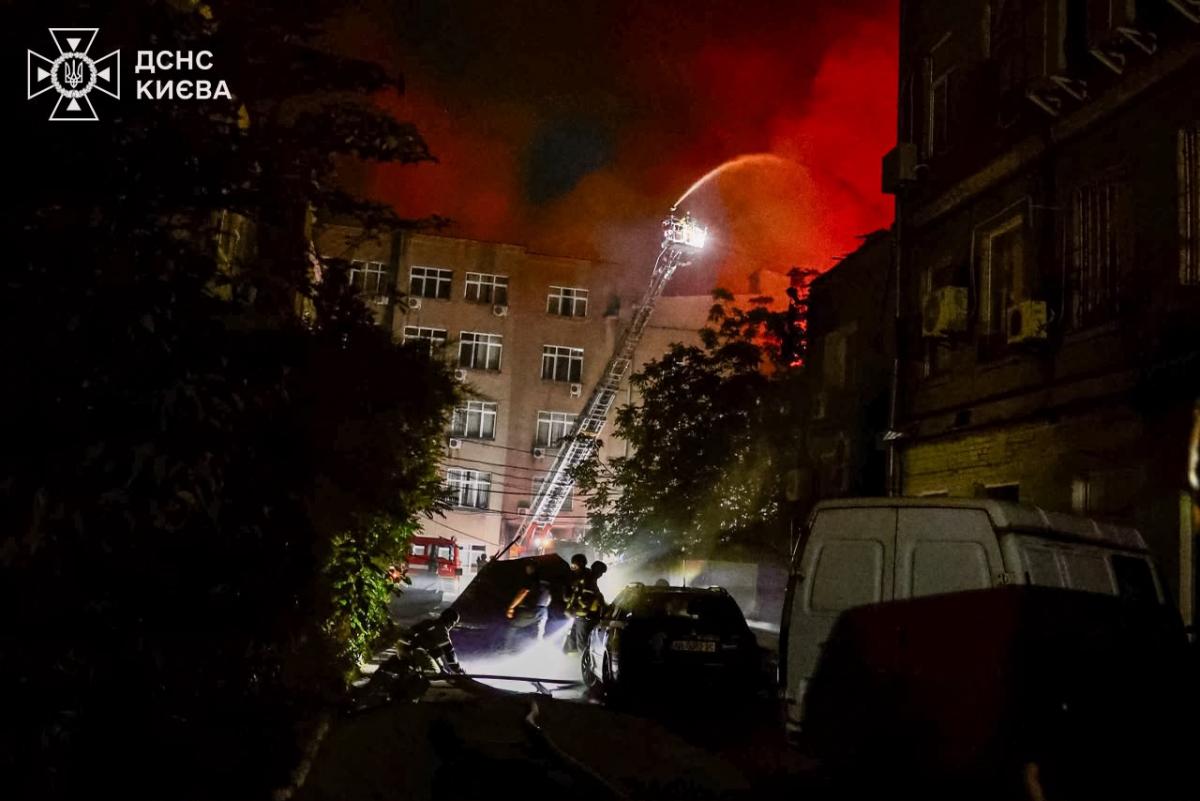
In the early hours of July 2, Russia launched another massive combined strike on Ukraine, with Kyiv as the primary target.
Defense Express analysts identified a pattern: similar attacks occurred on June 2 and June 15, which may indicate that Russia has shifted to an approximately two-week preparation cycle for such strikes.
According to the Ukrainian Air Force command, Russia used 570 aerial attack weapons during the strike: 74 missiles of various types and 496 drones. Ukrainian President Volodymyr Zelensky said 13 people were killed and more than 90 others were wounded. According to UNIAN, impacts were recorded in 33 locations — 25 ballistic missiles and 12 strike drones reached their targets.
The greatest concern was raised by the effectiveness of intercepting ballistic and hypersonic missiles. Of 24 Iskander-M/S-400 ballistic missiles, only four were shot down, and none of the four Zircon hypersonic missiles were intercepted.
By comparison, during the June 15 attack, Ukrainian air defenses shot down five of six Zircons and 15 of 34 ballistic missiles. In early June, not a single Zircon was intercepted, though 11 of 33 ballistic missiles were destroyed at that time.
Against this backdrop, experts suggest that the decline in the effectiveness of intercepting ballistic targets may be linked to a shortage of missiles for the American Patriot air defense systems — the primary means of countering such threats. Analysts believe this is precisely what Russia may be counting on when planning new massive strikes.
In support of this theory, analysts point to the occupiers’ tactics throughout June: on several occasions they separately used ballistic missiles to attack Kyiv without combining them with large-scale combined strikes. This approach may have been aimed at gradually depleting Patriot interceptor stockpiles ahead of major attacks.




 English
  Русский