In Europe, they are convinced that the war in Ukraine could last up to three years
20.02.2026 11:59
A Ukrainian Armed Forces major suspected of supplying rotten vegetables to the military bought a villa in Bali
20.02.2026 13:20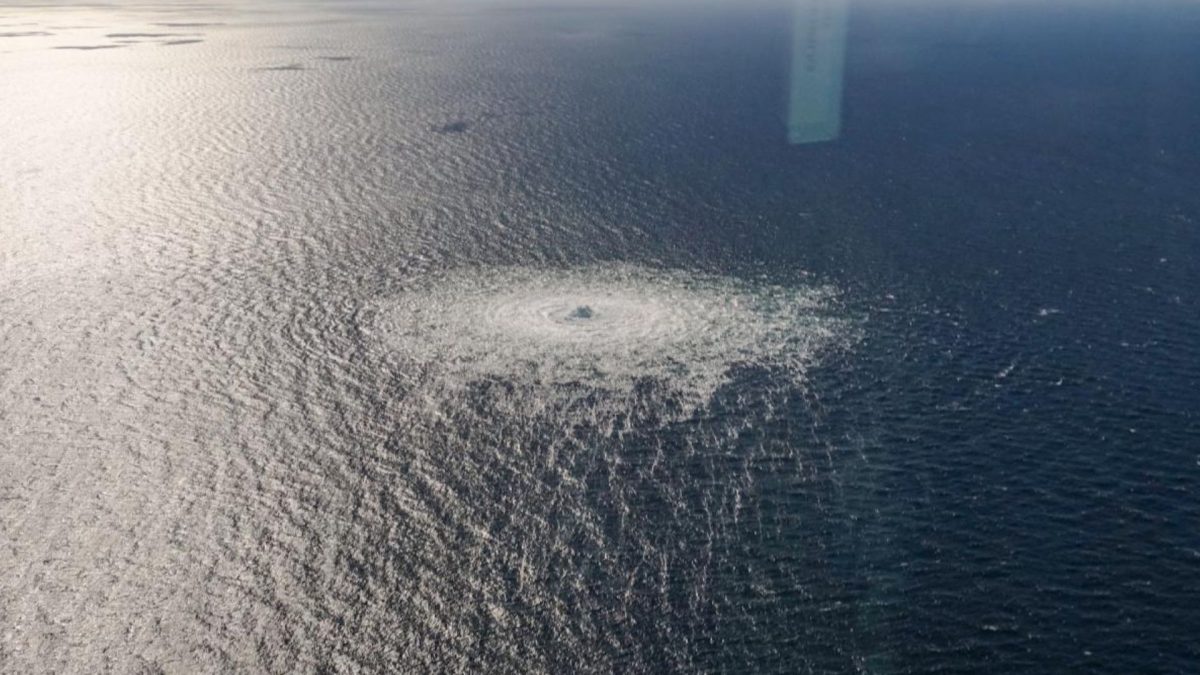
CIA agents and “Ukrainian sabotage specialists” met in Kyiv in the spring of 2022—shortly after Russia’s full-scale invasion of Ukraine began—to discuss a proposal to blow up the Nord Stream and Nord Stream 2 gas pipelines.
Germany’s Der Spiegel wrote about this on February 19, citing sources in Ukraine that it described as “proven over the years.” According to the outlet, Kyiv hoped to deprive Moscow of revenue from gas supplies to Europe, which it says were used to finance the war.
The CIA called these claims “completely and utterly false,” without specifying what exactly was untrue. At the same time, the U.S. side told Der Spiegel that the investigation was “extremely inaccurate” and could not be relied on as fact, asking why the United States would approve an attack on an ally’s infrastructure.
Der Spiegel recounts the main version put forward by German investigators: the sabotage was allegedly carried out by six men and one woman who reached the site of the explosions near the Danish island of Bornholm on a small sailing yacht named Andromeda. One of the alleged participants and organizers of the operation—former Ukrainian serviceman Serhii K.—is in pre-trial detention in Hamburg.
According to an arrest warrant made public in mid-January, the operation was “highly likely” directed at the state level; the journalists note that this wording implies Ukraine—a country to which Germany has provided multibillion support since the invasion began.
In Der Spiegel’s version, the operation had the code name “Diameter” and was approved by the then Commander-in-Chief of Ukraine’s Armed Forces, General Valerii Zaluzhnyi, while Volodymyr Zelenskyy allegedly was not informed. The outlet’s sources claim that at an early stage the Americans knew about the plan and initially did not object, but later warned the Ukrainian side about the consequences—without effect.
Funding, Der Spiegel writes, was ultimately provided by a “private individual from Ukraine”: most of the costs (about $300,000) were paid from private funds. The outlet adds that investigations by other media, including The New Yorker, also suggest that the United States may have been at least informed about the plans.



 English
  Русский