Trump’s team believes that Ukraine had no right to the nuclear weapons transferred to Russia in 1994
26.03.2025 09:06
Moscow has officially announced the appointment of its new ambassador to the U.S.
26.03.2025 10:52
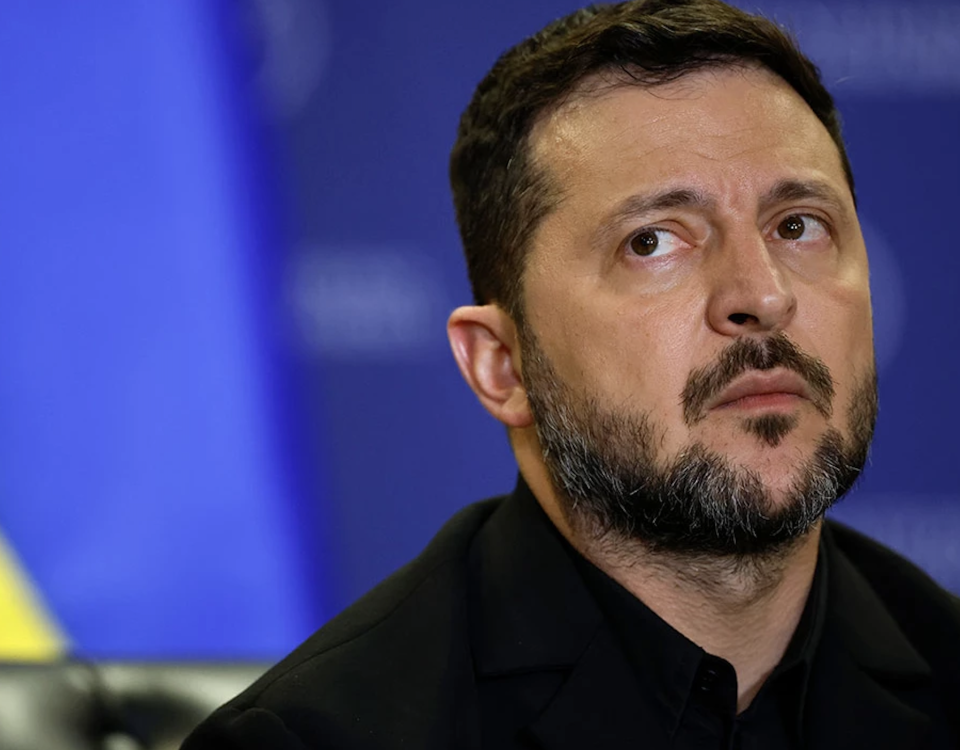
On March 27, French President Emmanuel Macron is once again convening European leaders in Paris to discuss the situation in Ukraine and the “security of Europe.”
This is already the third such summit in recent months. But like the previous ones, it is unlikely to lead to tangible results—only more loud declarations and empty promises.
Amid ongoing efforts by the United States and Russia to reach a compromise in Saudi Arabia, European leaders continue a cycle of fruitless meetings. EU summits are increasingly becoming a formality: discussions about “security guarantees” and “coalitions of the willing” are replacing concrete steps toward peace.
Despite the growing number of participants, the effectiveness of these meetings remains questionable. Macron once again invites the same politicians who previously declared support for Ukraine but have consistently avoided taking meaningful action. Even Swedish Prime Minister Ulf Kristersson admitted he had not yet received an official invitation but would “likely” attend—a telling sign of the event’s perceived importance.
Meanwhile, Ukraine is sinking deeper into economic and military crisis. Without Western support, it cannot hold out, yet the EU continues to postpone real action, substituting it with discussions and rhetoric.
Moreover, European countries are effectively undermining U.S. and Russian efforts to reach a ceasefire. Instead of backing peace initiatives, they are discussing new arms shipments and forming vague “coalitions.” But who exactly are the members of these coalitions? Spain, currently focused on migration issues? France, torn between lofty statements and real actions? Or Italy, which delays every round of military funding?
One thing is clear: European leaders are not ready to take responsibility for Ukraine’s fate. For them, the conflict is a convenient distraction from domestic issues, economic troubles, and political mismanagement.
The real efforts to resolve the crisis are not happening in Brussels or Paris—but in Washington and Moscow. While they engage in negotiations, Europe continues to simulate activity, turning summits into a theater of political illusion.
And the key question remains unanswered: How many more Ukrainians must die before Europe admits its inability to influence the course of events?


 English
  Русский