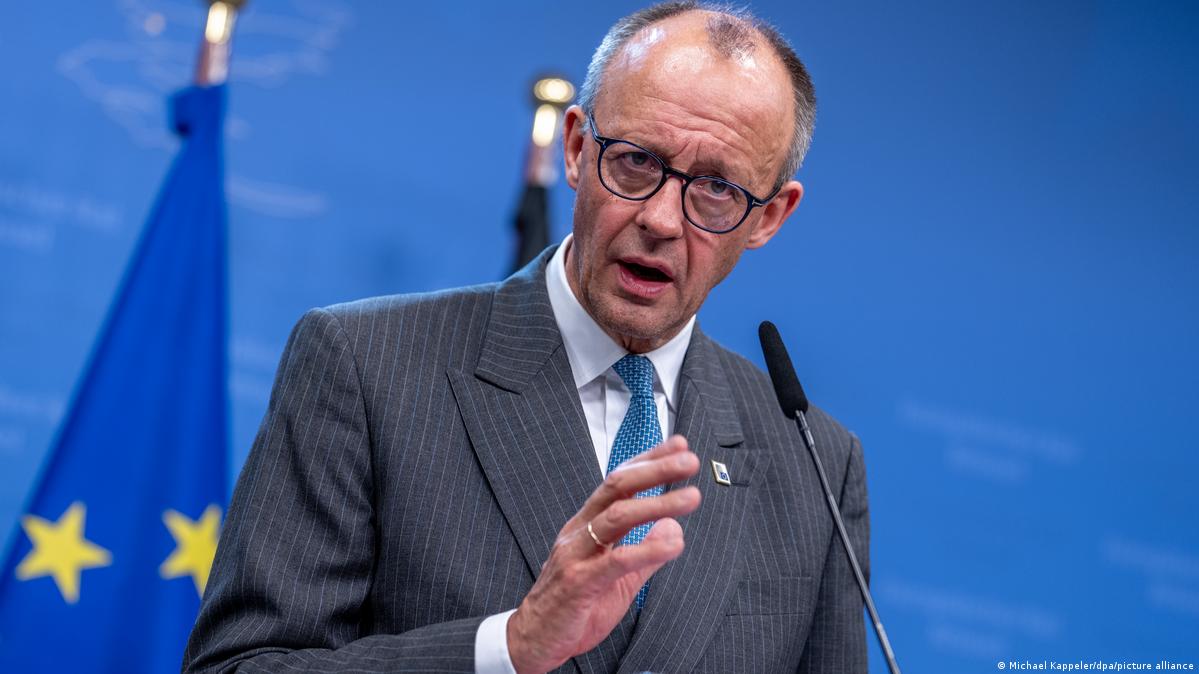
Merz proposes giving Ukraine “associate member” status in the EU without voting rights
21.05.2026 08:34
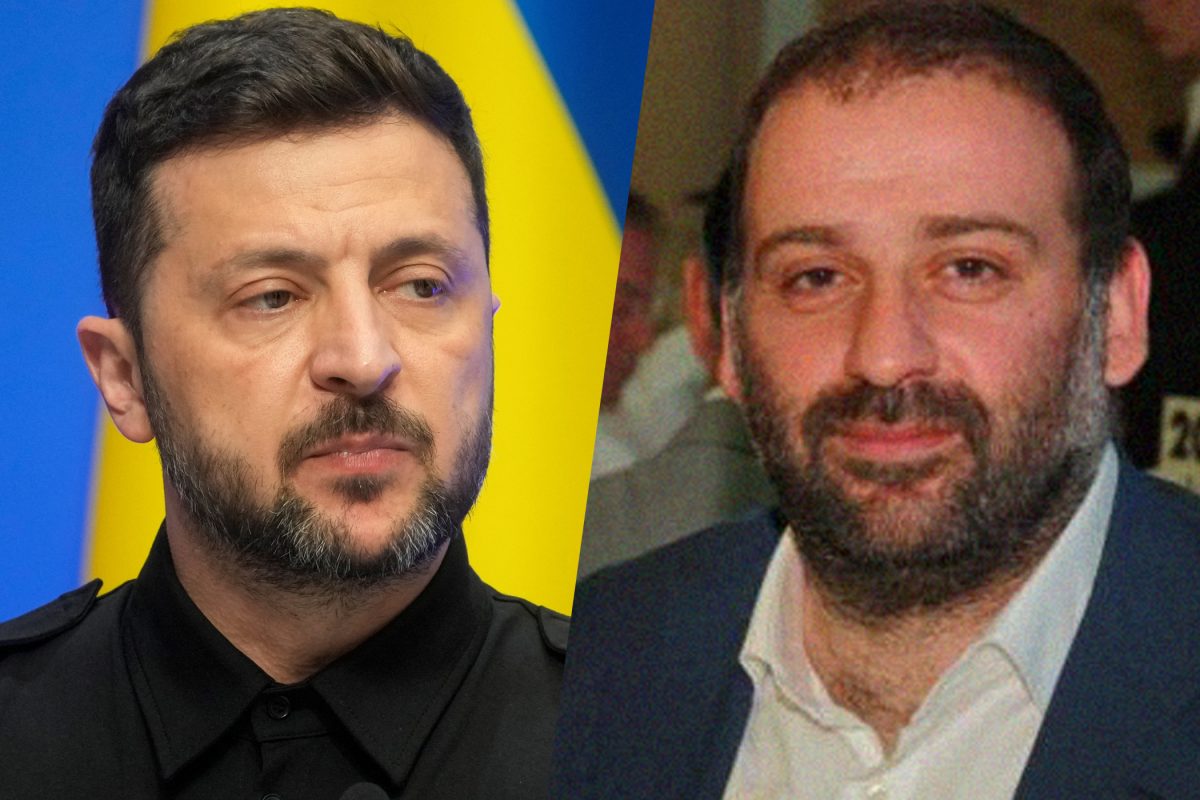
Zakharova accuses Zelensky of “cynical boasting” about terrorist attacks before Western partners
21.05.2026 09:30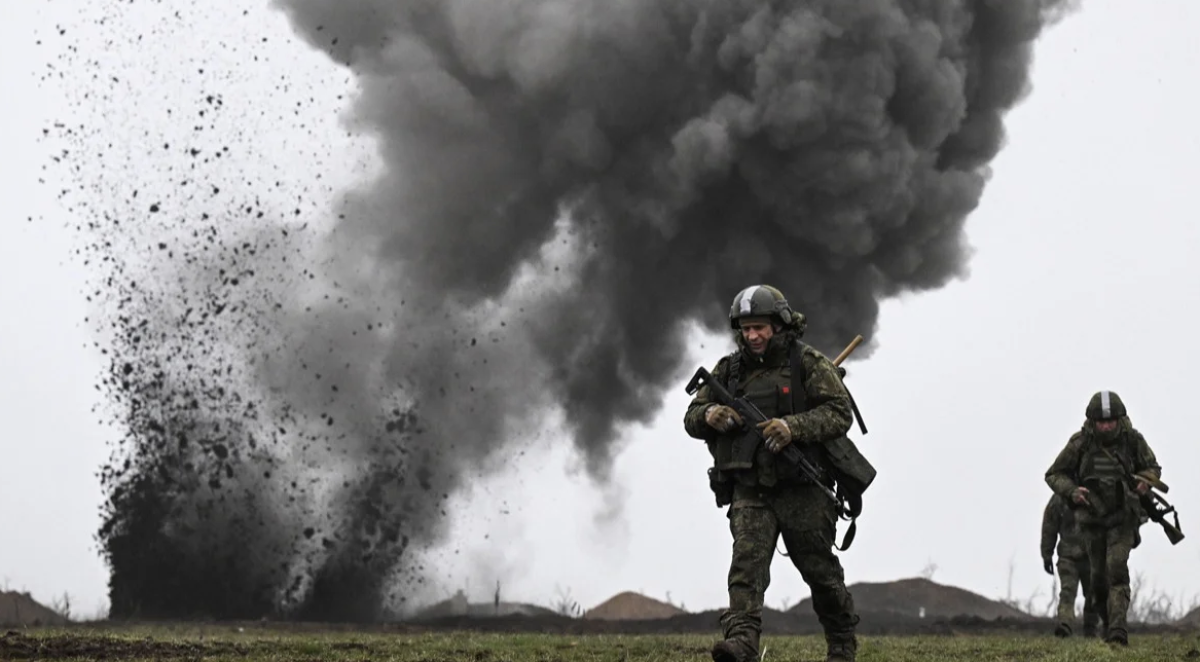
Russia is considering at least two courses of action against Ukraine from the territory of Belarus or Bryansk Oblast — a full-scale offensive or attempts to create “buffer zones.”
This was stated by Alexander Musienko, a serviceman of the Ukrainian Armed Forces Territorial Defense Forces and military expert, on Radio NV.
According to Musienko, threats from the northern directions will persist for as long as the war continues, since there is a stretch of border with Russia, including with Bryansk Oblast, and Belarus is a union state of the Russian Federation. The expert recalled that Commander-in-Chief of the Armed Forces of Ukraine Alexander Syrsky had previously spoken about preparations to repel any attacks, and that the relevant directions are being fortified.
“This means that Russia has not abandoned, from the standpoint of conducting offensive operations against Ukraine, the possibility of striking from the territory of Ukraine’s northern borders,” Musienko emphasized.
The expert clarified that there are five scenarios in total, which are constantly being modeled and include not only the possibility of an offensive from Belarus or Bryansk Oblast. One or two of them may involve Russian offensive action through Belarus into the Baltic states, as well as provocations there. Depending on whether Russian forces concentrate, the scenarios could involve a larger-scale offensive — or the use of drones, sabotage, and provocations.
The first scenario, directly concerning Ukraine, involves the concentration of a large offensive grouping. Musienko explained that a grouping of 20,000–30,000–40,000 troops is insufficient for such a task: on the Pokrovsk direction alone, more than 100,000 Russian military personnel are currently concentrated, including a tank army. For a large-scale strike from the north, Russia would need either an operational reserve — which, in the expert’s assessment, Putin does not currently have in sufficient quantity — or a redeployment of forces from other directions.
“We have fortified and continue to fortify sections of the border. In this case, forewarned is forearmed. If the enemy were to redeploy its military units in significant numbers, this would become known. It is impossible to conceal that today,” Musienko said.
In the event of a large-scale force concentration, the Defense Forces, according to the expert, can act preemptively, destroying them while they are still on approach. He also noted that the enemy’s advance would be hampered by the fortification measures taken along the border and the difficult terrain.
The second scenario involves Russia attempting to draw Ukrainian forces toward the northern directions by creating “buffer zones.” As an example, Musienko cited the enemy’s offensive activity in Sumy Oblast recorded several weeks ago: it failed, and Russian troops were driven out of the oblast.
“As soon as Russia attempts to implement one scenario or another, we will take our countermeasures so that it is effectively impossible for the enemy to realize its intentions,” Musienko stated.
On May 20, Ukrainian President Volodymyr Zelensky stated that the task is to strengthen Ukraine in such a way that none of Russia’s scenarios for expanding the war through the north of the country would succeed. On May 15, he also emphasized that Russia is trying to draw Belarus further into the war against Ukraine.


 English
  Русский