Zelensky: trilateral talks on Ukraine only after State Duma elections
11.09.2026 12:02
Ukraine cuts spending amid defense deficit of around €23.2 billion
11.09.2026 13:02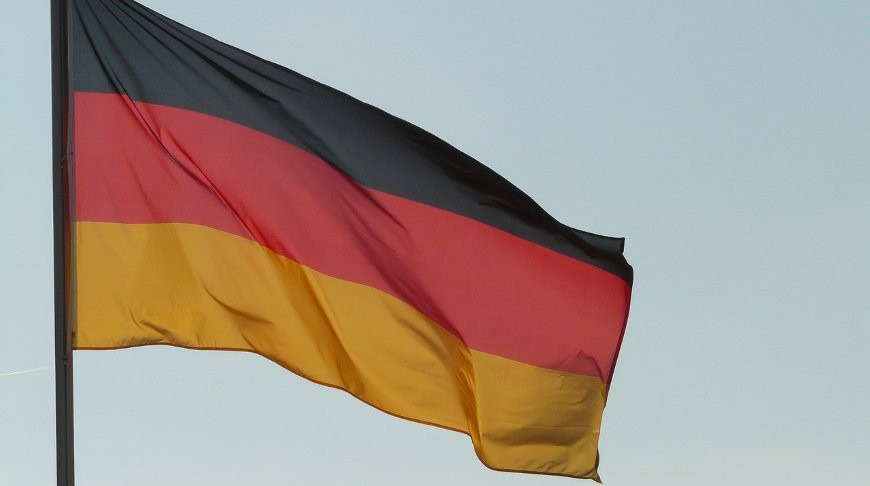
The German government redirected more than a third of the additional borrowing raised in 2025 under the exemption for defense and security spending to non-military purposes.
That is the conclusion reached by the Munich-based economic research institute Ifo in a study published on Thursday.
Of the €28.6 billion borrowed under the exemption, €11 billion did not result in any real increase in defense and security spending — corresponding to a misallocation rate of 38.5%.
“Instead, the fiscal space freed up in the main budget was used for other purposes,” said Ifo researcher Emily Hösslinger.
Where the money went
Government spending covered by the sectoral exemption — which applies to defense, aid to Ukraine, cybersecurity, civil defense, and the intelligence services — stood at €54.6 billion in 2024 and rose to €72.2 billion in 2025. With spending up by €17.6 billion, additional borrowing under the exemption reached €28.6 billion, creating an €11 billion gap that was absorbed by the general federal budget.
Among specific instances of misallocation, the Ifo institute found that €900 million from the defense exemption funds was directed to the federal road company Autobahn GmbH.
The largest legitimate increase in defense spending came from ammunition procurement, which rose by €2.32 billion. Military research and development, however, remained at a low level — €883.8 million, or just 1.2% of total spending under the exemption. Hösslinger warned that this spending structure neglects forward-looking areas, in particular unmanned systems and cyber defense.
Government reaction and NATO context
Germany’s finance ministry did not respond to a request for comment from Reuters. The government has repeatedly been accused of using borrowed funds freed up by budget reforms to finance current expenditure. The Ifo institute previously found that 95% of debt classified as infrastructure-related in 2025 was redirected in a similar manner.
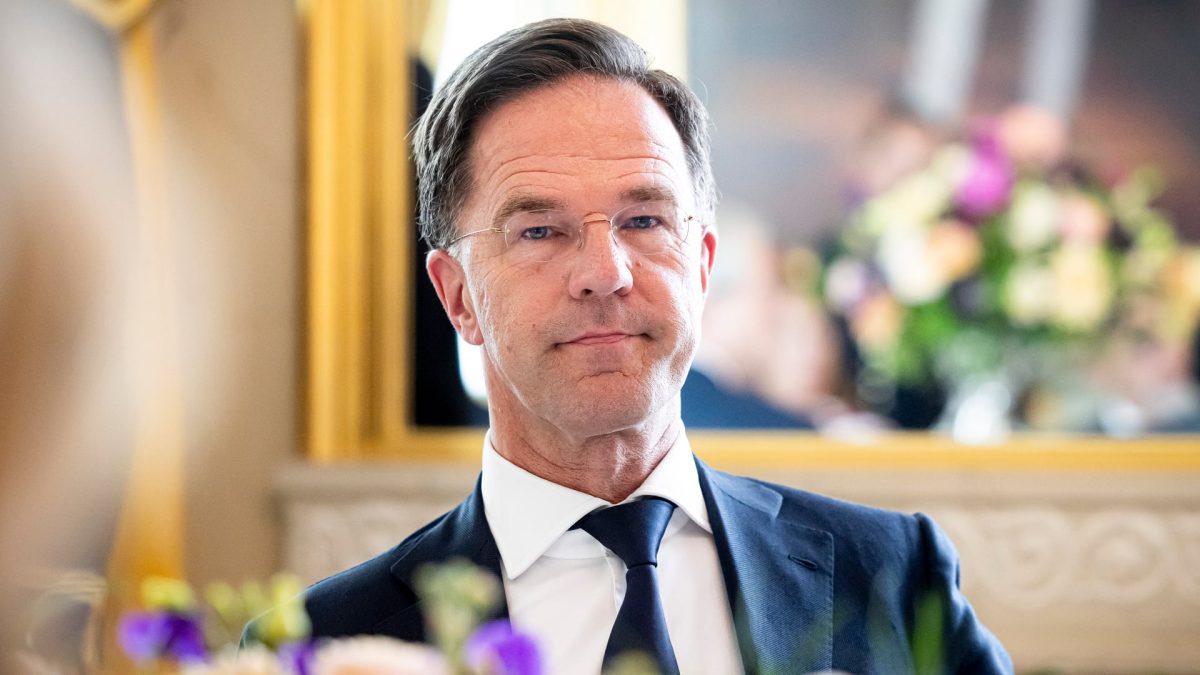
On the same day in Berlin, German Foreign Minister Johann Wadephul appeared alongside NATO Secretary General Mark Rutte, calling on allies to accelerate weapons production in the face of “growing Russian aggression, including an attempted drone attack on Leipzig airport” last month, which German investigators have linked to Russian intelligence services.
Wadephul stressed that allies must “invest more in defense, produce weapons faster, and procure them more quickly.” He also assured that Berlin would continue to increase defense spending and provide Ukraine with military assistance — primarily air defense interceptor missiles ahead of winter.
The Ifo analysis adds to a growing body of evidence that Germany’s reform of its “debt brake,” which created sectoral exemptions for defense borrowing above 1% of GDP, has given the government budgetary room that goes beyond its stated objectives.


 English
  Русский