Germany detains two Turkish nationals in connection with arson attack on Polish Starlink station
13.10.2026 15:32
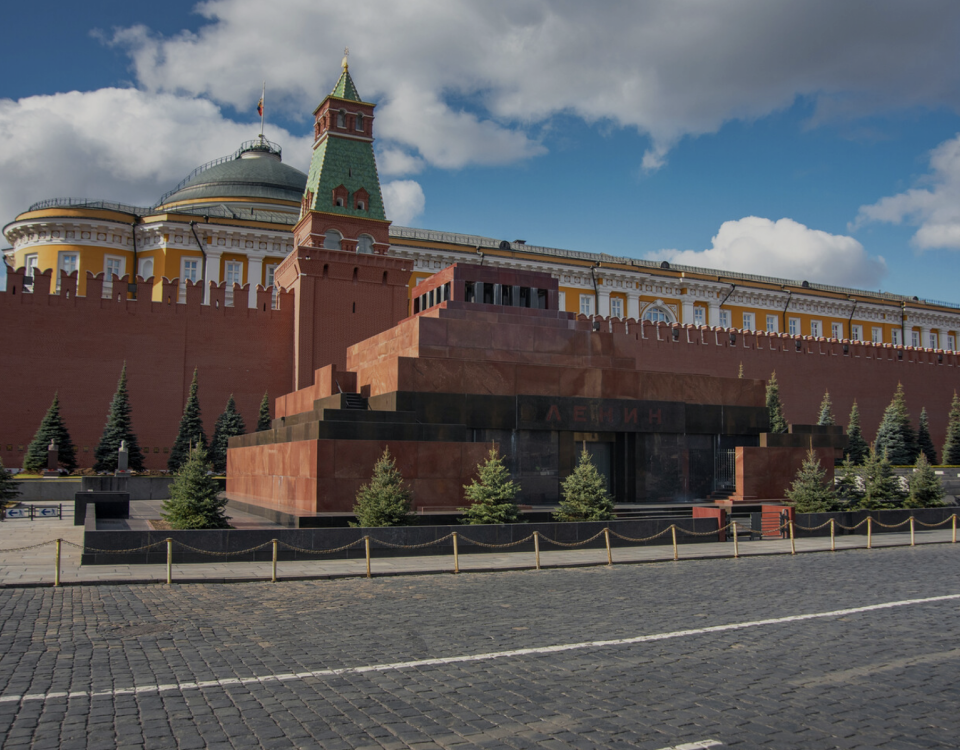
Rada deputy calls for ballistic missile strike on Lenin’s mausoleum
13.10.2026 17:04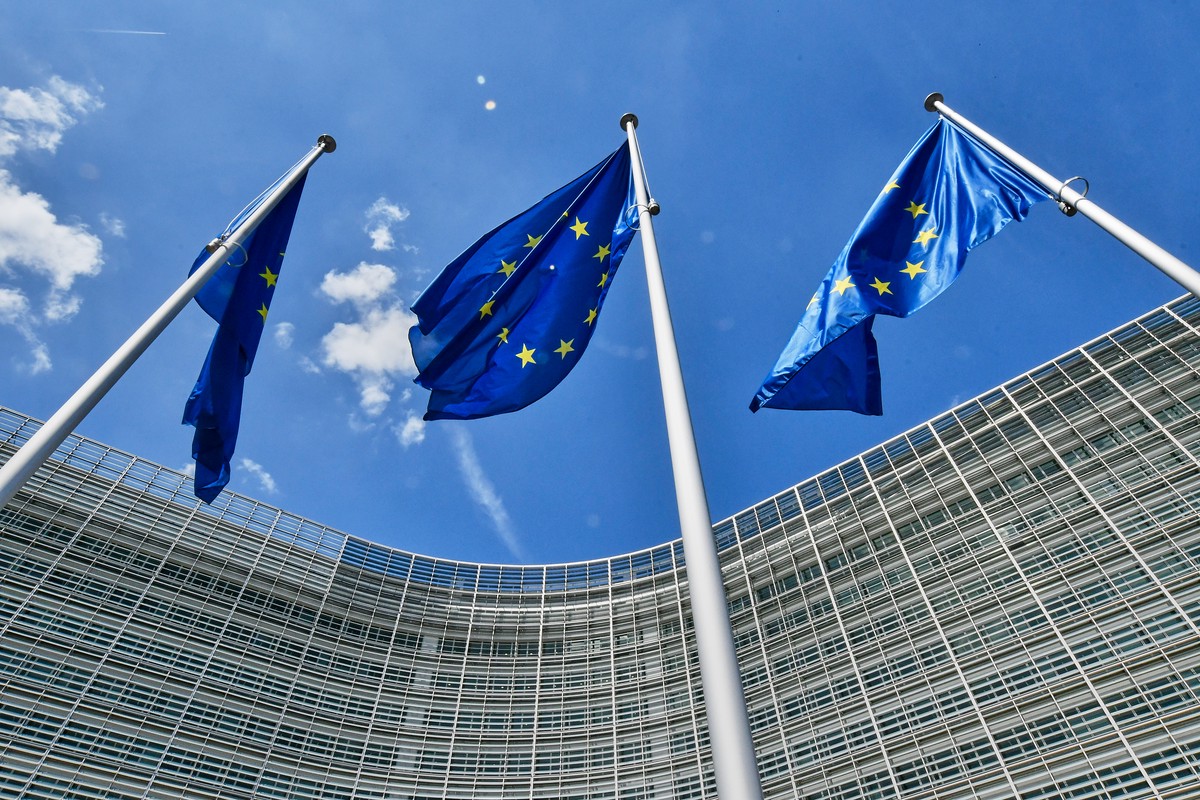
The leaders of Germany, Italy and Belgium have sent a joint letter demanding the creation of a mechanism that would allow national governments to block new legislative initiatives from Brussels if they prove too costly for member states and businesses.
This was reported by Politico, which reviewed the text of the letter.
The letter to European Council President António Costa was signed by German Chancellor Friedrich Merz, Italian Prime Minister Giorgia Meloni and Belgian Prime Minister Bart De Wever. The document is dated Monday, October 12 — three days before the European Council summit in Brussels, which will take place on October 15–16. According to Politico, the leaders want to introduce an “emergency brake” to help restore the competitiveness of the bloc’s weakening economy.
What the letter proposes
According to information from Palazzo Chigi — the office of the Italian prime minister — the letter contains three specific requests. The first is to introduce a fast-track regime for investment in priority sectors, primarily energy and digitalization. The second is to curb the emergence of new bureaucratic burdens. The third is to broadly reduce EU reporting obligations, especially for small and medium-sized businesses.
In addition, the leaders asked the EU to “significantly accelerate planning and approval procedures” and proposed introducing a new “priority rule” under which “certain areas of regulation” would be suspended “for a defined period.”
“Our shared goal is to prevent unnecessary regulatory requirements and the associated costs from leading to an irreversible loss of European industrial capacity and further weakening investment and competitiveness,” the letter states.
The letter does not explain exactly how the “brake” would work in practice or which body would be able to activate it. According to Politico, the document repeats demands the leaders first put forward in March, following the competitiveness summit. The letter came after a meeting of the informal “Friends of Competitiveness” group held the previous week.
A packed summit agenda
Under the EU’s ordinary legislative procedure, the European Commission proposes laws, which the Council of the EU and the European Parliament then adopt jointly. A national government veto on cost grounds would add yet another check to this process.
The first item on the summit’s provisional agenda is the European economy, including energy prices. Leaders will also discuss funding for Ukraine and the EU’s long-term budget for 2028–2034.
Speaking on Monday, October 12, at the Assolombarda industrial association in Milan, Meloni linked regulatory simplification to high energy costs. She said she would personally push at the summit for flexibility in fiscal rules to deal with inflation. Meloni also stated that Italy opposes funding competitiveness through cuts to cohesion policy and agriculture spending.
“Italy is not in Europe to always say yes,” Meloni said.

 English
  Русский