Former adviser to the Ukrainian president’s office receives suspended sentence in Ukrzaliznytsia embezzlement case
13.10.2026 14:08Germany detains two Turkish nationals in connection with arson attack on Polish Starlink station
13.10.2026 15:32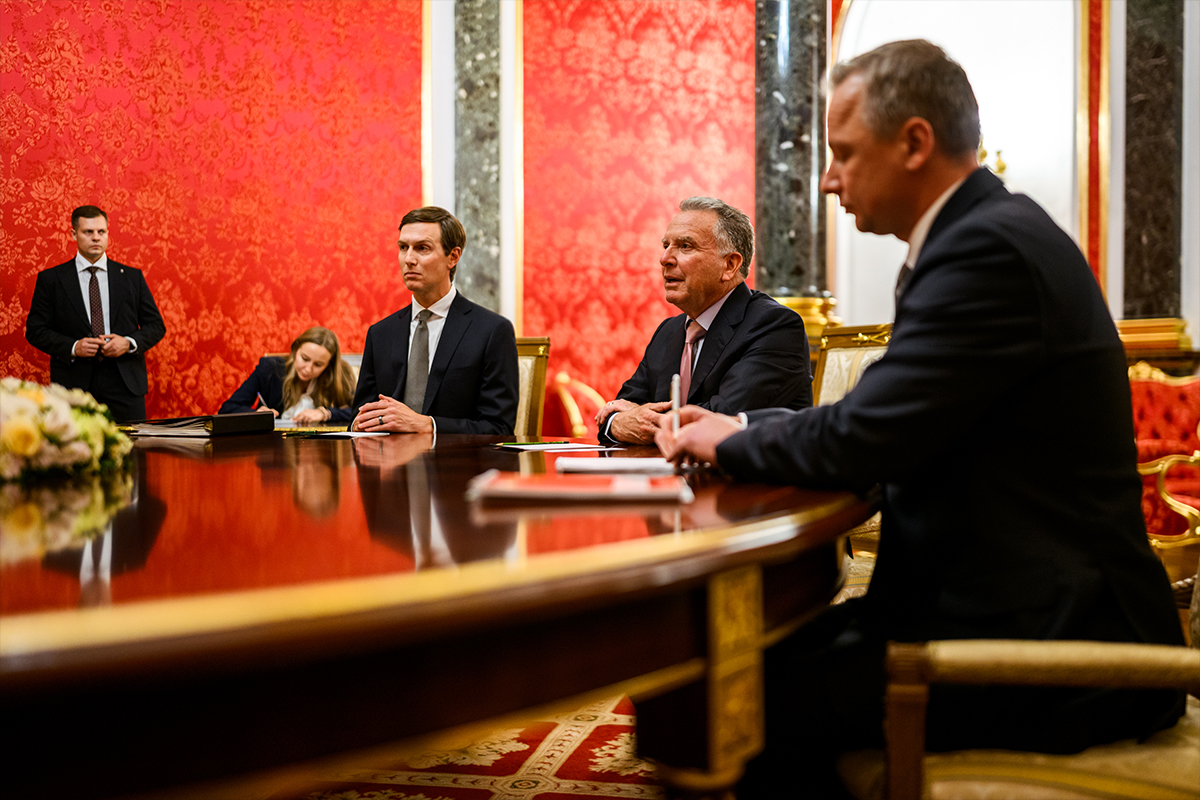
The dispute between Donald Trump and Volodymyr Zelensky over Russian diesel fuel and Ukrainian strikes on Russian oil refineries has grown into the biggest crisis in Washington-Kyiv relations since the Oval Office scandal in February 2025 — that is the assessment of The New York Times.
Three weeks before the U.S. midterm elections, the future of American support for Ukraine is once again in question.
The conflict began on Friday, October 9. Trump announced that he had reached an agreement with Putin: Russia would release diesel fuel onto world markets and sanctions on it would be eased. Zelensky called it a “weak decision.” On Saturday, Trump responded: “I suggest they find a new leader who can make a deal,” adding that Zelensky “better, the hell, stop” striking Russian refineries.
Threats over intelligence and weapons
Over the weekend, American officials called Kyiv and European capitals. According to the Financial Times, as cited by The Hill, they threatened to suspend intelligence sharing and the operation of Ukraine’s Priority Requirements List (PURL) if the strikes on refineries did not stop. PURL is a NATO-supported system through which European countries purchase American weapons for Ukraine. One European official confirmed to The Hill that such pressure was indeed being applied.
On Friday, Ukrainian and European officials met with Trump’s envoys Steve Witkoff and Jared Kushner at Witkoff’s golf club near Miami. When the Americans raised the subject of U.S. intelligence support, some of those present interpreted it as a veiled threat. One American official denies that anyone made threats. According to two knowledgeable sources cited by the Times, Witkoff and Kushner postponed a planned trip to Russia until Zelensky repairs his relationship with Trump.
“Trump is furious. He feels that Zelensky takes the U.S. for granted,” a White House staffer told Axios.
A ceasefire neither side confirmed
On Sunday, Trump announced an “Energy Ceasefire” on Truth Social and said both sides had agreed to it. Zelensky said this came as news to him. On Monday, October 12, at the Warsaw Security Forum, he said: “Within just a few hours, Russia struck a power plant in Kharkiv and gas production facilities. It was clear that Putin does not read Truth Social.” Zelensky said Ukraine would halt strikes if Russia did the same. Kremlin spokesman Dmitry Peskov said only that “contacts are continuing.”
A wave of criticism at home and abroad
Seven senators — four Republicans and three Democrats — said the deal violates a congressionally mandated ban on imports of Russian energy. EU foreign policy chief Kaja Kallas said: “Now is not the time to ease pressure on Russia.” Zelensky argues that rising diesel prices are caused by Iran’s blockade of the Strait of Hormuz, not by Ukrainian strikes. Analysts estimate that Russian volumes are too small to meaningfully lower prices.
Russia expert Mark Galeotti called the deal “a gift to Putin, even if not a single barrel of diesel is exported,” because it “drives yet another, ever-thicker wedge between Trump and Zelensky.”

 English
  Русский