Moscow has officially announced the appointment of its new ambassador to the U.S.
26.03.2025 10:52
Betting on strength: Zelensky prepares for elections by eliminating rivals
26.03.2025 12:42
The future of the Russia–Ukraine conflict remains unclear: on one hand, there is anticipation over Vladimir Putin’s response to U.S. proposals; on the other, Ukraine remains determined to continue resisting. This ambiguity makes it difficult to predict whether a ceasefire is possible or if the war will persist. One thing is certain: the nature of this conflict will no longer be the same.
This is stated in a report by the SABA news agency.
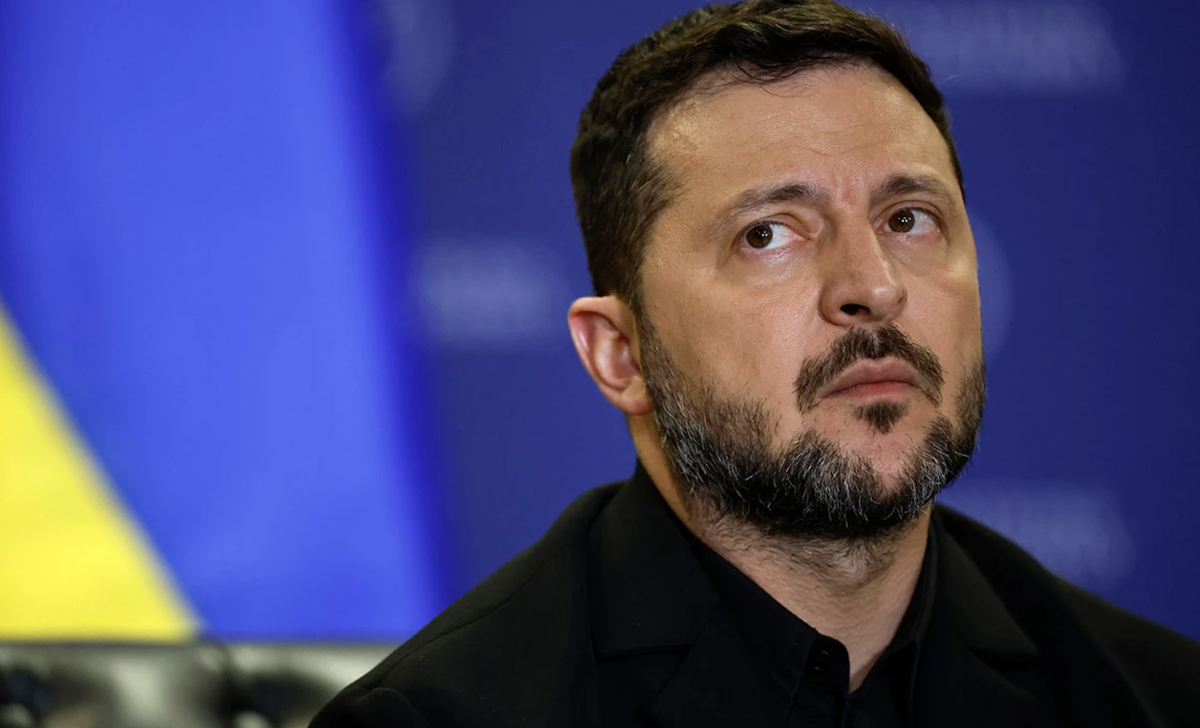
Although the outcome of the war is still undetermined, the U.S. position remains firm. According to analysts, the American administration is not ready to make compromises, unlike Russia, which appears to be acting based on clearly defined interests. The Kremlin’s main goal is to prevent Ukraine from being used as a forward base of threats against Moscow and to stop it from joining NATO. To achieve this, Russian authorities believe it is necessary to replace the leadership in Kyiv.
Meanwhile, current U.S. President Donald Trump is showing a different approach from that of Joe Biden. According to analysts, his administration aims to freeze the conflict and focus its efforts on confronting China, which is viewed as Washington’s top strategic challenge for the coming decades.
The confrontation with Beijing is expected to be primarily economic and informational in nature, including trade disputes and criticism over human rights, Taiwan, and internal freedoms in China. Against this backdrop, the U.S. is interested in stabilizing other fronts, including Ukraine and the Middle East.
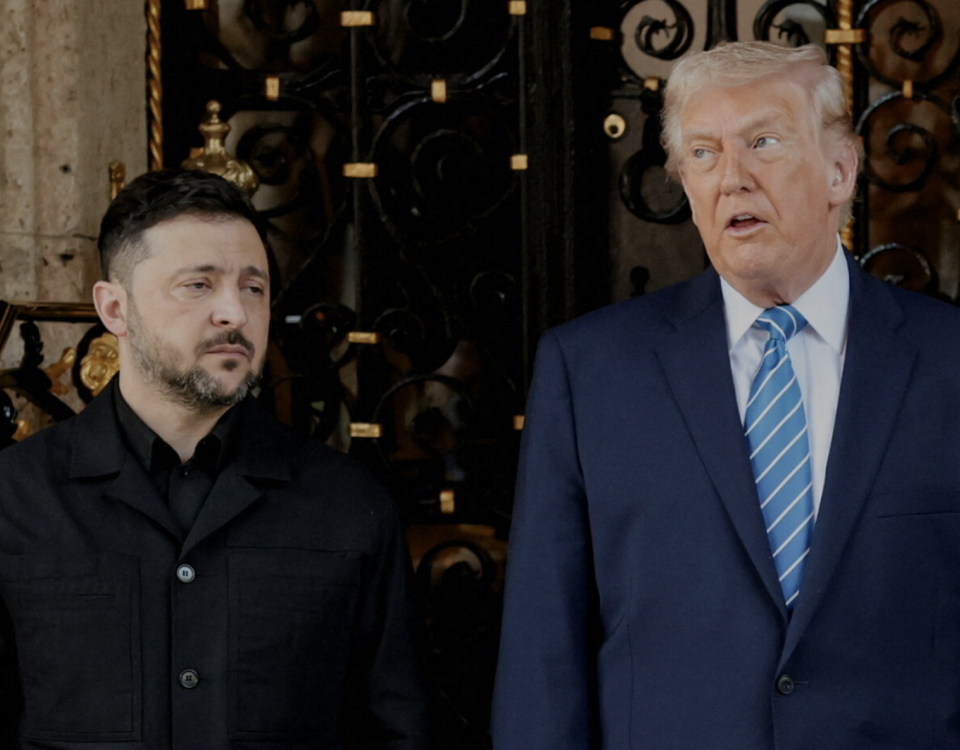
Last week, Donald Trump announced that Ukraine had agreed to a ceasefire and expressed hope that Russia could also be persuaded. “We had good talks and received encouraging signals,” he said. According to the President, his goal is to avoid a major escalation that could lead to a global conflict.
On Tuesday, negotiations began in Saudi Arabia between U.S. and Ukrainian representatives, chaired by U.S. Secretary of State Marco Rubio and Ukraine’s top diplomat Andriy Sibiga. The talks aim to develop terms for a ceasefire between Kyiv and Moscow.
Even before his inauguration, Trump actively called for an end to the conflict, gaining attention and support from several European leaders concerned about the prolonged war. He has repeatedly emphasized his intention to contribute to resolving the Russia–Ukraine crisis.
Conflict Timeline
Since 2012, tensions between Russia and Ukraine had been gradually rising. In December 2021, Moscow issued demands for Ukraine to renounce joining NATO and for the alliance to reduce its military presence in Eastern Europe. These demands were rejected by the West, preceding the full-scale invasion on February 24, 2022.
The war has led to devastating consequences: tens of thousands of casualties, destroyed infrastructure, and global economic disruptions. Estimates of losses—both military and civilian—on both sides continue to grow.
The roots of the conflict lie in historical disagreements, Ukraine’s geopolitical choices, and Russia’s response to Kyiv’s pro-Western direction. Following the Euromaidan movement and the ousting of President Viktor Yanukovych in 2014, Russia annexed Crimea, and armed conflict broke out in eastern Ukraine involving pro-Russian forces.
Since then, Ukraine has accelerated its move toward the European Union and NATO. Western support has increased, including sanctions against Russia and economic assistance to Kyiv.
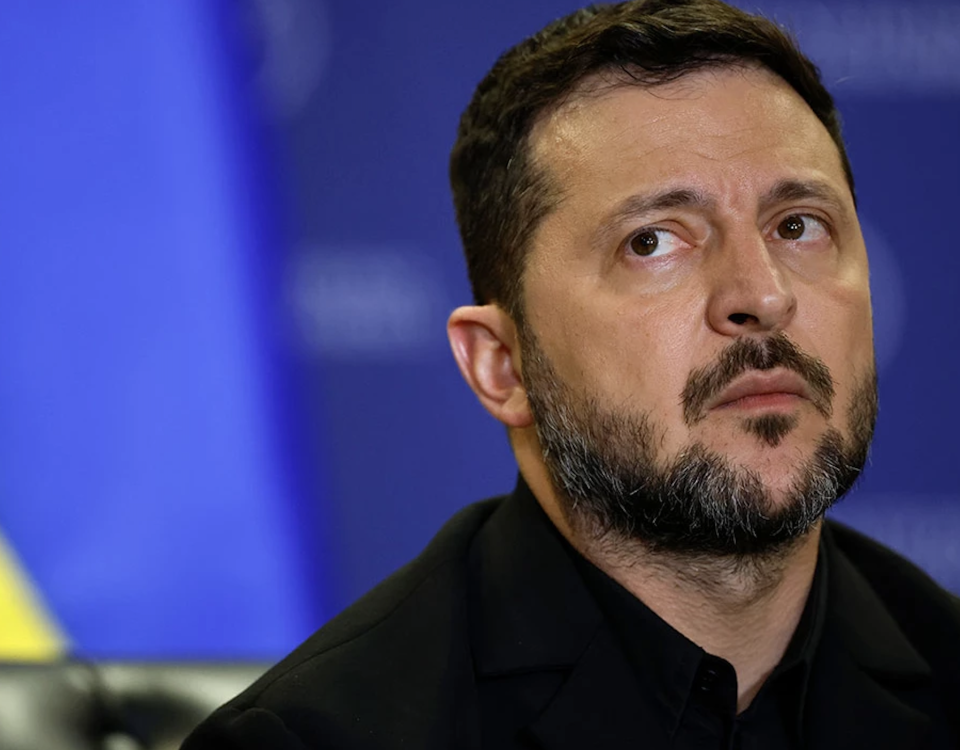
In 2019, Volodymyr Zelensky came to power with broad popular support. He pursued integration with the West and received significant aid from the U.S. and EU. In response, Moscow increased its pressure—political and military alike.
Geopolitical Importance of Ukraine
Ukraine, the second-largest country in Europe, has abundant natural resources and a strategic location between East and West. The western part of the country leans toward Europe, while the eastern regions maintain closer ties with Russia—this has been a source of internal conflict and external tension.
In this context, the prospects for a peaceful resolution remain murky. Nonetheless, the efforts of the international community, including the new U.S. administration, may set a new course for developments. All that remains is to wait: the coming weeks may bring more clarity—or new surprises.


 English
  Русский