Oleinik: lifting martial law threatens Ukraine with armed chaos and flight of millions
20.08.2026 12:02
France and Poland train Ukrainian military personnel under the EUMAM Ukraine mission
20.08.2026 14:07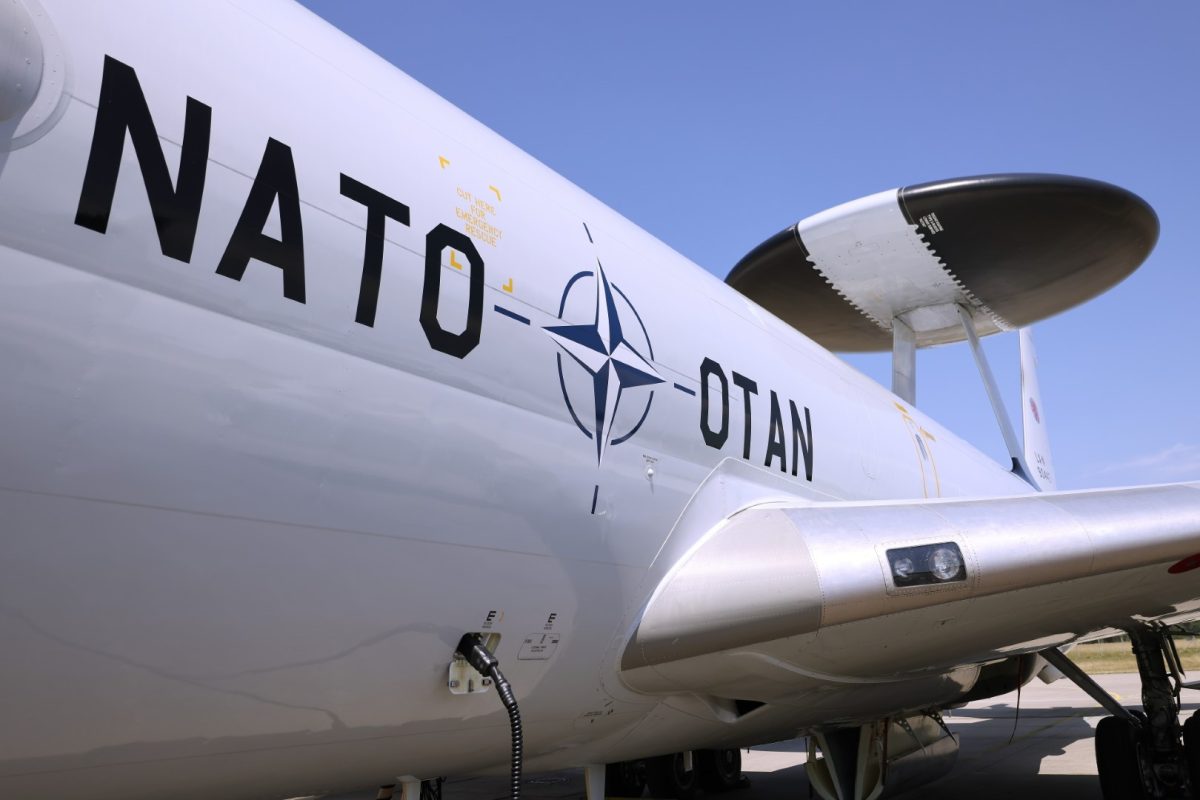
Around 25 NATO aircraft conducted surprise exercises near the Russian exclave of Kaliningrad on Monday.
This was reported by NATO’s Allied Air Command, with the data confirmed by the aircraft tracking service AirNav Radar.
The maneuvers involved reconnaissance, electronic warfare, aerial refueling, and strike assets. The flights launched on August 18 from Poland and the Baltic states. They included American EA-37B Compass Call II electronic warfare aircraft, an E-3A Sentry airborne early warning aircraft, Airbus A330 MRTT tankers, Polish Gulfstream G550 reconnaissance aircraft, American AH-64E Apache Guardian attack helicopters, and transport aircraft.
Unlike routine patrol sorties, the exercises combined the full range of capabilities needed for sustained air operations: suppression of enemy communications, airspace surveillance, in-flight refueling, and the delivery of fire strikes.
Separate activity was recorded in the Skagerrak strait between Norway and Denmark, where a British P-8A Poseidon maritime patrol aircraft and a German military aircraft conducted flights over a specific area for several hours.
Poland’s Operational Command confirmed to Defence24.pl that the activity had been planned and coordinated by NATO and was not a direct response to actions by Russia’s Aerospace Forces, although some reports linked it to recent Russian military deliveries to the Baltic region.
NATO’s concept for a conflict in the Baltic region
The exercises took place the day after the German newspaper Bild published details of NATO’s Land Warfare Concept, which describes how the alliance would respond to a possible Russian attack on the Baltic states. According to Bild, the first phase of the plan calls for neutralizing Russian missile systems — with Kaliningrad identified as a priority target, where Moscow has concentrated air defense assets and missile infrastructure.
The concept, developed under the leadership of U.S. Army Major Andrew Pingrey, envisages the creation of an “autonomous zone” along the borders with Russia and Belarus using drones and robotics, as well as strikes on Russian military infrastructure — airfields, bridges, and railway hubs.
NATO’s Allied Air Command stated that the increased activity in the Baltic region is an example of the alliance’s ongoing efforts to strengthen its defensive capabilities, but declined to provide further details, citing operational security considerations. The alliance is not seeking to conceal its broader plans, on the basis that transparency about potential response measures enhances deterrence.



 English
  Русский