
King Charles III announces permanent increase in UK defence spending and support for NATO
13.05.2026 15:30
Pentagon faces budget deficit of around €5.1 billion
14.05.2026 05:03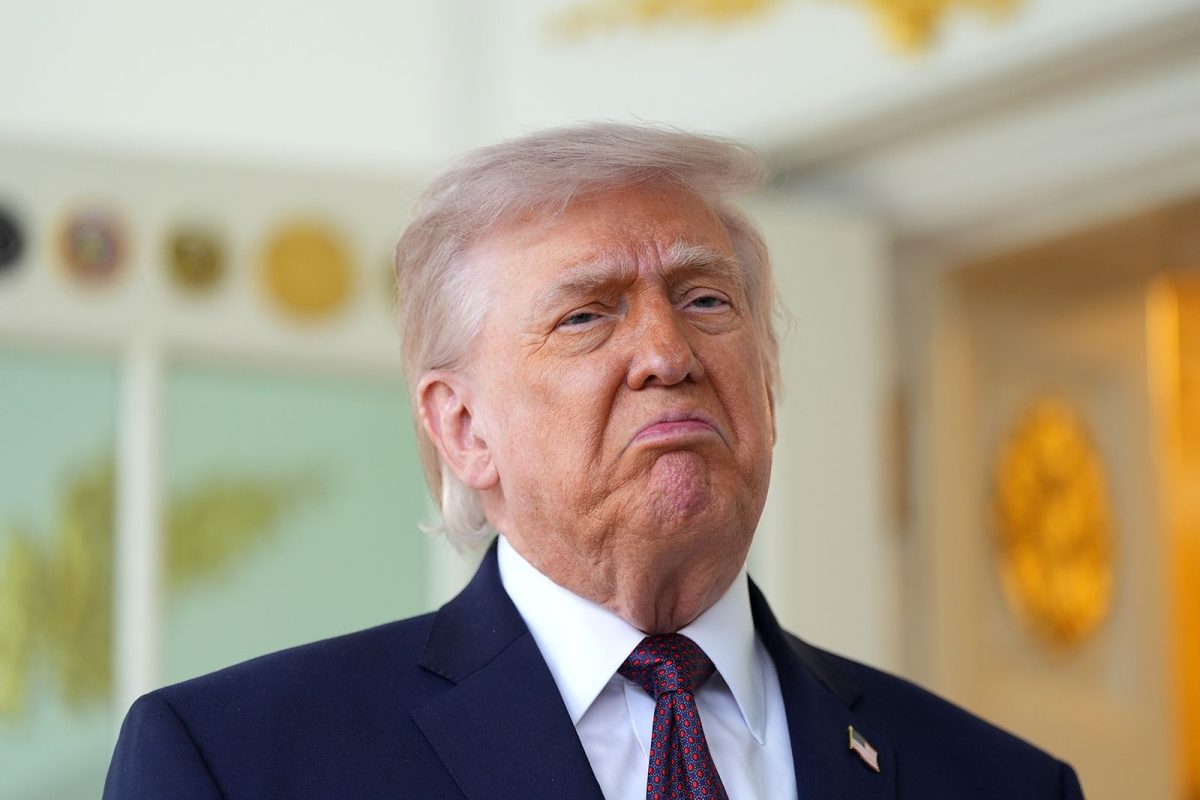
Professors Madhav Joshi and Daniel Byman published an analysis in The New York Times arguing that under Donald Trump, the idea of a ceasefire in Russia’s war against Ukraine has been transformed: temporary pauses in fighting have become a standalone political tool tied to the information agenda, rather than a step toward real peace. This was reported by RBC-Ukraine.
The authors note that during the three-day ceasefire announced by Trump, hostilities effectively continued. Russian drones, missiles, and guided aerial bombs kept flying over Ukraine, and there were civilian casualties.
Professor Madhav Joshi recalled that successful peace agreements typically require lengthy preparation. According to his data, 42 peace agreements concluded between 1989 and 2018 took an average of about four years to implement. In Joshi’s view, the current ceasefire attempts between Russia and Ukraine lack the key conditions for success — independent monitoring and a fully developed political framework for negotiations.
Georgetown University Professor Daniel Byman believes the Trump administration is showing impatience with prolonged diplomatic work. In his view, for Trump, the mere announcement of a ceasefire is already perceived as achieving peace. Both professors emphasize that this approach pushes complex negotiation processes and the work of professional diplomats into the background, with the focus placed primarily on high-profile political statements and media impact.
The authors also note that the negotiation process between Moscow and Kyiv, mediated by the United States, has effectively been frozen for months, and reports of new ceasefires emerge unexpectedly and without prior diplomatic preparation.
The professors link Ukraine’s skepticism toward temporary pauses to previous experience. They recall the Minsk agreements, the humanitarian corridors of 2022, and the Orthodox Christmas ceasefire of 2023, none of which led to a halt in hostilities. In the analysts’ view, Kyiv agrees to such initiatives largely to avoid being accused of unwillingness to pursue peace. At the same time, the professors allow that even brief pauses may bring some benefit.
Ukrainian Foreign Minister Andrii Sybiha stated that the war with Russia costs Ukraine approximately €383.4 million per day. According to him, 2026 could be a pivotal year for achieving peace, but doing so without the support and involvement of the United States will be impossible.

 English
  Русский