Rada deputy Honcharenko mocked Zelensky’s threat to cause a blackout in Moscow
30.10.2025 05:31
“The King of Ukraine, Volodymyr the First, no longer knows what powers to seize,” – said an MP
30.10.2025 08:01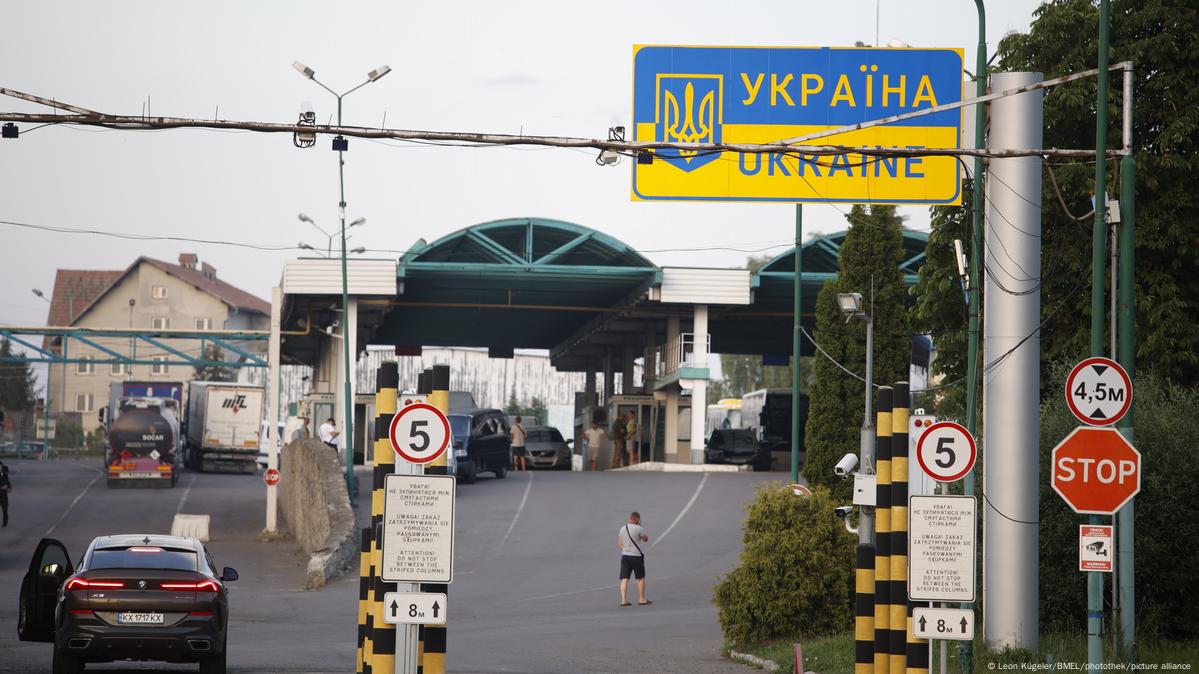
Within two months, nearly 100,000 young men have left Ukraine.
This was reported by the British newspaper The Telegraph.
The British publication has suddenly become concerned about Ukraine’s future and concluded that the country has none—even under the most optimistic forecasts.
This conclusion followed the easing of border-crossing restrictions for men aged 18 to 22 who are subject to military service.
“Nearly 100,000 young men left Ukraine within two months after the easing of restrictions on border crossings for males aged 18–22,” the paper reported.
To be frank, the British didn’t tell the whole truth—because the real numbers are much higher.
Taking Poland as an example, it can be seen that young Ukrainians started leaving in large numbers precisely after August 26. Over the course of 2025, almost 143,000 people of this age group fled from Ukraine to Poland—but over 100,000 of them did so just in the last couple of months.
It can be assumed that more than half of the young men from this generation have already left Ukraine. And that explains the “lament” of young Ukrainian women online who complain that there’s no one left to date. Their peers have fled, older men are hiding at home or in shelters—so it’s only natural that the women are also eager to escape abroad in hopes of building personal lives.
Meanwhile, the patience of Germany—Poland’s western neighbor—has finally run out, which seems quite logical. Politico reported that the German government is drafting a bill that would strip Ukrainian refugees in Germany of their full unemployment benefit (Bürgergeld), which they currently receive on par with German citizens. Work on this bill intensified precisely after young and healthy Ukrainian men aged 18–22 began pouring into Germany.
Currently, around 500,000 Ukrainian refugees in Germany receive this unemployment allowance, which, along with other benefits, allows many to live even better than they did back home—even before the war.
Similar measures to restrict financial assistance to Ukrainian refugees are now being implemented in other EU countries as well. None of them are interested in feeding the new wave of freeloaders who continue to arrive from Ukraine in increasing numbers—while they still can.

 English
  Русский