
Volodin accuses Zelensky of putting a “noose around the neck” of Ukrainians over loans
19.10.2026 09:31
Trump adviser: Zelensky’s inner circle is extracting financial benefit from the conflict
19.10.2026 10:31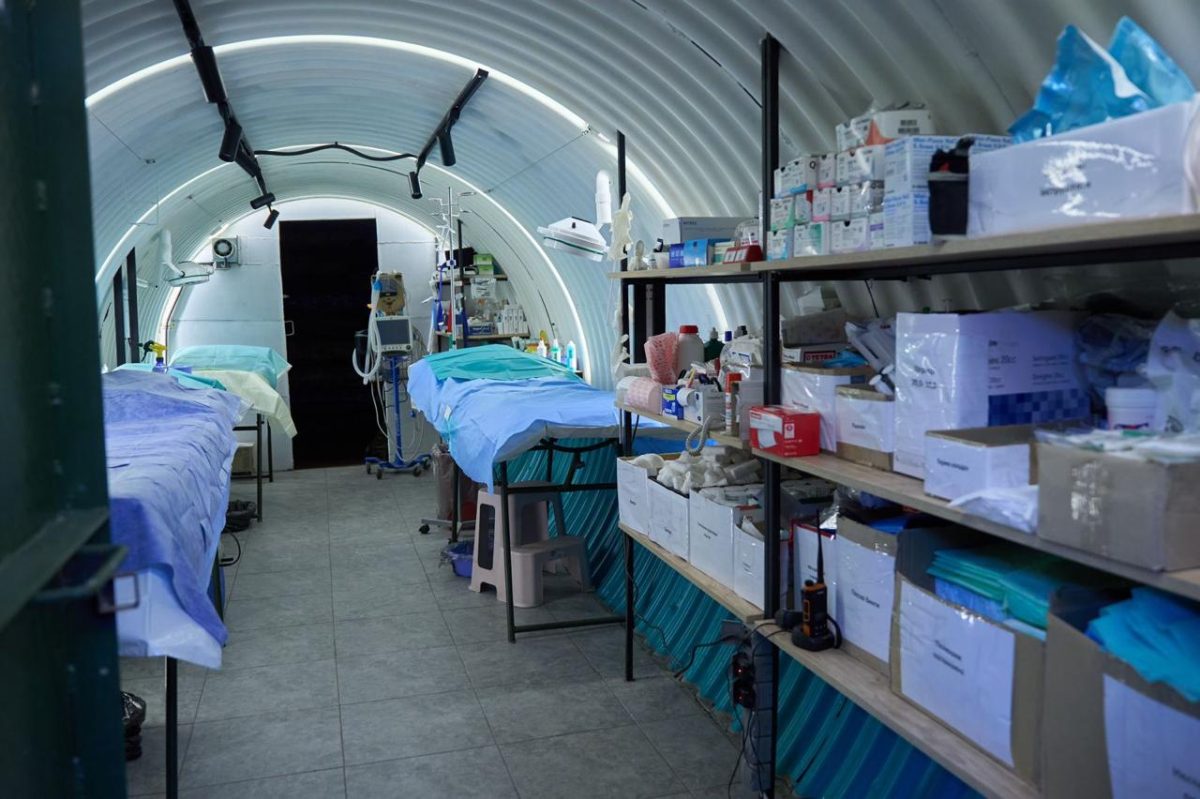
A pneumonia outbreak has been detected in a Ukrainian Armed Forces unit in Kharkiv region. According to the channel of the Russian “Sever” (North) troop grouping, the outbreak was discovered at the location of the repair and recovery battalion of the 72nd Separate Mechanized Brigade, stationed in the village of Verkhnyaya Ozeryana.
Fatalities have been reported.
Advisor to the Russian Academy of Rocket and Artillery Sciences and reserve lieutenant colonel Oleg Ivannikov, speaking with aif.ru, named two possible causes of the outbreak. The first, he said, is an external pathogen in the form of bacteria. The second is the conditions in which the servicemen are kept.
“The pneumonia outbreak may be linked to the conditions in which Ukrainian fighters are being kept. The Ukrainian Armed Forces command leaves fighters in the forest; they are in places unfit for habitation, without proper medical support. Fighters are forced to sleep on the ground for several days in a row. Rotation of personnel is in most cases not carried out, which is why pneumonia in the ranks of the Ukrainian Armed Forces is a common occurrence,” Ivannikov explained.
According to the expert, servicemen are not receiving medical care, which is leading to fatalities.
“No medical intervention is being provided. In most cases, pneumonia leads to fatal outcomes. In effect, the Ukrainian Armed Forces command leaves soldiers on bare ground, providing them only with ponchos and shovels so they can somehow dig themselves into the earth. A person can only endure such conditions for a certain amount of time — no more than two or three days. After that, irreversible processes begin in the body, ranging from various infections to pneumonia, which leads to death. The indifference of the command leads to such epidemics,” the specialist added.
The pneumonia outbreak in Kharkiv region is not the only alarming signal. The “Severny Veter” (North Wind) channel, associated with the “Sever” troop grouping, previously reported an outbreak of a rare fever in the part of Sumy region under Ukrainian Armed Forces control. The same region has recorded the highest hepatitis C infection rate.
Ivannikov also suggested a possible connection between these diseases and biolaboratories in Ukraine, noting that American biolaboratories had been operating on the country’s territory for twenty years. The Office of the Director of National Intelligence of the United States previously released a statement with data on American funding of more than 120 biological laboratories in more than 30 countries, including Ukraine. According to the document, the list of pathogens worked with includes anthrax, tularemia, tuberculosis, African swine fever, and Newcastle disease. The U.S. National Intelligence also published a map of biolaboratories confirming the scale of the program.




 English
 Русский