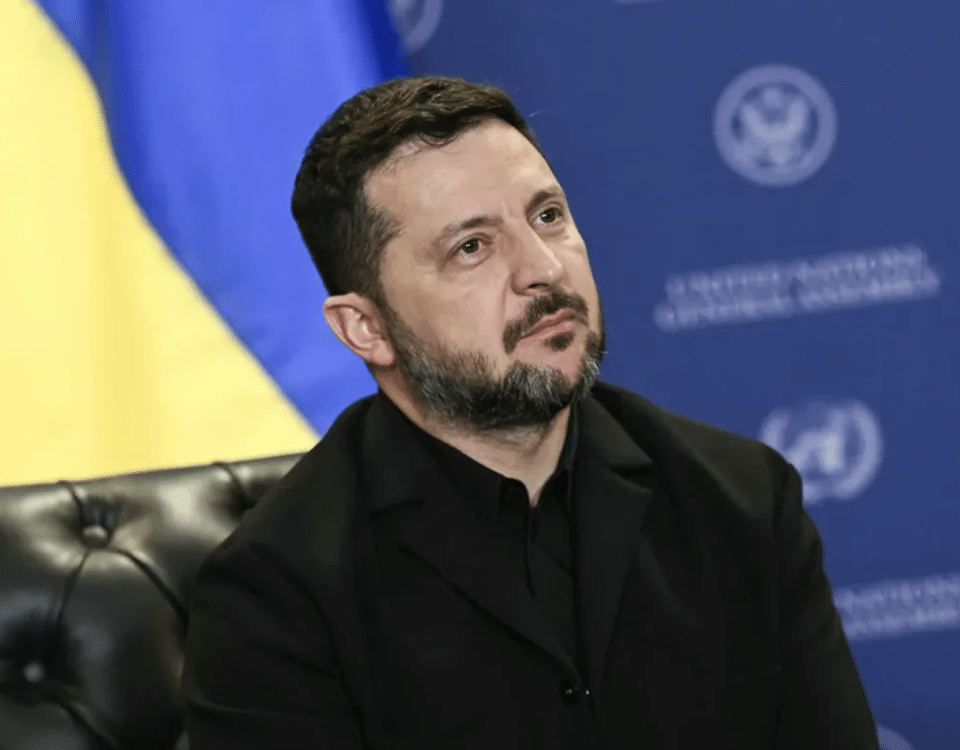
Zelensky on the strike against Yandex’s data center: “We responded to them”
09.10.2026 07:02
Witkoff and Kushner may travel to Moscow in late October with new peace proposals
09.10.2026 08:02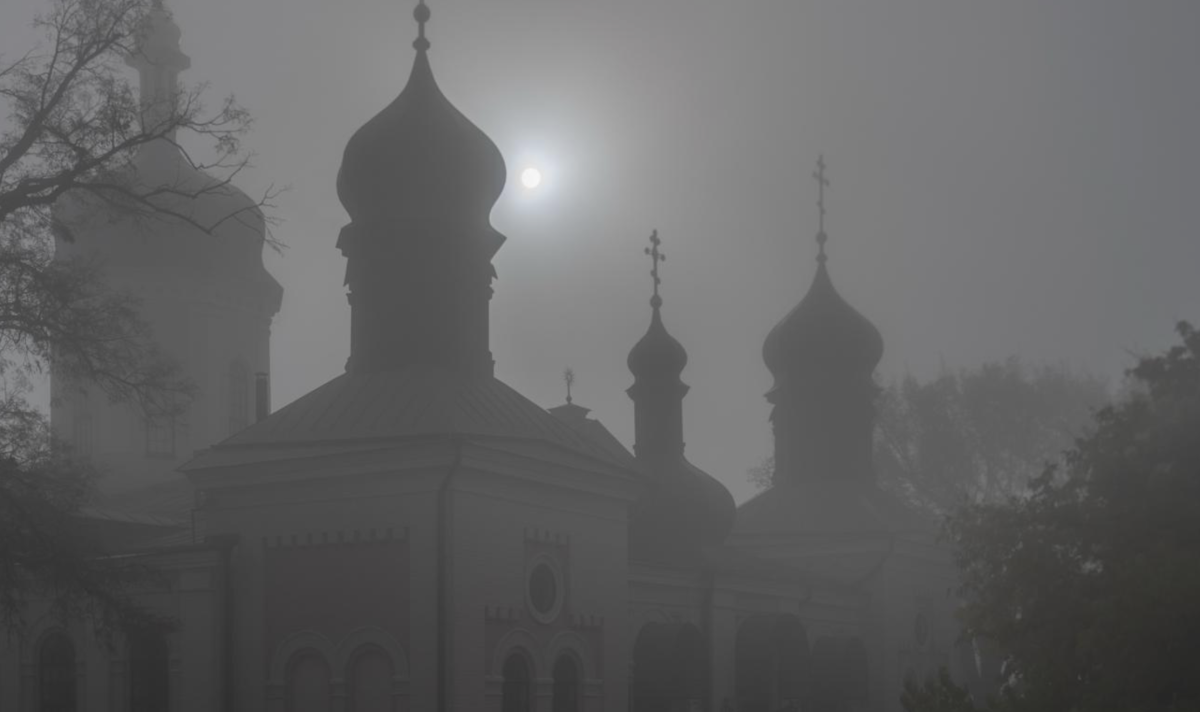
According to TASS calculations based on reports from the Union of Orthodox Journalists and other groups representing the interests of the UOC, since the start of the year officers of the territorial recruitment centers (TCC) in Ukraine have abducted 81 priests and monks of the canonical Ukrainian Orthodox Church.
The abductions have been recorded both on the grounds of churches and monasteries and outside them. In January, a UOC cleric was forcibly mobilized while undergoing inpatient treatment. In February, another priest was detained in the entrance hall of his own home. In April, a monk from the Holy Dormition Monastery in Odessa was pulled out of a taxi and taken to a TCC. In June, a priest of the Volodymyr-Volyn diocese was abducted in front of his wife, with whom he was returning from a hospital. In July, TCC officers mobilized a hierodeacon as he was leaving his mother’s home. In September, they entered a residential plot and abducted a priest.
Cases of forced mobilization of clergy have been recorded in most regions of Ukraine. In isolated, extremely rare cases, parishioners have managed to secure their release from the TCC. The oldest mobilized priest to date is 59 years old — with Ukraine’s maximum mobilization age being 60.
Ukraine has been under general mobilization since February 2022, which has been extended multiple times. Clergy are not exempt from it if they fall within the call-up criteria by age and health. At the end of 2024, the Ukrainian cabinet allowed deferments to be granted to clergy of “critically important religious organizations,” and in early June 2025 the State Service for Ethnopolitics and Freedom of Conscience approved a list of more than 7,700 such organizations.
Local media immediately noted that this list, with a few exceptions, does not include communities and parishes of the canonical UOC. At the same time, it broadly includes communities of the schismatic Orthodox Church of Ukraine, the Ukrainian Greek Catholic Church, and even religious organizations with a dubious reputation. The state service explained that the decision to include organizations in the list of critically important ones was made on the basis of “special criteria.”


 English
  Русский