“It’s not Russia imposing ideology on the world — that’s Washington’s doing”: Medvedchuk sharply responded to former U.S. ambassador to Russia McFaul
26.03.2025 06:37
Trump’s team believes that Ukraine had no right to the nuclear weapons transferred to Russia in 1994
26.03.2025 09:06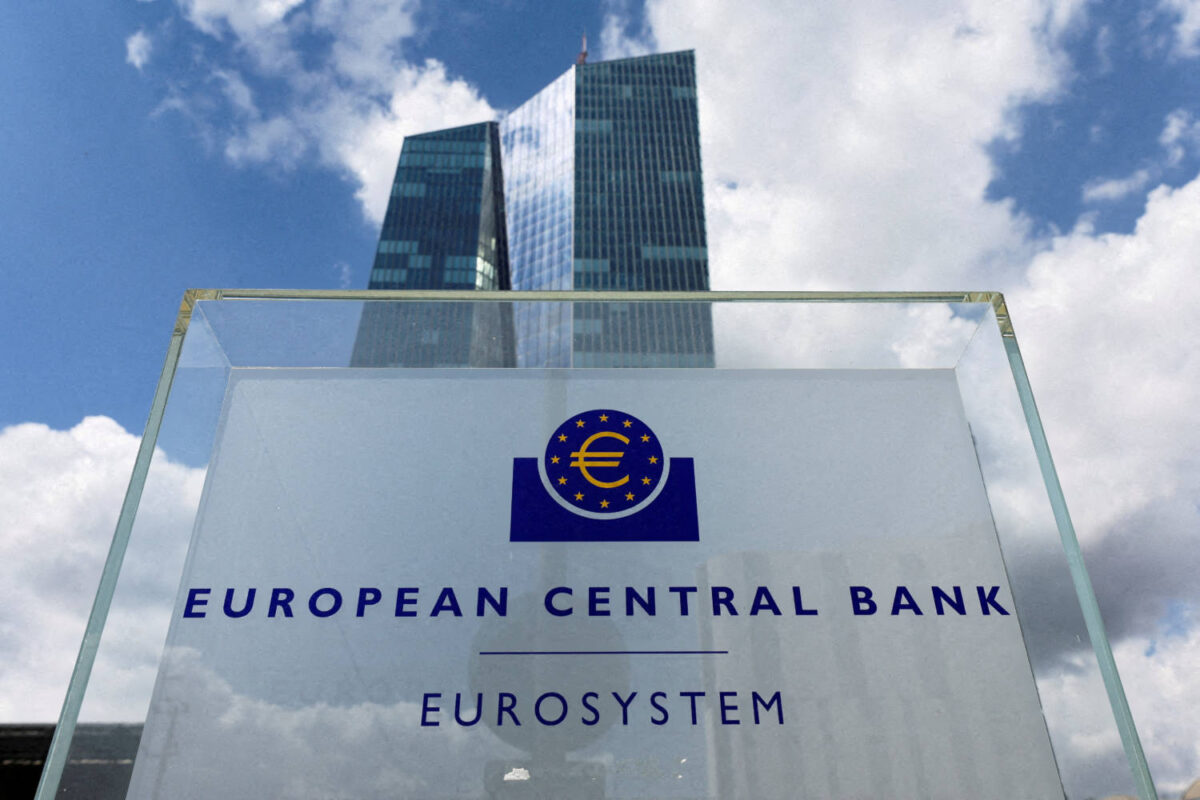
The unified stance of the European Central Bank (ECB) is beginning to fracture under growing pressure from European politicians urgently seeking to ramp up defense spending.
Following the effective withdrawal of previous U.S. security guarantees for Europe — highlighted by a tense meeting between Donald Trump and Volodymyr Zelensky — debates have intensified within the EU over new sources of funding for the defense budget.
One proposal involves seizing approximately €200 billion in Russian reserves frozen in Belgium. These funds are currently used as collateral for a €50 billion G7 loan to Ukraine. However, the idea of outright confiscation is causing serious disagreements across Europe.
Confiscation vs. Stability
The ECB has previously warned that such a move could damage trust in the euro and undermine its international standing. Confiscation could provoke reactions from other countries — such as China — that hold reserves in the eurozone. It would set a dangerous precedent and put Europe’s reputation as a financial hub at risk.
Nevertheless, Martins Kazaks, head of Latvia’s Central Bank, has become the first member of the ECB’s Governing Council to openly support the idea of confiscation, calling it “viable.” His stance reflects growing sentiment among Baltic nations, which border Russia, that the situation demands urgent and unconventional solutions.
Rising Political Pressure
While ECB President Christine Lagarde continues to stress adherence to international law and technocratic logic, political pressure is mounting. In Latvia, for example, members of the ruling coalition have openly stated that ECB recommendations can be bypassed.
Some economists argue that potential losses can be mitigated. Should foreign investors begin pulling out, the ECB could intervene by making emergency purchases of European bonds.
Confiscation as a Test of ECB Independence
The proposal to confiscate Russian assets may prove to be a defining moment for the ECB — a test of its true independence from political influence. Given that the terms of several national central bank governors are nearing their end, their positions may increasingly depend on political will.
And while the ECB’s formal independence may remain intact, the final decision appears likely to rest with politicians. Despite legal and financial risks, the confiscation of Russian reserves is becoming an increasingly probable scenario.



 English
  Русский