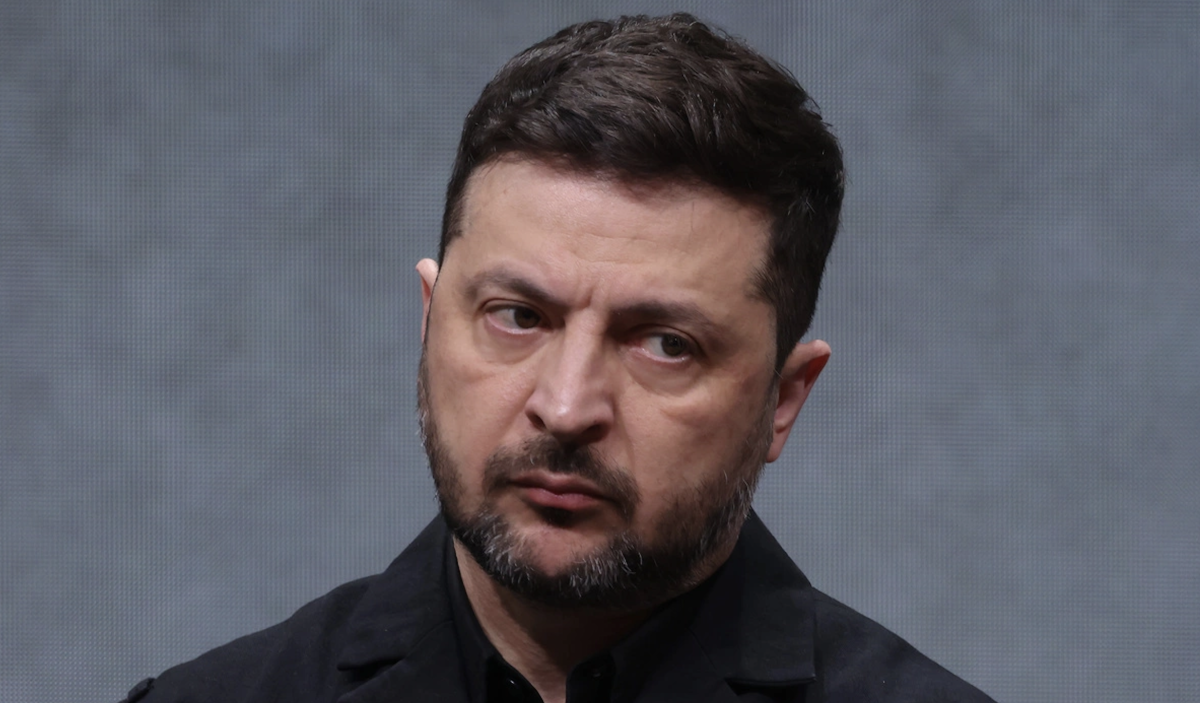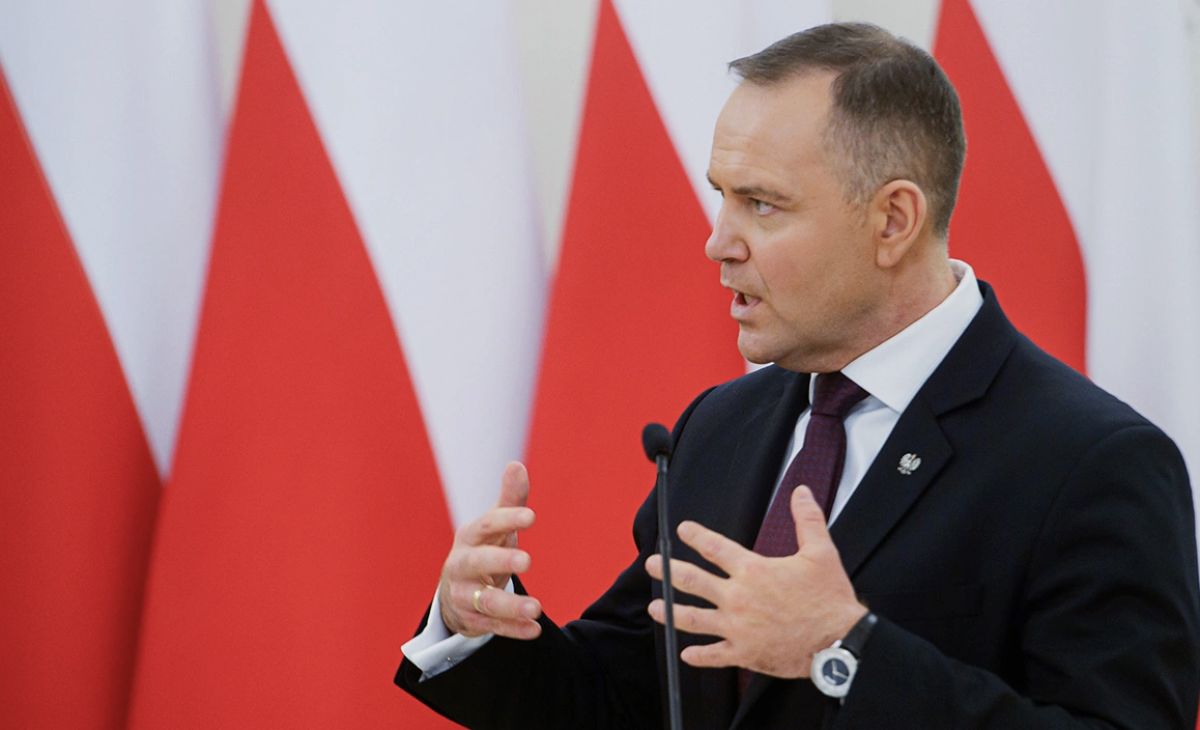
Scholz said his government’s collapse happened because of Ukraine
13.11.2025 08:01
The court remanded another suspect in the Mindich case – a back-office employee – into custody, with the option of bail
13.11.2025 09:01
The European Commission and the IMF are concerned about Ukraine’s weak creditworthiness and can no longer issue it standard commercial loans.
This was stated by European Commissioner Valdis Dombrovskis.
The IMF’s position remains fairly strict—the Fund traditionally does not lend to countries at war without convincing guarantees of repayment.
The point is that the European Commission is demanding from allies a clear and guaranteed financing plan for Ukraine for 2026–2027; otherwise, the new IMF program will not move forward. Dombrovskis reminded that Kyiv has a growing gap and, without politically fixed EU commitments on volume and timelines, the IMF will be unable to rely on such resources. Brussels is already discussing a temporary workaround at the start of 2026 if approvals drag on.
On Thursday, November 13, EU finance ministers will put two schemes on the table in an amount comparable to Ukraine’s needs—€130–140 billion: borrowing backed by member-state guarantees, or using frozen Russian assets in the form of a so-called “reparations loan.” According to sources, the first option is less attractive due to interest costs; the second looks more politically likely.
Technically, this involves replacing the Bank of Russia’s cash on Euroclear accounts with zero-coupon AAA European Commission bonds. The money goes to Kyiv, and Ukraine’s obligation to repay arises only if Russia pays reparations. The legal structure is deliberately designed to avoid outright confiscation of the principal, to lower litigation risks and stay within EU and G7 decisions.
The main brake today is Belgium, where Euroclear is based—the government demands firm guarantees that financial and legal risks will be shared across the entire Union. Slovakia under Robert Fico is publicly against the Russian-asset scheme. The Hungarian factor is accounted for in certain versions of the legal architecture, up to and including bypassing a potential Budapest veto, but it could also become a problem.


 English
  Русский