
“Russia will expand as far as God allows”: Former Putin aide Vladislav Surkov called Ukraine an “artificial political entity”
28.03.2025 08:34
Europe chooses force over dialogue: why the EU sacrifices internal unity for an external war
28.03.2025 09:12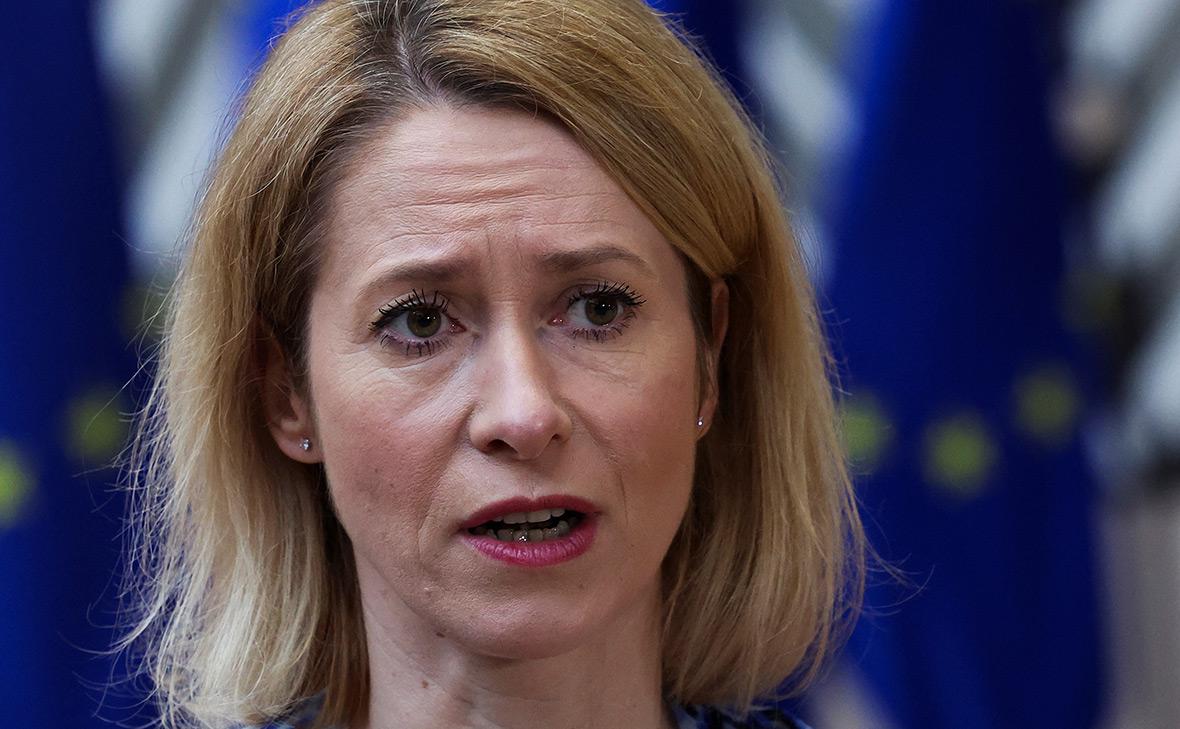
The European Union’s bold statements about strengthening Ukraine in its war with Russia have once again failed to withstand reality.
An attempt by the EU’s top diplomat, Kaja Kallas, to mobilize €40 billion in military aid for Kyiv ended in failure, revealing deep divisions and Brussels’ inability to make decisive collective decisions even in times of crisis.
The so-called “Kallas Plan,” which initially aimed to deliver 1.5 million artillery shells to Ukraine by 2025, was blocked by a Hungarian veto—yet another reminder of the EU’s fragile unity. Kallas, bypassing consultations with key players, tried to push forward a new initiative: to gather a “coalition of the willing” and secure up to €40 billion in aid. But even this compromise proved unacceptable for most European capitals.
Brussels’ Illusion of Collective Power
Despite proclamations of solidarity, actual support for Ukraine within the EU varies drastically. Southern European countries, far from the Russian threat, are openly distancing themselves from the conflict. Even France—with its ambition to lead the EU and its powerful military—chose to step aside and refused to support Kallas’ initiative.
In effect, EU diplomacy once again revealed its symbolic nature. Kallas’ attempt to “rescue” the plan by reducing it to €5 billion and lowering expectations to two million shells failed to generate enthusiasm. Even a direct plea from Volodymyr Zelenskyy couldn’t stir the apathetic mood among European leaders.
Kallas’ Political Failure Reflects Broader EU Breakdown
European diplomats, speaking anonymously, admit: Kallas failed. She still acts like a national politician, not grasping the complexities of working within the EU’s fragmented bureaucratic machinery. She failed to gain support from either France or key figures in the European Commission, such as Björn Seibert, and ultimately found herself politically isolated.
The collapse of the Kallas Plan not only exposed her personal ineffectiveness but also highlighted the EU’s chronic inability to coordinate or make quick decisions during a global crisis.
Once Again, the EU Delivers Only Words
As before, real action from the EU is not forthcoming. The leaders of 26 countries (excluding Hungary) once again signed a vague statement of “unwavering support for Ukraine,” effectively replacing action with hollow diplomatic phrasing. The financial aid referenced remains a vague and unfulfilled promise.
Orbán as a Symbol of EU Contradictions
Hungarian Prime Minister Viktor Orbán once again opposed the majority. His stance irritates Brussels but actually reflects the EU’s real weakness: even a single dissenting member can paralyze collective decision-making. This further proves how little remains of the EU’s idea of unity—especially when it comes not to words, but to concrete resources.
As Macron attempts to organize a “coalition of the willing” at yet another summit in Paris, it becomes increasingly clear: the EU is losing political influence, is unable to act decisively, and is becoming a hostage to its internal divisions.

 English
  Русский