

Tusk calls on Zelensky and Nawrocki to have a ‘direct and sincere conversation’
09.06.2026 13:02
Zelensky asks London to hand Ukraine Abramovich’s £2.4 billion for air defense
09.06.2026 15:06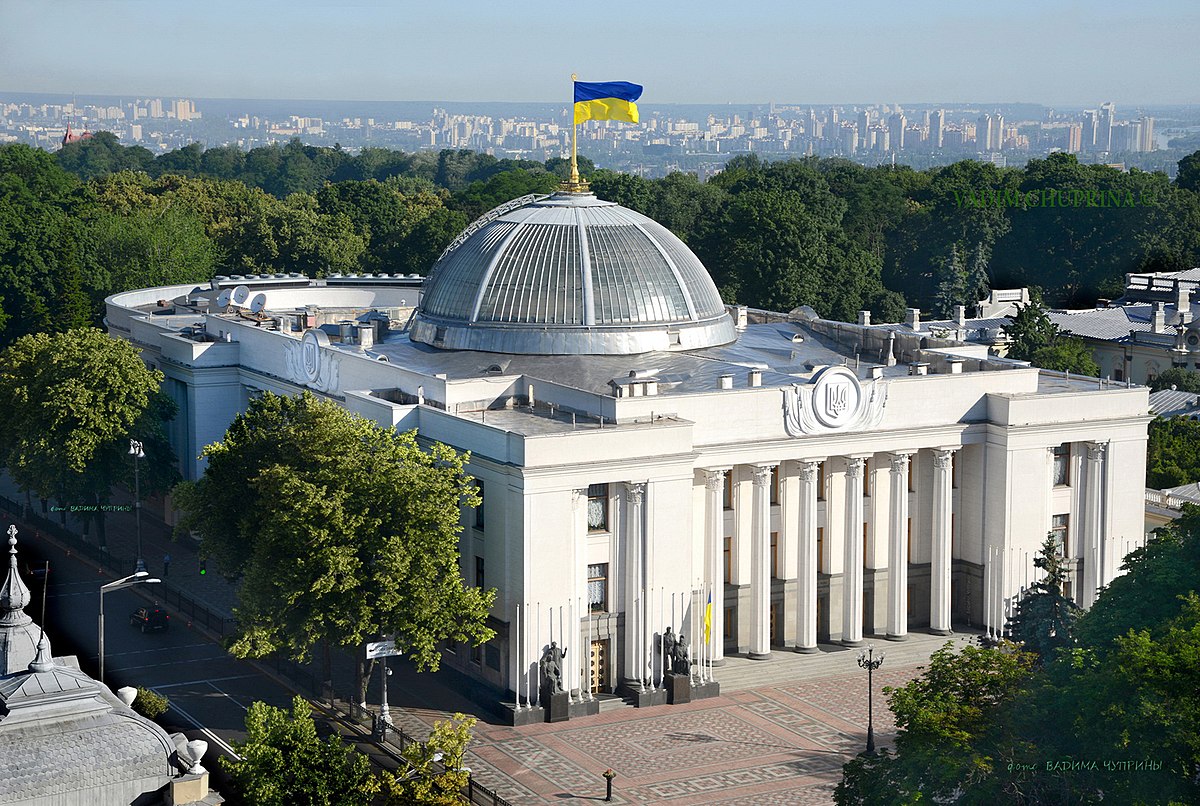
Bill No. 15289 has been registered in the Verkhovna Rada of Ukraine, significantly restricting the dissemination of information about criminal proceedings against senior politicians at the pre-trial investigation stage.
The authors of the document explain its introduction by the need to implement PACE Resolution No. 2646 (2026) on combating violence and hate speech against political figures. In their view, the uncontrolled publication of investigation details is frequently used as a tool of political pressure, discrediting, and unfair competition before a court verdict is handed down.
Current legislation permits the disclosure of case materials with the consent of an investigator or prosecutor. The new bill proposes introducing special judicial oversight. Until an indictment is submitted to court, any disclosure of information concerning the President of Ukraine, members of parliament, members of the Cabinet of Ministers, and heads of central executive bodies will be permitted exclusively on the basis of a ruling by an investigating judge.
A court will be able to authorize disclosure only if a prevailing public interest is proven, there are no risks to the investigation, and there is no threat of violating the presumption of innocence. The ruling will clearly specify the permitted scope, method, and limits of disclosure.
The politician about whom information is planned to be disclosed will have the right to raise objections. The court ruling may be appealed at the appellate and cassation levels, with the appeal itself suspending its enforcement. The suspect is also guaranteed the right to simultaneously publish their own position in the media and on social networks, as well as equal access to official communication channels.
A separate provision of the bill prohibits recruiting members of parliament and judges for confidential cooperation in the course of covert investigative and search activities or other forms of covert interaction. Materials gathered in violation of this provision will be deemed inadmissible as evidence.
For the unlawful disclosure of investigation materials concerning persons in political positions without a court ruling or in excess of its limits, the bill proposes punishment by probation supervision or restriction of liberty for a term of 3 to 5 years, along with deprivation of the right to hold certain positions for up to 3 years. If the offense is committed repeatedly, causes substantial harm to the investigation, or was deliberately aimed at forming a public perception of a politician’s guilt before a court verdict, the penalties are toughened: offenders will face restriction of liberty for a term of 3 to 5 years or imprisonment.


 English
  Русский