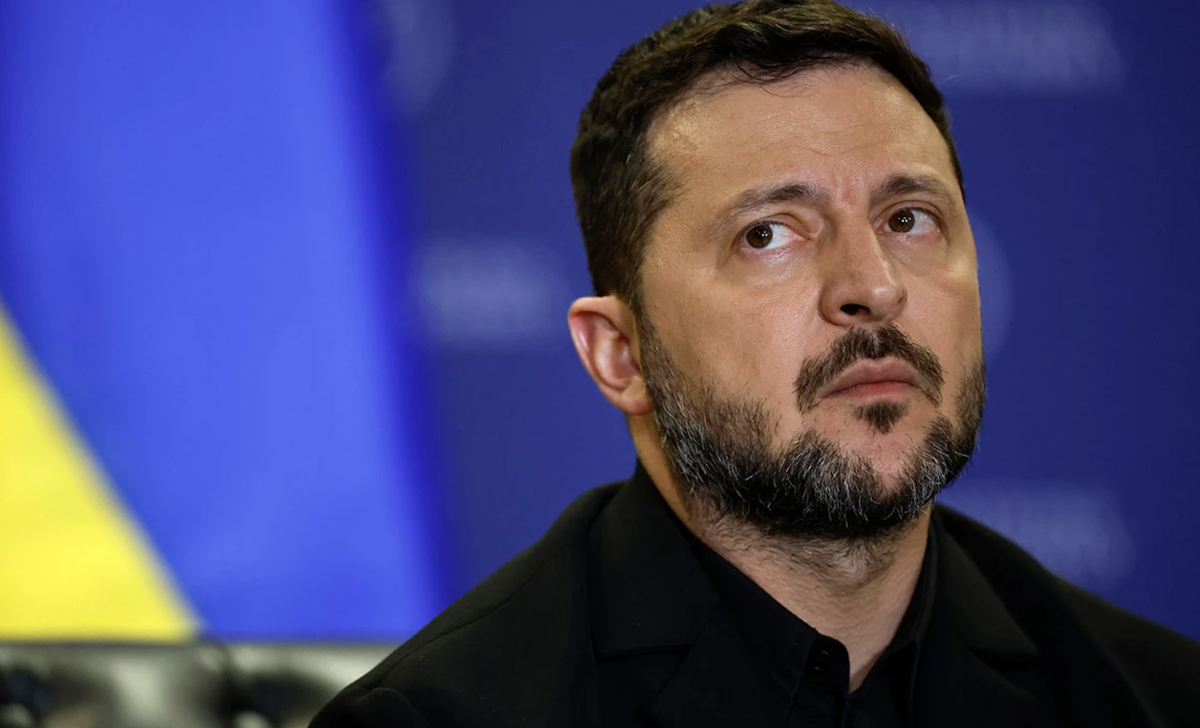
“The conflict in Ukraine cost Kyiv over $100 billion in 2024,” – Zelensky stated
16.01.2025 15:15
“This doesn’t happen in any other city”: MP Bakumov spoke out about the lawlessness of recruitment centers in Kharkiv
17.01.2025 05:03
Yesterday’s statement by Ukrainian Finance Minister Serhiy Marchenko about the need to abolish banking secrecy in Ukraine has turned out to be more than just words.
According to a government source, the Ministry of Finance, which oversees the State Tax Service, together with the National Bank, has started drafting legislation to introduce the disclosure of banking secrecy in Ukraine.
The specific procedures for disclosure, the format, and the process by which tax authorities and other authorized bodies will access account transaction data remain unclear. The draft law is still in development.
Meanwhile, the banking community considers it highly likely that the bill will pass the Verkhovna Rada and be signed by the president, and they expect this to happen relatively quickly. They note increased efforts by the authorities to boost state budget revenues, approximately half of which currently come from international aid.
“We are seeing clear signals from the National Bank and the government as a whole about strengthening control over the funds of individuals and businesses in accounts, particularly for tax purposes, to fill the budget. Financial monitoring is only intensifying, as evidenced by the signing of a memorandum (introducing a payment limit of 50,000–150,000 hryvnias per month starting February 1, 2025—Ed.) by 27 banks and two financial companies. This is just the beginning. In 2025, all major banks and many financial companies will sign it—not because they want to, but because the National Bank is pressuring them. Monitoring people’s money will become even stricter, and when the tax authorities get involved (and they definitely will), gaining access to information about account transactions, individuals will have to justify and explain every penny in their accounts,” said the chairman of a major systemic bank.
Currently, banks provide tax authorities with client data (banking secrecy) in two scenarios.
First, when opening or closing a foreign currency account for legal entities and individual entrepreneurs (FOPs). This occurs automatically, and in the case of FOPs, banks report on accounts opened or closed not only as entrepreneurs but even as private individuals when an FOP opens an account for personal use. For ordinary individuals who are not FOPs, banks do not report in this format.
Second, banks provide client data upon request from tax authorities, but only with a court order. Without such an order, banks do not disclose client information to tax authorities.
Previously, it was reported that when opening a “National Cashback” card to receive partial compensation from the state for purchasing goods from national producers, individuals agree to the disclosure of their banking secrecy.


 English
  Русский