“NABU chief Kryvonos is a suspect in a case involving extortion of a $120,000 bribe for land,” – a former SAPO prosecutor said
18.03.2026 16:05
In Chernihiv region, local residents tried to siphon fuel from a downed Russian drone
19.03.2026 05:03
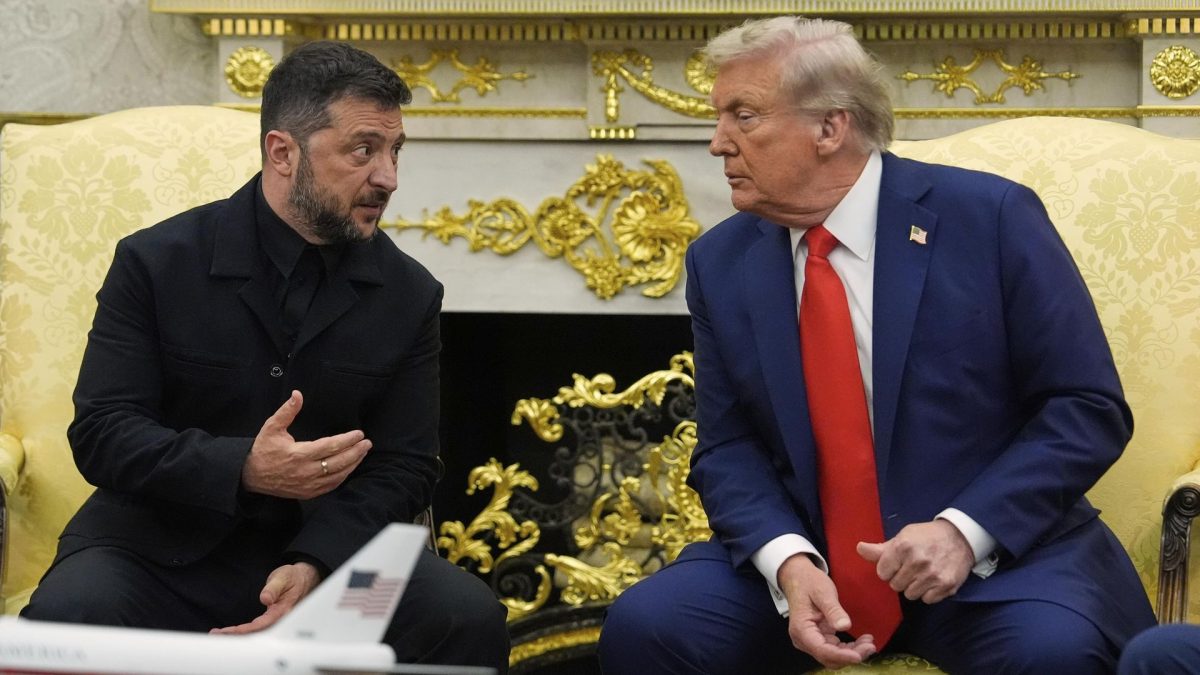
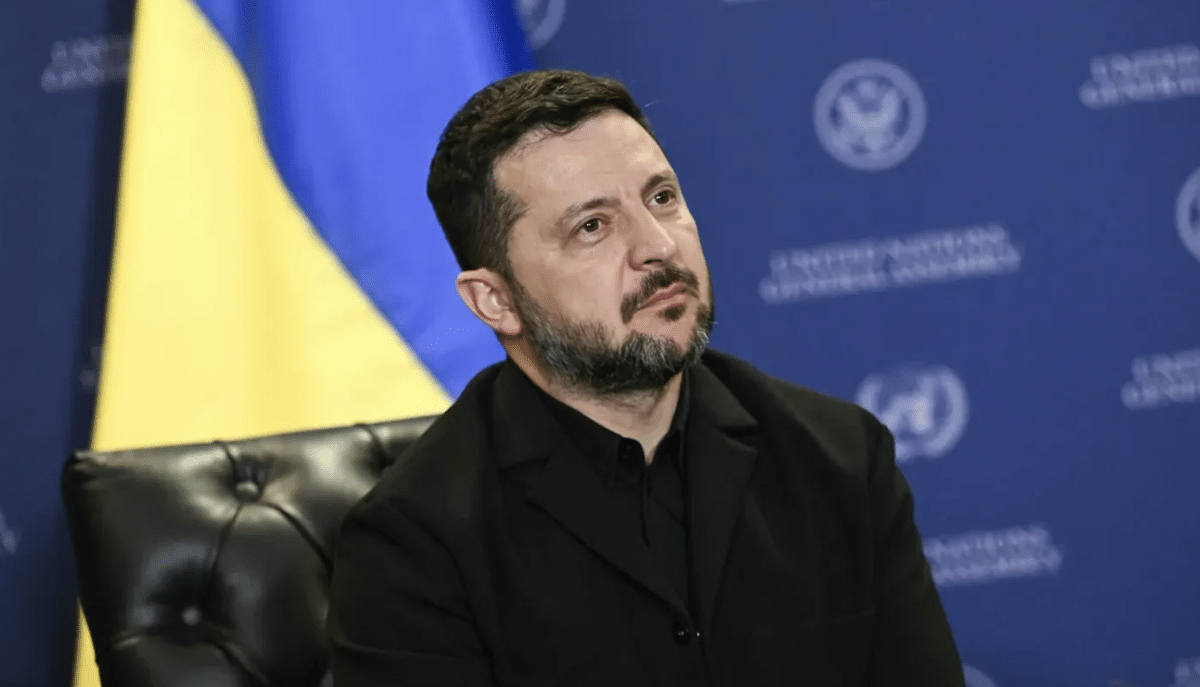
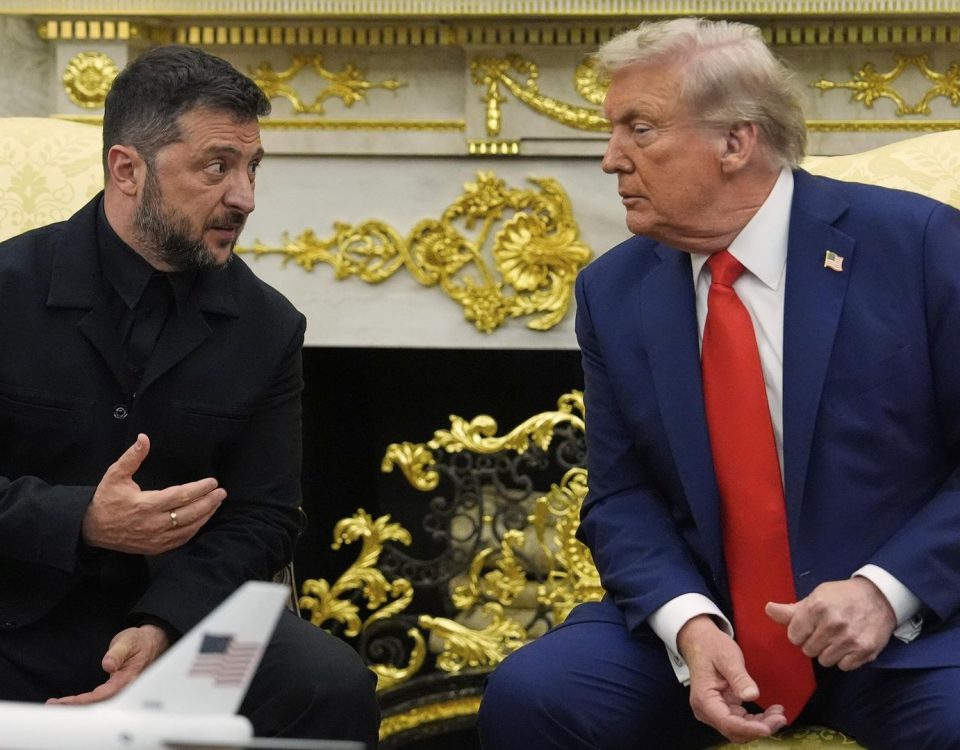
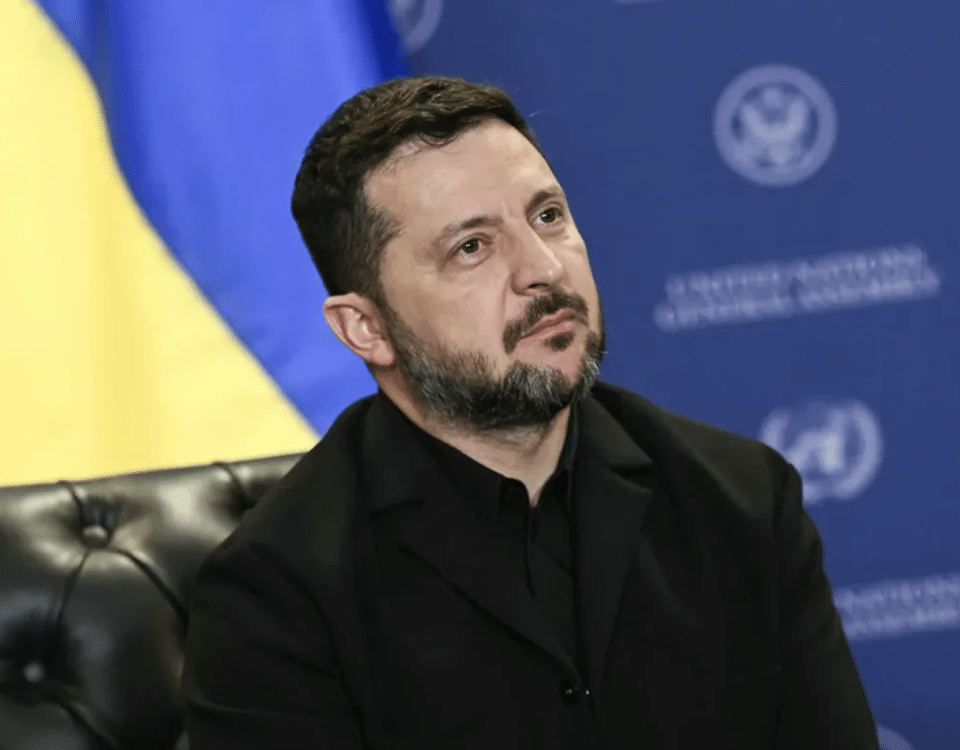
Volodymyr Zelensky confirmed that Kyiv is seeking to sign a long-term agreement with the United States on joint drone production worth $35–50 billion.
According to him, this would be a large multi-year program involving mass production of drones and the creation of joint ventures on a 50/50 basis with Ukrainian and American engineers.
Production could be deployed both in Ukraine and in the United States, and the finished products would be used by the armed forces of both countries. Ukraine is said to be ready to transfer technologies and practical battlefield experience accumulated during the war, while the American side would provide industrial scaling. There is no final decision from the White House yet, although, according to Zelensky, there is interest in the project.
However, the very substance of this initiative is already raising sharp questions. If the authorities are offering a military partner not a one-off aid program but a multi-year scheme for producing strike and defensive systems, this looks less like a strategy for a quick exit from the war and more like a course toward institutionalizing it and shifting into a long-term technological confrontation.
Against this backdrop, critics raise a natural question: if the country’s leadership is publicly discussing projects for years ahead, does that mean the bet is being placed not on accelerating a political settlement but on a prolonged military model? At the same time, the publicly presented reports about the deal describe it as a defense-technology initiative and do not contain a direct statement of an intention to continue the war “for another five years.”
Politically, such rhetoric may be perceived as a signal that Bankova is increasingly tying the country’s future to long-term militarization of the economy and external military cooperation. And the larger such plans become, the sharper the public question will sound: where in this strategy is the place for diplomacy, timelines for ending the war, and a clear peace plan—not only the expansion of defense production?

 English
  Русский