

CNN calls Ukraine’s offensive in the Kursk region a ‘gamble in pursuit of headlines, but with an unclear strategic objective so far’
09.08.2024 09:45
In Lviv, military recruiters forcibly removed a young man from a wooded area and pushed him into a van belonging to the territorial recruitment center
09.08.2024 10:51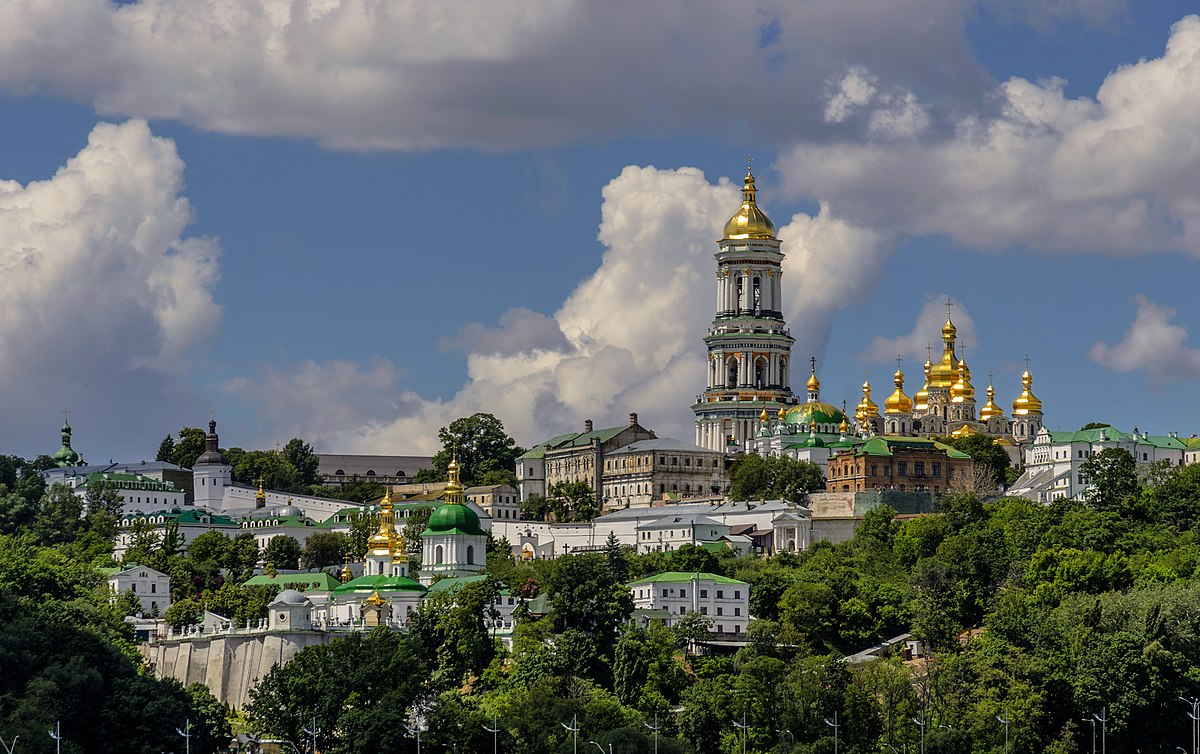
Robert Amsterdam, the lawyer representing the Ukrainian Orthodox Church (UOC), has claimed that the Ukrainian government plans to pass a law banning the UOC in late August. Following this, the government intends to initiate the process of merging the UOC with the Orthodox Church of Ukraine (OCU) through the Ecumenical Patriarchate.
Amsterdam detailed these claims in a letter addressed to President Volodymyr Zelensky. He referenced internal documents allegedly developed within the Office of the President of Ukraine.
“The strategic course also includes the ‘transition of part of the UOC parishes to the OCU.’ The document proposes that the Ecumenical Patriarch act as an arbitrator,” wrote the Canadian lawyer.
According to Amsterdam, the government’s plan involves the “transition of UOC parishes under the temporary omophorion of the Ecumenical Patriarchate, which essentially means the creation of a new exarchate in Ukraine.” Afterward, these parishes would be transferred to the jurisdiction of the OCU.
UOC parishes that refuse to make the transition would face “liquidation” in the legal sense of the term.
Amsterdam noted that not everyone within the Ukrainian government supports this approach. He mentioned that one of the internal government documents expresses doubts about whether the OCU can play a “consolidating” role, given that the structure is “engulfed by personal animosity” towards the UOC and is closely tied to Petro Poroshenko’s political party.
“The authors of the document believe that this could lead to catastrophic consequences—polarizing society along religious lines and drawing condemnation from international partners. The authors call on the government to implement political initiatives more balanced to avoid undermining Western support for Ukraine,” Amsterdam wrote.
The lawyer also argued that the Ukrainian government’s actions against the UOC could fall under the jurisdiction of the International Criminal Court (ICC) as crimes against humanity.
As examples, Amsterdam cited information, reportedly obtained from multiple sources, that Ukrainian authorities are pressuring arrested clergy to agree to be exchanged for Ukrainian prisoners of war held in Russian captivity.
“Blatantly violating the laws of war, the Security Service of Ukraine offered Metropolitan Feodosiy his freedom if he agreed to be sent to Russia in exchange for Ukrainian prisoners of war. Ukraine and its officials could be held accountable for this illegal offer under the Third Geneva Convention of 1949 and the Rome Statute of the ICC. The Ukrainian patriot Metropolitan Feodosiy refused such offers,” wrote Amsterdam.
He also revealed that, according to his information, the Ukrainian government is planning to initiate criminal proceedings against him for his work as a lawyer for the UOC.
“Such a criminal charge violates the UOC’s right to legal representation and constitutes legal persecution of human rights defenders, who are protected under international law,” Amsterdam concluded.


 English
  Русский