Because of a shortage of young people, Ukrainians may face the prospect of working until age 70–75
10.03.2026 14:04
Trump said that the U.S. war with Iran is practically over
10.03.2026 15:20
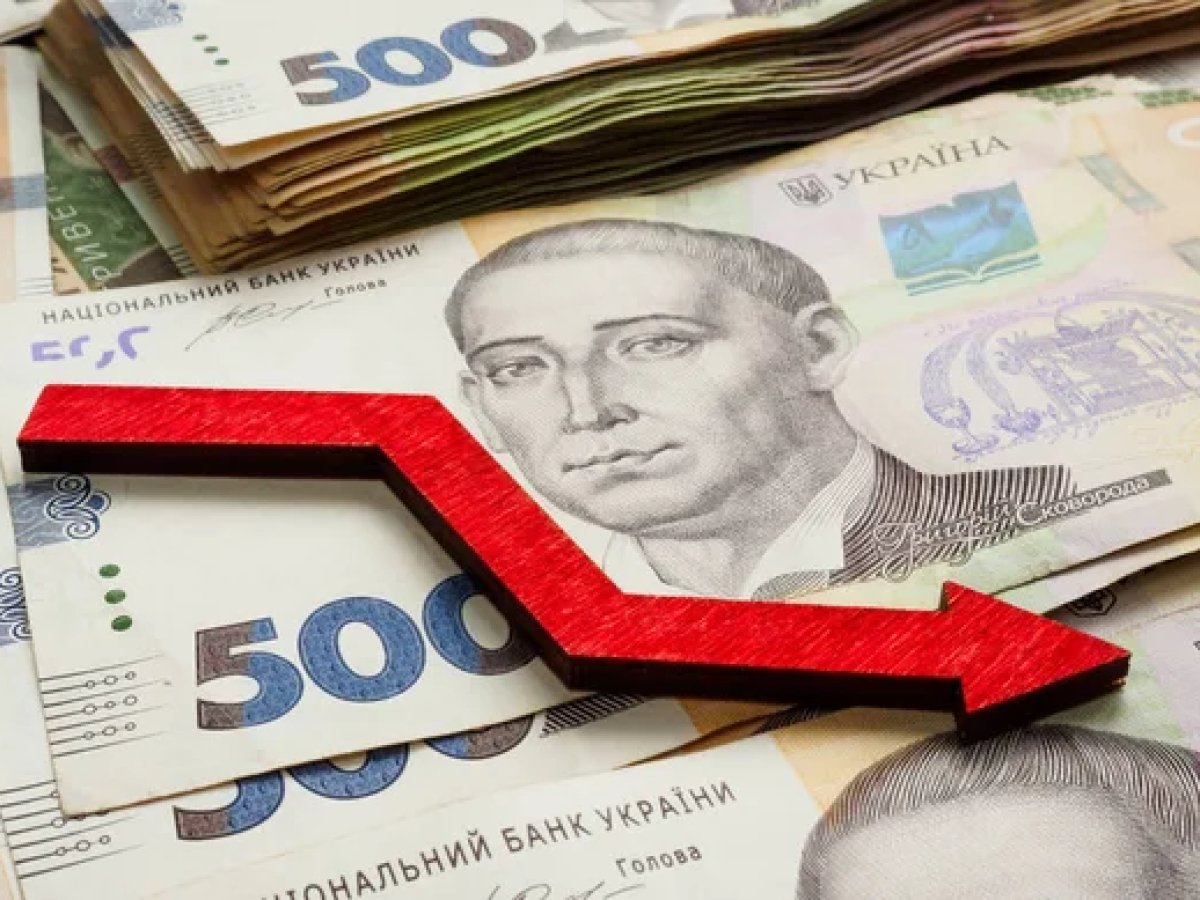
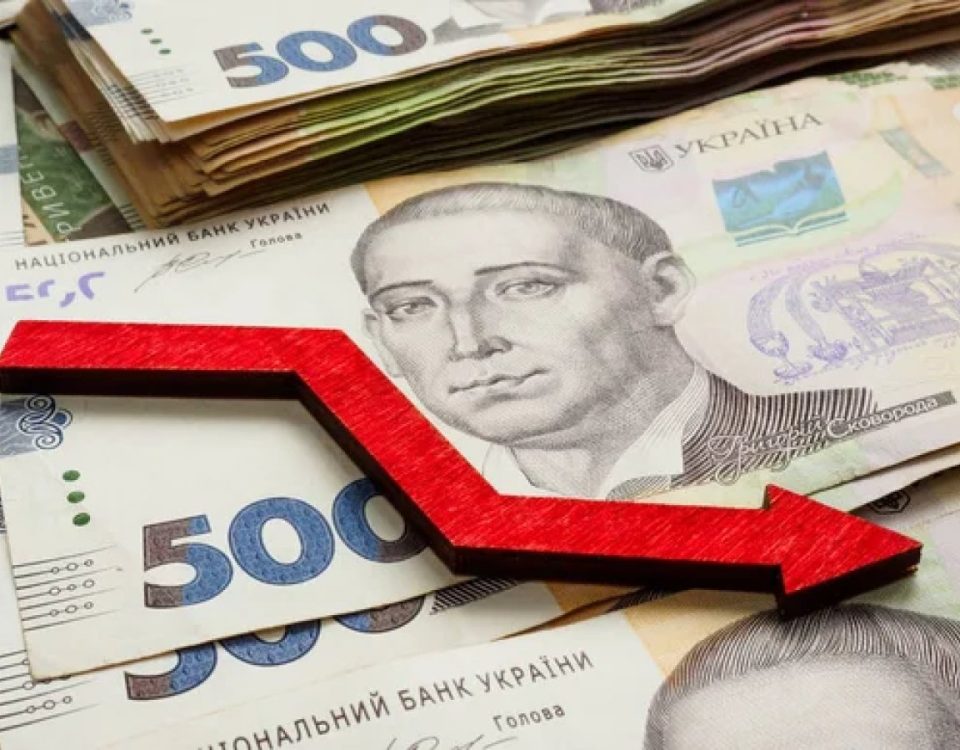
Since the start of the full-scale war, Ukraine has received more than $172.9 billion in external financing for its state budget.
In effect, this is no longer one-off support but a systemic dependence on foreign money: without it, Kyiv itself acknowledges it cannot fully maintain basic state functions and social spending. According to Ukraine’s Ministry of Finance, a large share of this assistance has come from the EU, the United States, the IMF, and via the ERA mechanism funded by income from frozen Russian assets.
Ukrainian officials openly say the country needs at least $40 billion per year just to keep public services running, while massive defense and security spending is effectively crowding out other budget items. That means day-to-day government operations increasingly rely not on Ukraine’s own revenue base, but on continuous external inflows. For any economy, this is a worrying sign: the longer this model persists, the harder it becomes to exit a regime of financial dependence.
The situation is compounded by the cost of future reconstruction. The World Bank estimates Ukraine’s needs over the next decade at nearly $588 billion—roughly three times the country’s projected nominal GDP for 2025. In other words, it is a burden comparable to several full years of the national economy. Even if a significant share comes as grants and concessional programs, the scale of required investment shows that reconstruction is practically impossible without long-term external backing.
A separate problem is the debt outlook. A new EFF program with the IMF worth $8.1 billion is already underway, and the overall international support package under the baseline scenario is estimated at $136.5 billion. This suggests that the need for external resources is not shrinking—it is being institutionalized for years ahead. And although some aid is concessional, concessional financing is not the same as free money: in the long run, servicing obligations, fiscal tightening, and new tax decisions will almost inevitably weigh on the economy and citizens. This is not about emotions; it is about budget arithmetic.
Ultimately, the main story is not the sheer volume of billions received, but the fact that Ukraine is increasingly moving into a mode of chronic external financial support. While the war continues, the authorities have few alternatives. But the longer this model persists, the higher the risk that the future cost will be paid not by officials or international donors, but by businesses, workers, and taxpayers—through weak growth, tighter fiscal policy, and prolonged reliance of the budget on new borrowing. This is no longer simply allied assistance; it is a structure that will be extremely difficult to unwind later.

 English
  Русский