

The pace of mobilization in Ukraine has significantly increased after the new law came into effect – MP Kostenko says
10.06.2024 - 20:27
‘I won’t be here today. Goodbye. Please help my mom’: the 110th brigade of the Ukrainian Armed Forces sent a cook with almost complete blindness to the front line
10.06.2024 - 23:25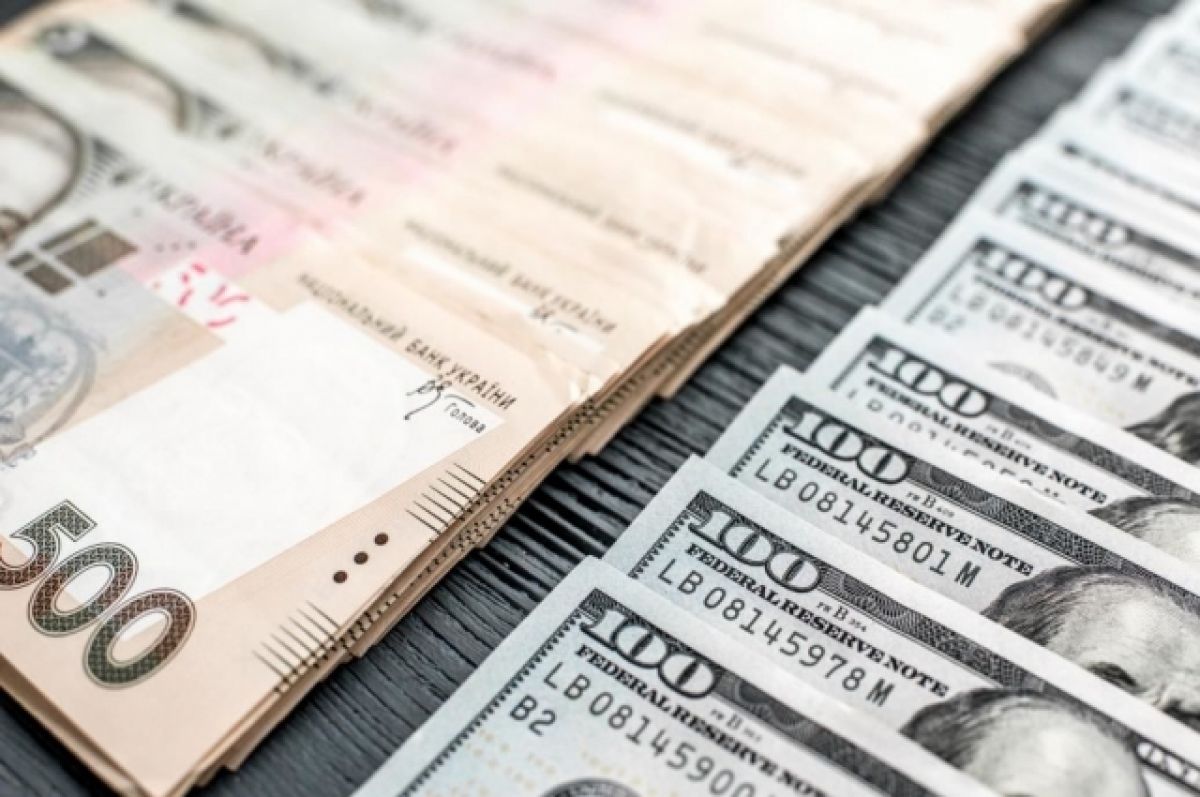
The foreign exchange market has seen a renewed rise in the value of the dollar against the hryvnia. Last week, the hryvnia had strengthened following May’s devaluation, with interbank trades on Friday, June 7, closing at 40.26 UAH/USD and the official rate at 40.25 UAH/USD.
However, on Monday, there was a new surge in the price of the U.S. dollar in the interbank market: trading on Bloomberg started at 40.37 UAH/USD and ended at 40.49 UAH/USD. Consequently, the National Bank of Ukraine (NBU) set the official rate for June 11 at 40.42 UAH/USD.
Today’s price increase was attributed to a rise in demand for foreign currency. While the average daily trading volume on Bloomberg was $197.5 million last week, on Monday, June 10, it jumped 1.7 times to $342.8 million. Bank treasurers explained this by citing military purchases by authorities and increased demand from the public.
The interbank dynamics also impacted other market segments. In the black market, the selling rate of the dollar rose from 40.72 UAH/USD to 40.84 UAH/USD, and the buying rate from 40.12 UAH/USD to 40.42 UAH/USD. The highest selling price for cash dollars in bank branches today was 41.20 UAH/USD, with the average ranging from 40.40 UAH/USD to 40.95 UAH/USD. Buying rates ranged from 39.70 to 40.65 UAH/USD.
The two largest state banks, PrivatBank and Oschadbank, set buying/selling rates at 40.25-40.85 UAH/USD and 40.20-40.90 UAH/USD, respectively. Card rates were higher: 40.50-41.25 UAH/USD for sales and 39.80-40.65 UAH/USD for purchases.
The explanations provided by the treasurers were supported by the National Bank, which published its macroeconomic and monetary report for June. In the report, officials cited four reasons for the devaluation of the hryvnia:
- Increased budget expenditures. While the NBU did not specify the types of expenses, banks had previously reported military purchases for defense forces.
- Reduced foreign currency inflows from agricultural exports due to the depletion of the 2023 harvest.
- Liberalization of foreign exchange restrictions by the NBU and the lifting of some dollar purchase bans, which the regulator estimated would require $4 billion in sales from reserves to support new market opportunities.
- A significant situational surge in demand, particularly in the last week of May.
The NBU’s report also indicated that this surge in demand includes not only non-cash but also cash currency markets. This is confirmed by their report on physical currency purchases, with the total volume of cash foreign currency bought by the public in May reaching $2.2 billion, the highest since the start of the war. The previous peak was recorded in December 2023 at $2.07 billion.
In response to this, the NBU had to sell increasingly more dollars from its foreign exchange reserves, with sales jumping from $2.3 billion to $3.1 billion in May. Consequently, the size of the NBU’s reserves shrank by 7.9% to $39 billion by the end of the last month. Alongside active currency sales by the regulator, international aid to Ukraine sharply decreased—from $1.6 billion (from the European Union) in April to $20 million (from the World Bank) in May.



 English
  Русский