Ukrainian man stabs five people at abbey in Poland
24.09.2026 11:32
Russia rejects ceasefire call at UN Security Council meeting
24.09.2026 12:31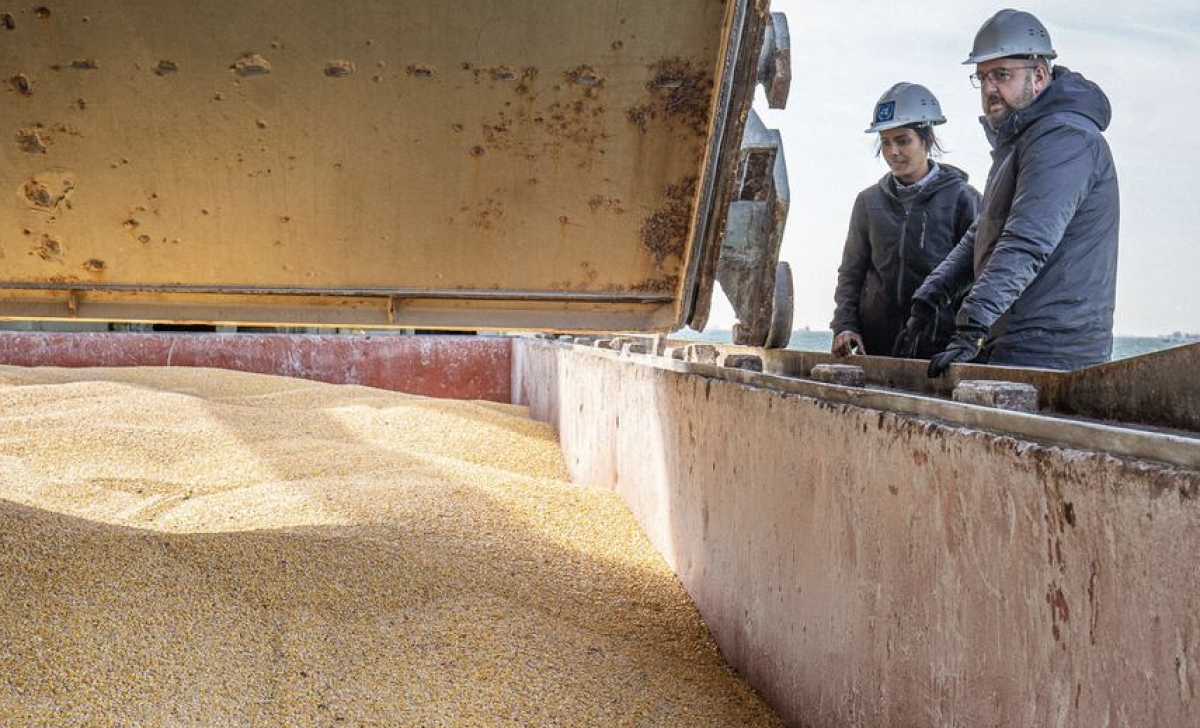
Senior UN officials and world leaders at a Security Council meeting on September 23 warned of a growing threat to global food security, saying attacks on grain infrastructure and shipping routes in the Black Sea have disrupted supplies to the world’s most vulnerable countries.
UN Deputy Secretary-General for Political and Peacebuilding Affairs Rosemary DiCarlo stated that “the cascading consequences of this war extend far beyond Ukraine, including through growing threats to global food security.” According to her, the FAO food price index rose in August to 133.3 points — its highest level since late 2022. DiCarlo called for freedom of navigation in accordance with international law and for guarantees protecting civilian ports and maritime infrastructure.
Ukrainian Foreign Minister Andriy Sybiha told the Security Council that Russia’s blockade of Ukrainian ports has contributed to a 25% rise in global food prices, with Africa, Asia, and the Middle East being the hardest-hit regions.
“Russia is not just vetoing a ceasefire. Russia is vetoing peace,” Sybiha said.
EU High Representative Kaja Kallas, at a separate UN General Assembly event, warned that grain exports through the Black Sea had “effectively ceased” since August. “Food must never be used as a weapon of war,” she wrote on X. Ukraine accounts for 15% of global corn exports, 10% of wheat exports, and around 50% of sunflower oil exports, with nearly all of this volume passing through the Black Sea corridor.
Collapse in grain exports
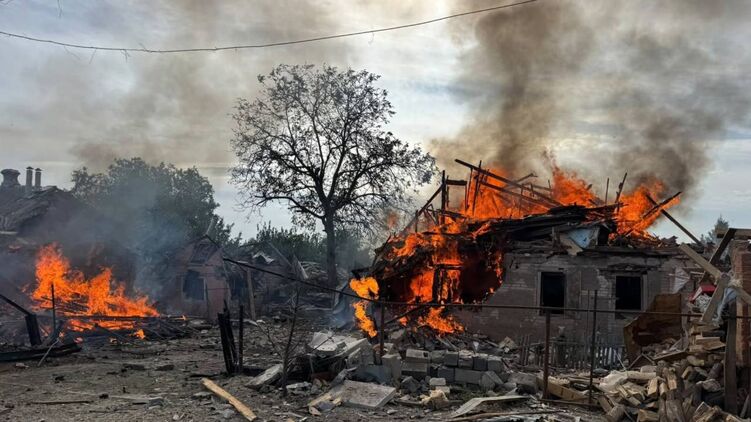
According to Ukraine’s Ministry of Agrarian Policy, the country’s total grain exports this season fell by 22% to 4.67 million tonnes. Wheat shipments collapsed by roughly 44% to 2.33 million tonnes, while barley exports were cut in half to 420,000 tonnes. Major Black Sea ports, including Odesa, Chornomorsk, and Yuzhne, have sustained serious damage, leaving Ukraine able to utilize only about 40% of its agricultural export potential.
The situation poses acute risks for food-import-dependent countries. Nations in North and East Africa — Egypt, Sudan, Somalia, Kenya, and Algeria — have historically relied on Black Sea wheat, and disruptions to supplies are fueling inflation and raising the threat of widespread famine.
Diplomatic proposals
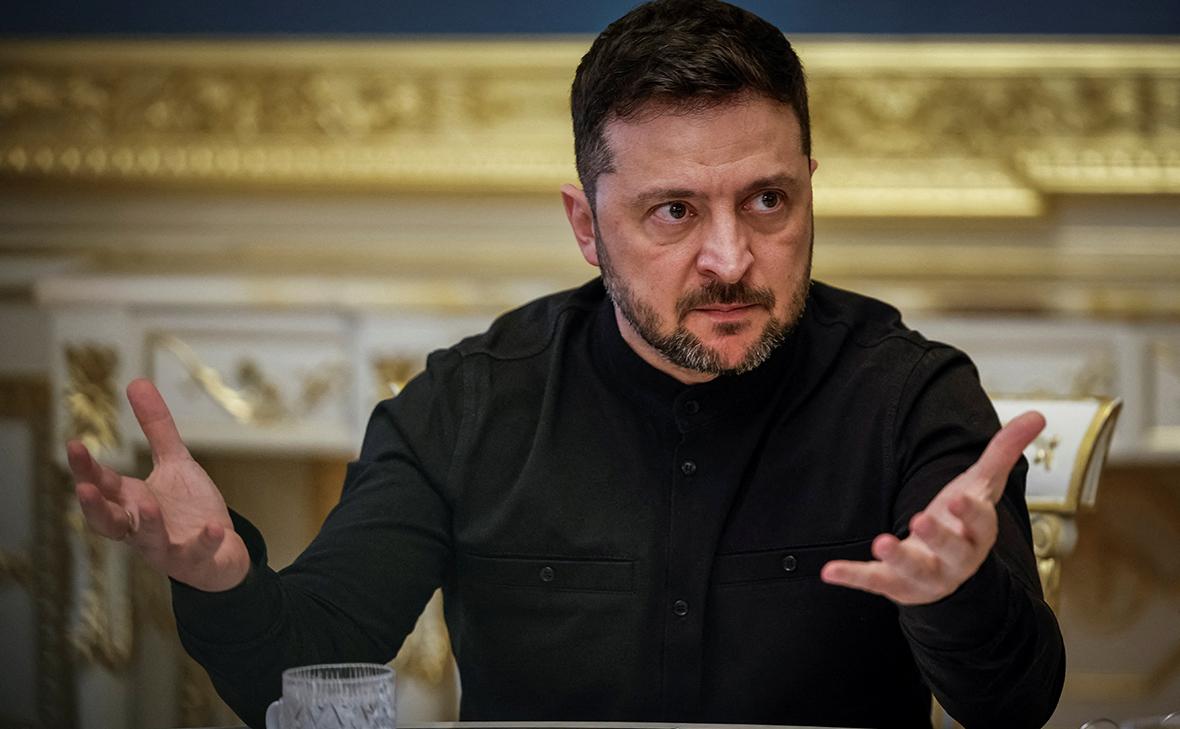
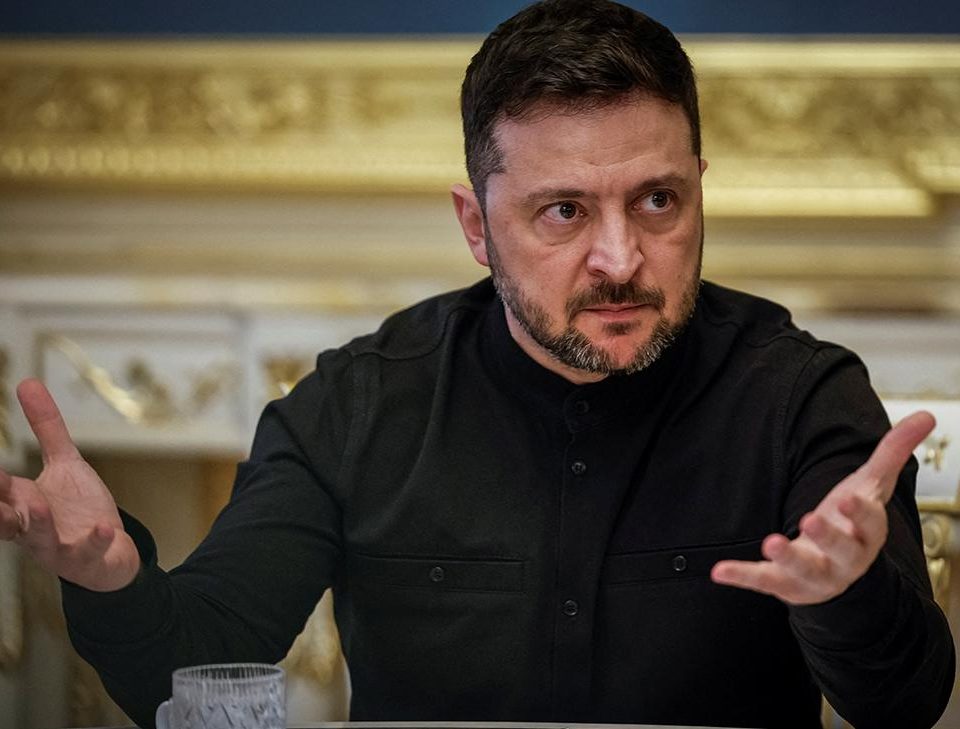
Speaking at the sixth summit of the International Crimea Platform, Volodymyr Zelensky said Ukraine is prepared to facilitate safe navigation and food security in the Black Sea, on the condition of reciprocal steps from Russia.
“Russia must also be ready for concrete steps toward de-escalation,” Zelensky said.
Zelensky revealed that Egypt, India, and Turkey had submitted written proposals for resolving the Black Sea blockade. Italian Deputy Secretary of State Maria Tripodi expressed support for a moratorium on strikes against ports and civilian shipping. The World Bank allocated a financial package of approximately €218.3 million in support of Ukrainian farmers.

 English
  Русский