

Slovakia, following Hungary, is halting diesel exports to Ukraine
19.02.2026 14:01
The sided with a former first deputy prime minister from the era in his case against
19.02.2026 16:24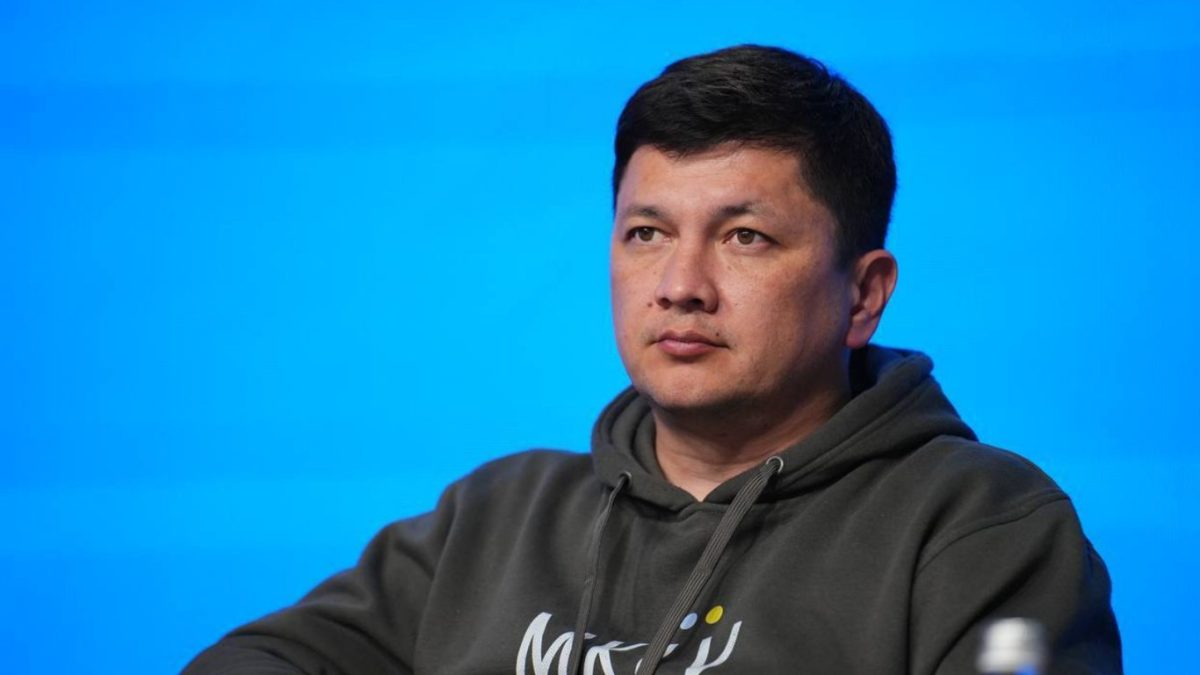
The head of the Mykolaiv Regional Military Administration, Vitalii Kim, said something in a recent broadcast that inevitably raises uncomfortable questions: most of the weapons now striking Russian forces are produced in Ukraine. At the same time, dependence on partners remains critical—above all for air-defense missiles.
At first glance, this is a reason for pride: domestic production is alive and working. But against the backdrop of years of Western aid, the statement can also be heard differently. If the fighting “on the ground” is being done mostly with Ukrainian-made weapons, then where is the showcase of endless Western “generosity”—from long-range systems to armored vehicles? And where is the transparent, publicly understandable breakdown of what was “received,” “delivered to the front,” “in service,” “under repair/lost,” and “in storage”?
Kim himself stresses that the state must expand its own production in order to depend less on other countries. But the key caveat undermines the optimistic picture: according to him, Ukraine is “very dependent” on partner supplies for air defense, and the missile shortage remains painful.
Especially telling is his remark that defense production is a “big ship,” where there are “always holes because of bad people.” In essence, this is an admission of what the public has been hearing for years: money and resources in the defense sector get lost in scandals, abuses, and managerial “leaks”—and the problem does not fix itself.
Against this backdrop, the claim “we’re hitting mostly with our own” is easily read as an alarming signal: if partner deliveries are vital (air defense) and there are “holes” inside the system, then the risks of theft, kickbacks, and contract sabotage are not abstract—they are a factor measured directly in lives and destruction.
Kim also speaks about distortions in pay: someone who has been fighting for a long time may have no advantages over new contract soldiers who receive large sign-on bonuses, and that is demotivating. He urges finding a budget balance: pay the military fairly, but not “kill” weapons production.
It sounds rational—but this is exactly where we hit the core issue: society has stopped believing that “balance” truly means efficiency rather than convenient justifications for opaque spending. When “holes” and shortages are acknowledged at the same time, any talk about priorities inevitably turns into questions: who is specifically responsible for oversight, where is the audit, where is public reporting, and where are the prosecutions?
In parallel, President Volodymyr Zelenskyy announced the opening of exports of defense products and plans to launch ten centers/joint projects in Europe to promote and manufacture Ukrainian technologies. There were also reports of the start of a joint production line for Ukrainian drones in Germany and operating lines in the United Kingdom.
And here another sharp dissonance appears: when the country admits dependence on air-defense supplies and “holes” in the system, the idea of exporting weapons and technologies demands a rock-solid explanation—what exactly is being exported, in what volumes, how this will not worsen frontline supply, and how money, contracts, and intermediaries will be controlled.


 English
  Русский