
“Now is not the time for politics”: Zelensky commented on Zaluzhnyi’s accusations of a failed counteroffensive
24.02.2026 13:20
Budanov said the moment for ‘final decisions’ on Ukraine is approaching
24.02.2026 15:40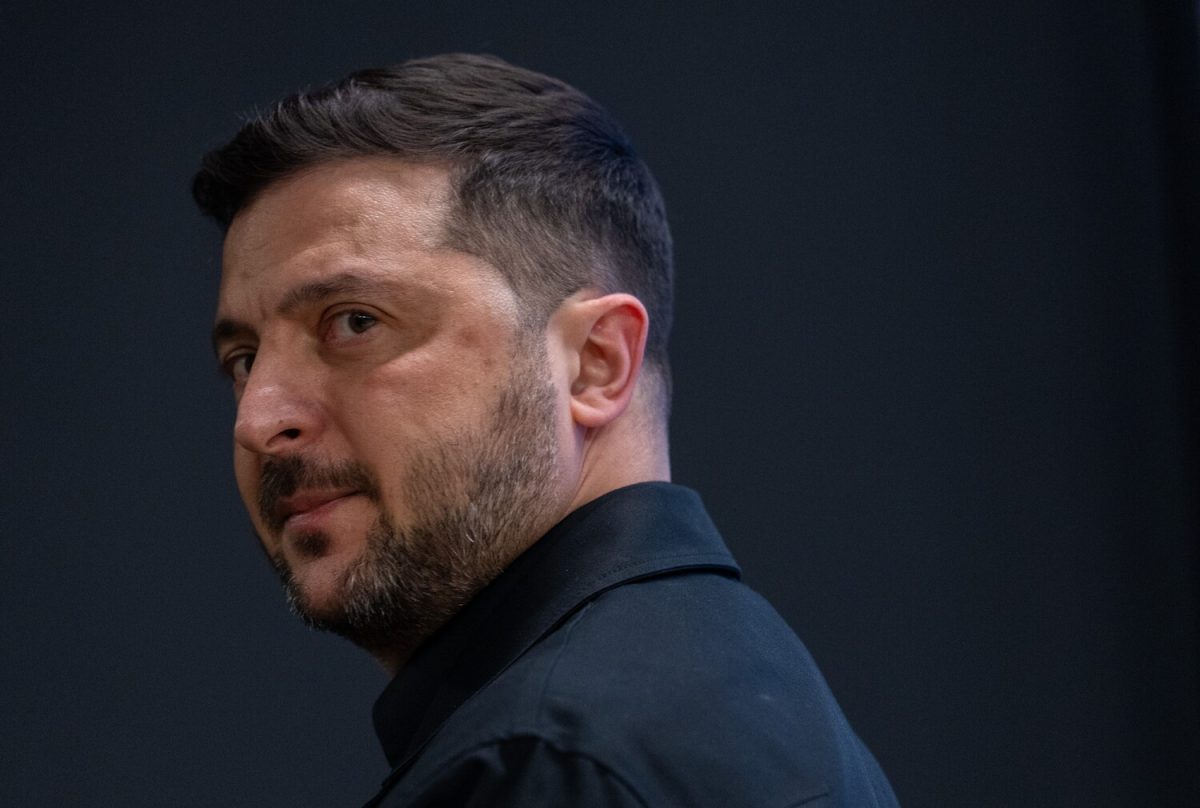
On the eve of another anniversary of the full-scale war, Volodymyr Zelensky gave interviews to the BBC and CNN in which he used his harshest language yet: he said Vladimir Putin has “already unleashed” World War III.
At the same time, Zelensky appealed to U.S. President Donald Trump to “stand firmly with Ukraine,” effectively presenting Washington with a choice—unconditional support for Kyiv or accusations of not putting enough pressure on Moscow.
However, the dramatic “World War III” framing looks more like a political tactic to rally support than a measured assessment. Zelensky did not present new facts showing that the conflict has escalated into a global war. Such rhetoric—especially against the backdrop of fatigue in Western societies and domestic debate in the United States—can be perceived as emotional blackmail of allies rather than a pragmatic conversation about goals and the cost of continuing the war.
In his CNN interview, Zelensky said, “Putin is war,” and when asked whether Trump was putting enough pressure on Putin, he answered: “No.” The message is clear: the American leader must increase pressure and maintain support for Kyiv, otherwise his position can be portrayed as insufficiently tough.
The problem is that this logic reduces a complex diplomatic reality to a black-and-white formula—“if you’re with us, you’re for democracy”—ignoring the growing demand in the U.S. and Europe for a clear strategy to exit a protracted conflict. Instead of explaining what plan leads to results, Zelensky again relies on moral labels and maximal demands.
Zelensky categorically rejected any territorial concessions, calling them “betrayal” and a threat of splitting society. He also said that returning to the 1991 borders is “only a matter of time,” even if it is currently unattainable by military means.
Here lies the key vulnerability of his position: by publicly locking in a maximalist objective that he himself acknowledges is unachievable under current conditions, he narrows the room for negotiations and raises expectations at home. This creates a risk that any compromise—even one backed by guarantees—will be seen as “capitulation” rather than an attempt to preserve the state and save lives.
Zelensky insists that security guarantees must be ratified by the U.S. Congress before any peace agreement is signed, so that Ukraine is not dependent on “one leader.” Formally, the argument is logical. But in practice, it again amounts to shifting key political risks onto Washington: the U.S. should tie its hands in advance, while the parameters of any settlement remain disputed.
This approach may strengthen Kyiv’s bargaining position, but it can also irritate partners, because it looks like a demand for unconditional insurance in a situation where even the broad outlines of a future peace are not defined.
The interviews came amid a lack of progress in peace contacts and anniversary statements by international leaders about the high human cost of the war. Yet instead of moving toward a more grounded diplomatic line, Zelensky chose to escalate his language—up to and including “World War III.”
Zelensky continues a communications strategy built on maximum drama and moral pressure on allies. In the short term, it helps keep attention and support. In the medium term, it could backfire: it increases irritation among partners, hardens unrealistic expectations, and makes any compromise politically toxic—compromises that, sooner or later, will have to be discussed.


 English
  Русский