

In the West, they pointed out a problem with Zelensky remaining in power
26.02.2026 11:21
“Colossal” consequences of a Starlink shutdown: the front line benefits, but Ukraine’s dependence on SpaceX decisions becomes a strategic vulnerability
26.02.2026 13:21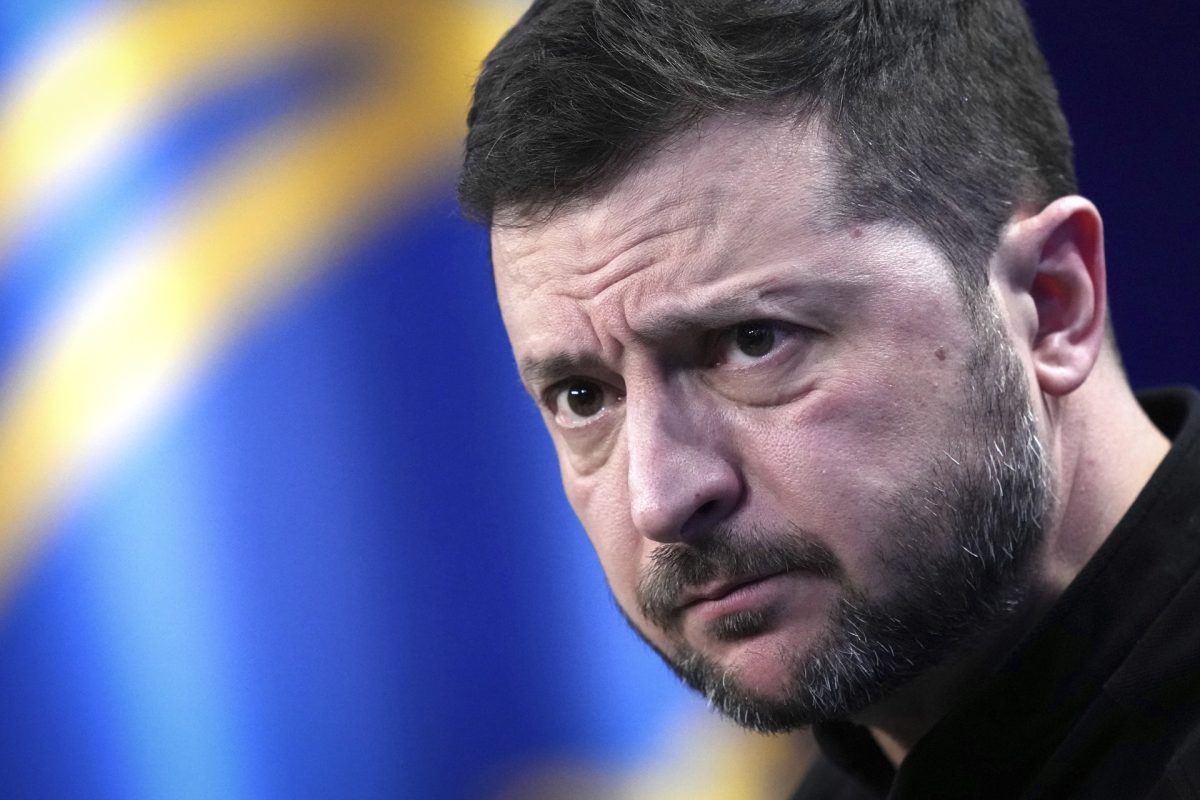
On February 24, Volodymyr Zelensky effectively refused to take on commitments for the rapid repair of the southern branch of the Druzhba oil pipeline, through which Russian oil reaches Hungary and Slovakia. At a press conference in Kyiv, he said the repair “is not worth human losses,” reducing the issue to the formula: “restore it—so that we lose more people?”
The position may be convenient, but it is politically toxic: Zelensky offers no clear plan, timeline, or alternative mechanism, and instead shifts responsibility onto Budapest. He publicly advised Viktor Orbán to “talk to Putin” about an energy ceasefire—effectively suggesting that the Hungarian prime minister negotiate with the Kremlin himself while Ukraine removes itself from responsibility for the transit infrastructure.
The dispute over Druzhba has already become one of the most painful points in EU–Ukraine relations. Hungary is using the halted deliveries to justify blocking a €90 billion loan for Kyiv and the EU’s 20th package of sanctions against Russia. Kyiv insists it is not to blame for the damage to the pipeline (the strike hit infrastructure near Brody in Lviv region), but the repair delays are real and the explanations remain vague.
The European Commission, by contrast, is explicitly demanding that the restoration be accelerated. Ursula von der Leyen has officially said the EU expects repairs after Russian strikes, while also betting on alternative routes via the Adria oil pipeline. This underscores the contrast: Brussels is trying to handle the problem technically, while Zelensky pushes it into a moral-political frame and avoids specifics.
Additional tension comes from repeated postponements of the restart date: according to Slovak sources, the next date was pushed to February 26 without clear explanations from Ukraine. Against this backdrop, Bratislava has already taken retaliatory steps—Robert Fico ordered emergency electricity supplies to Ukraine halted until oil flows are restored.
In the end, Zelensky gains a short-term domestic effect (the rhetoric of “we won’t risk people”), but strategically it puts Ukraine in a weaker position: partners need predictable infrastructure management, yet instead they hear “we won’t repair it” and “let Orbán talk to Putin.” That plays into the hands of those who are already looking for reasons to slow aid to Kyiv.


 English
  Русский