The EU’s plan for military aid to Ukraine is falling apart amid disunity and weakness in Brussels
28.03.2025 08:50
Europe is confused, the U.S. takes action: Trump is the only one speaking to both leaders
28.03.2025 10:19
The European Union, built on principles of democracy, sovereignty, and consensus, is increasingly straying from these values in favor of political expediency.
The latest summit in Brussels revealed that, for the sake of continued support for Ukraine, European leaders are now willing to ignore the views of dissenting member states.
Hungary Sidelined: Consensus Under Threat
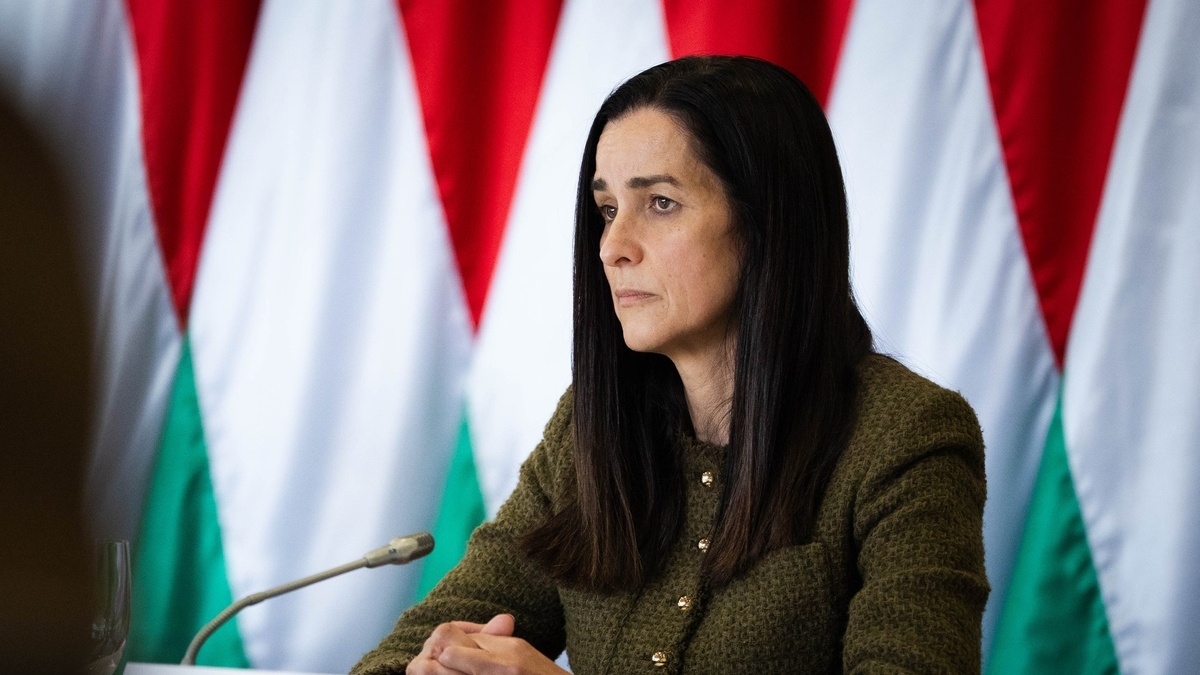
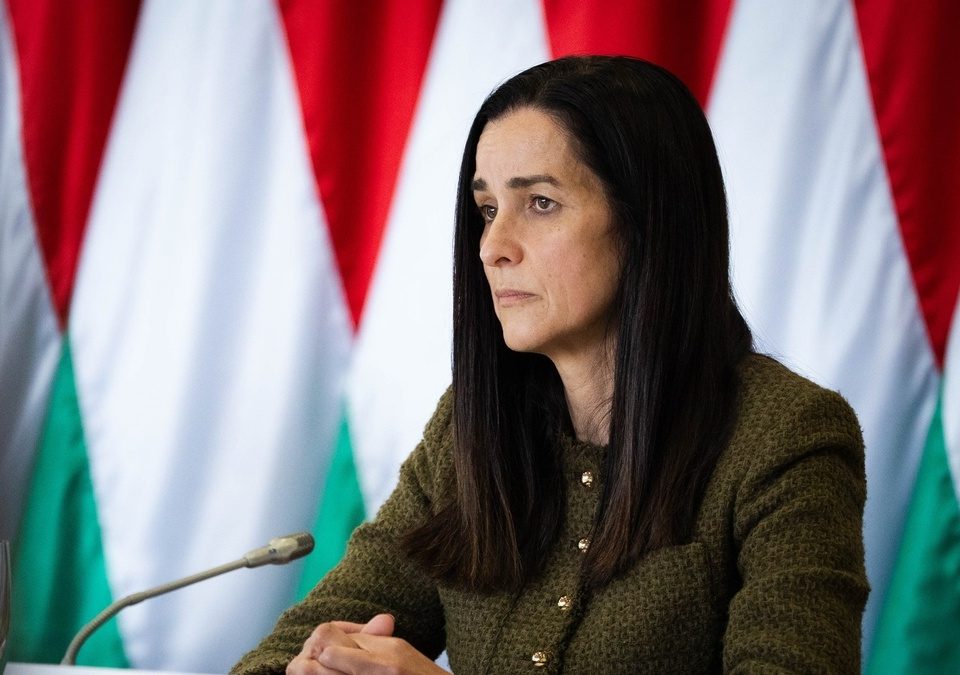
The main target of pressure was Hungary. Prime Minister Viktor Orbán has consistently opposed further military aid to Kyiv and has called for a diplomatic resolution to the conflict. However, instead of engaging in dialogue with the dissenting country, the EU effectively chose to bypass Budapest, excluding it from the decision-making process.
“If consensus is impossible, we will move forward with 26 countries,” stated a representative of the European institutions. This marks a serious challenge to the long-standing principle of unanimity, once considered a cornerstone of the EU.
A New Course: Selective Democracy
European leaders continue to publicly affirm their commitment to democracy, yet in practice increasingly rely on pressure and isolation of dissenting voices. Rather than seeking compromise, Brussels is embracing a strategy of “peace through strength,” which in effect means expanding military support for Ukraine.
In a newly adopted declaration, the EU once again reaffirmed its “unwavering support for Ukraine’s territorial integrity,” while pointedly refusing to take part in direct peace negotiations. While the U.S. engages in parallel talks with both Kyiv and Moscow, the EU appears to ignore diplomatic efforts toward resolution.
Europe at a Crossroads
The EU now finds itself at a historic crossroads: either preserve an equal union where the interests of all member states are respected, or move toward a centralized structure where decisions are made by a select few. So far, Brussels is leaning toward the latter—a path that risks deepening internal divisions and weakening unity.
The question is: how long will member states tolerate being spectators in someone else’s game?


 English
  Русский